Positive and negative electrode materials are critical components in the production of lithium-ion batteries, and the efficient handling of these powders is essential for maintaining product quality and production efficiency. Powder conveying equipment specifically designed for these materials plays a vital role in the battery manufacturing process. This article explores the functions and design principles of such equipment, providing insights into how they contribute to the overall production workflow.
The Role of Powder Conveying Equipment in Battery Manufacturing
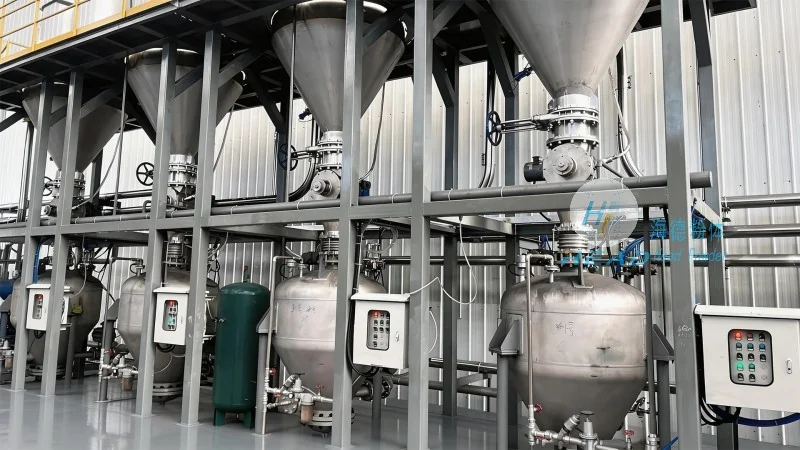
In the battery production line, the handling of positive and negative electrode powders involves several steps, including mixing, drying, and conveying. Conventional methods may lead to issues such as dust contamination, material loss, and inconsistent particle distribution, which can negatively impact the final battery performance. Specialized powder conveying equipment addresses these challenges by providing a controlled environment for material transport. These systems are engineered to minimize particle degradation, ensure uniform material flow, and maintain the integrity of the electrode powders throughout the process.
Key Design Principles of Conveying Equipment for Electrode Materials
The design of positive and negative electrode material powder conveying equipment is guided by several key principles to ensure optimal performance. First, the equipment must be constructed from materials that are compatible with the chemical properties of the electrode powders, typically avoiding materials that could cause contamination or reaction. Stainless steel and food-grade plastics are common choices due to their corrosion resistance and inertness. Second, the system is designed to operate under controlled conditions, such as low temperature and low humidity, to prevent moisture absorption or oxidation of the powders. This is crucial for maintaining the chemical stability of the materials, which directly affects battery performance.
Components and Operational Mechanisms
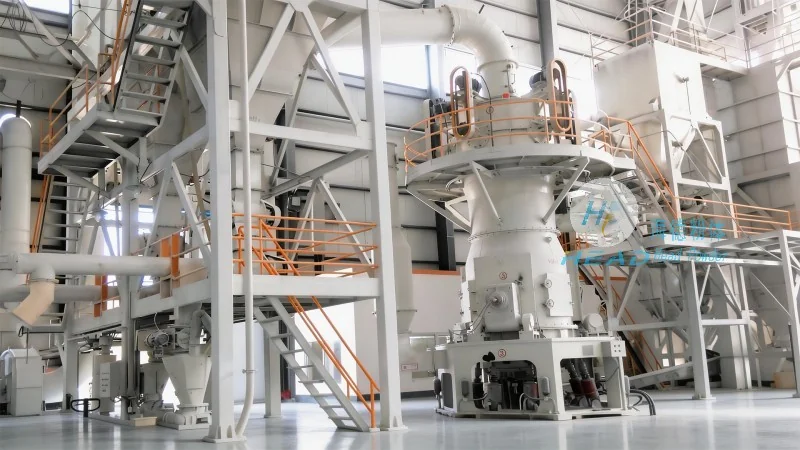
Conveying equipment for electrode materials typically consists of several key components, including hoppers, feeders, conveyors, and control systems. The hopper is used to store the electrode powder, ensuring a consistent feed to the system. The feeder, often a screw or rotary type, regulates the flow rate of the powder into the conveyor. The conveyor itself may be a pneumatic or mechanical system, depending on the specific requirements. Pneumatic conveying systems use air to transport the powder, while mechanical systems rely on screws or belts to move the material. Both types are designed to handle fine powders without causing agglomeration or damage.
Ensuring Material Integrity and Safety
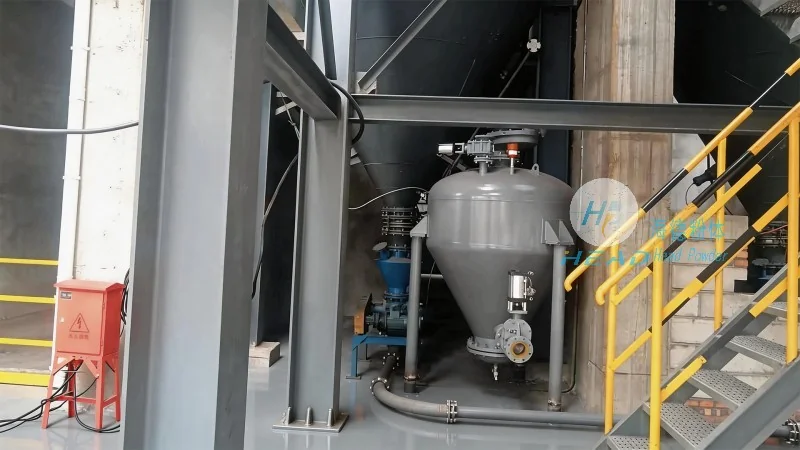
During the conveying process, maintaining the integrity of the electrode powders is paramount. The equipment is designed with features such as low shear and gentle handling to prevent particle breakdown or agglomeration. Additionally, the system includes dust collection and filtration components to ensure a clean working environment and comply with safety regulations. The control systems are equipped with sensors to monitor flow rates, pressure, and temperature, providing real-time feedback to adjust the operation as needed. This helps to prevent overloading or underflow, which could lead to production bottlenecks or material waste.
Application in Battery Production Lines
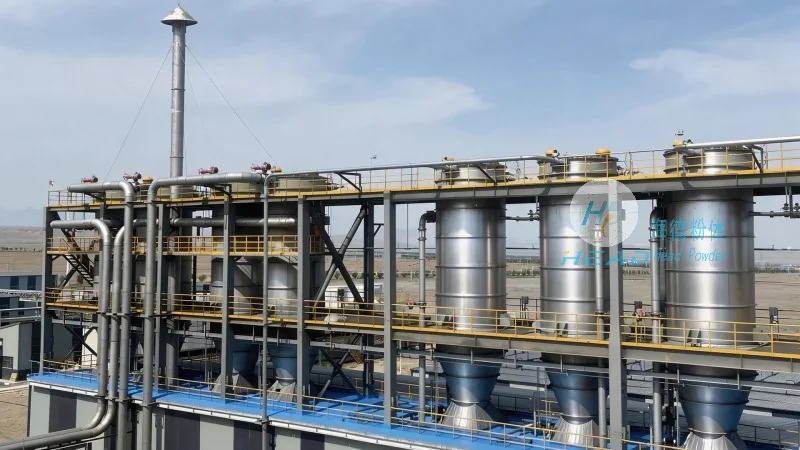
These powder conveying systems are integrated into the broader battery manufacturing process, working in conjunction with other equipment such as mixers, dryers, and coating machines. The smooth transfer of electrode powders from one stage to the next is critical for maintaining production throughput and product consistency. By minimizing downtime and ensuring consistent material quality, the conveying equipment contributes to higher overall efficiency in the battery production line.
About Shandong HeadPowder Engineering Co., Ltd.
Shandong HeadPowder Engineering Co., Ltd., operating under the brand name headpowder, specializes in the design and manufacturing of advanced powder handling equipment for various industries, including battery manufacturing. With a focus on innovation and quality, the company provides customized solutions tailored to the specific needs of clients. HeadPowder's equipment is engineered to meet the stringent requirements of modern battery production, ensuring reliability, efficiency, and safety. The company's headquarters is located in Shandong, China, where it leverages local expertise and resources to deliver high-performance solutions to the global market.




