Embolic powder conveying lines, also known as pulse-type or embolism-style powder conveying systems, are specialized equipment designed for the efficient and reliable transport of bulk powders in industrial applications. These systems are particularly useful in sectors such as pharmaceuticals, food processing, chemical manufacturing, and other industries where precise control over powder flow and handling is critical. Understanding the functionality and design principles of such systems is essential for optimizing production processes and ensuring product quality.
Introduction to Embolism-Type Powder Conveying Lines
Embolic powder conveying lines represent a sophisticated approach to handling powders, leveraging the principle of intermittent or pulse-like pressure changes to move material through a pipeline. Unlike continuous conveying methods, these systems use a series of controlled pressure pulses to create a "slug" or "embolism" of powder that travels through the system. This method offers advantages in terms of reduced product degradation, lower energy consumption, and enhanced control over the conveying process. The design of these lines is tailored to meet the specific requirements of different powder types and operational conditions, making them versatile solutions for various industrial needs.
Key Components of an Embolism-Type Powder Conveying System
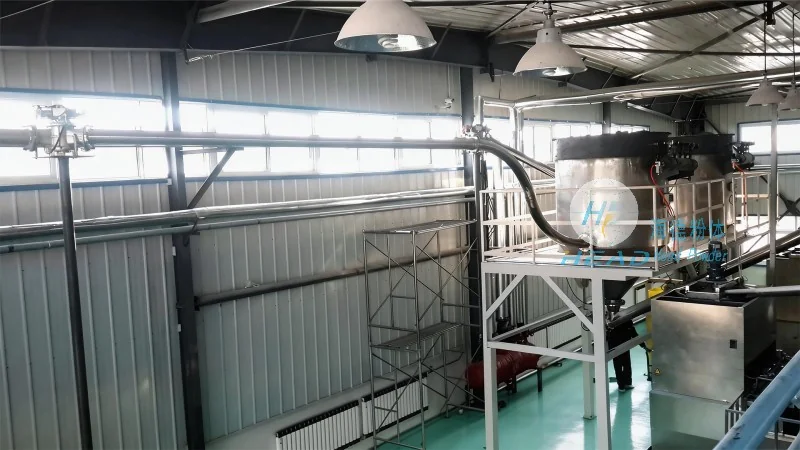
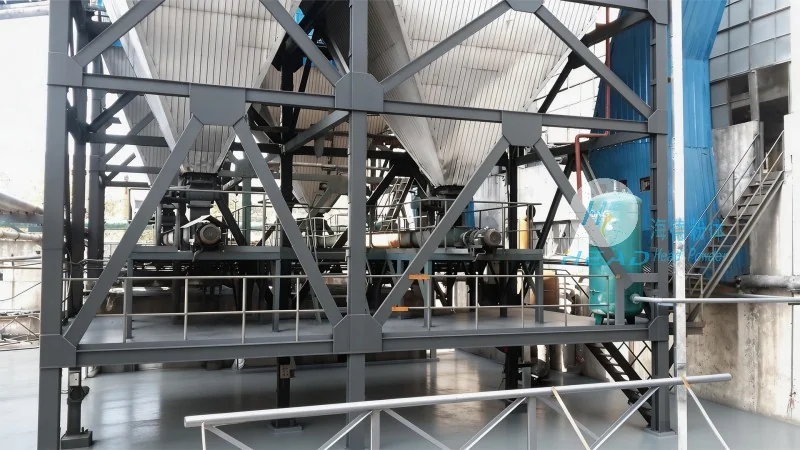
The core components of an embolism-type powder conveying line typically include a hopper for material storage, a feeder to control the flow rate, a pulse generator or compressor to create the pressure pulses, a pipeline system for material transport, and a receiver or discharge unit. Each component plays a crucial role in the overall operation of the system. The hopper ensures a consistent supply of powder, while the feeder regulates the amount of material introduced into the pipeline. The pulse generator, often driven by a compressor or air source, creates the necessary pressure variations to initiate and maintain the conveying process. The pipeline, usually made of materials like stainless steel or PTFE to prevent material adhesion and contamination, transports the powder slugs from the feeder to the discharge point. Finally, the receiver collects the conveyed powder, completing the cycle.
Design Principles and Operational Mechanism
The design principles of an embolism-type powder conveying line revolve around the creation and management of pressure pulses. The system operates by first creating a low-pressure condition in the pipeline, which allows air to be drawn into the hopper and feeder. Then, a high-pressure pulse is generated, pushing the powder slug forward. This cycle repeats at a controlled frequency, determined by the system's design and the specific powder characteristics. The key design considerations include the pressure differential, pulse frequency, and pipeline diameter, all of which are optimized to achieve efficient conveying without causing excessive wear or product degradation. For example, the pressure differential must be sufficient to overcome the resistance of the pipeline and the powder's friction, while the pulse frequency must be low enough to prevent excessive vibration and high enough to maintain a steady flow. The pipeline diameter is also critical, as it affects the velocity of the powder slugs and the overall conveying efficiency.
Advantages of Embolism-Type Powder Conveying Lines
Compared to traditional continuous conveying methods, embolism-type powder conveying lines offer several advantages. First, they minimize product degradation by reducing the time the powder spends in the system and minimizing mechanical stress. The intermittent nature of the conveying process prevents the formation of excessive heat or friction, which can affect the quality of heat-sensitive or delicate powders. Second, these systems are energy-efficient, as they only consume energy during the pulse cycles rather than continuously. This leads to lower operational costs and reduced environmental impact. Third, they provide precise control over the conveying rate, allowing for accurate dosing and batching. This is particularly important in applications where exact amounts of powder are required, such as in pharmaceutical manufacturing or food processing. Additionally, the system's design allows for easy integration with other equipment, such as mixers or reactors, enabling seamless production workflows.
Applications and Industries
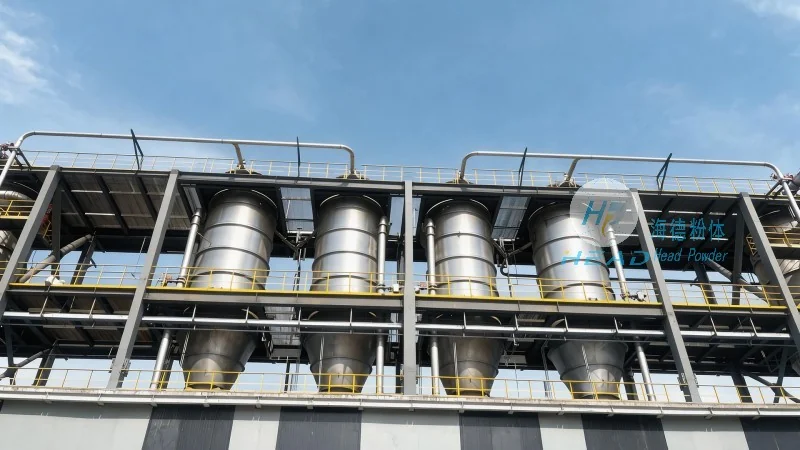
Embolic powder conveying lines are widely used in various industries due to their versatility and effectiveness. In the pharmaceutical industry, they are used to transport active pharmaceutical ingredients (APIs) and excipients, ensuring that the powders are handled gently and without contamination. In food processing, they are employed to convey ingredients like flour, sugar, and spices, maintaining the quality and freshness of the products. The chemical manufacturing sector utilizes these systems for transporting raw materials and intermediates, particularly in processes involving sensitive or reactive powders. Other applications include the handling of powders in the cosmetics industry, where product purity and consistency are paramount. The adaptability of embolism-type powder conveying lines makes them suitable for a wide range of industrial applications, from small-scale laboratory operations to large-scale production facilities.
Conclusion and Company Overview
Embolic powder conveying lines are advanced solutions for the efficient and reliable transport of bulk powders, offering significant advantages in terms of product quality, energy efficiency, and operational control. The design principles and components of these systems are carefully engineered to meet the specific needs of different industries and powder types. As a leading provider in this field, Shandong HeadPowder Engineering Co., Ltd. specializes in the design, manufacturing, and supply of such systems, leveraging years of experience and expertise to deliver high-quality solutions to its clients. With a focus on innovation and customer satisfaction, the company continues to develop and improve its products to meet the evolving demands of the industrial market. Based in Shandong, China, HeadPowder is committed to providing reliable and effective powder conveying solutions that enhance productivity and ensure product integrity across various sectors.




