When it comes to the transportation of magnesium sulfate, selecting the right method is crucial for ensuring efficiency, safety, and compliance with industry standards. Magnesium sulfate, also known as Epsom salt, is widely used in various industries including agriculture, pharmaceuticals, and water treatment. The choice of transport method depends on factors such as the quantity of the product, its physical properties, and the destination. This article will explore the common methods used for transporting magnesium sulfate, providing insights into each approach and its applications.
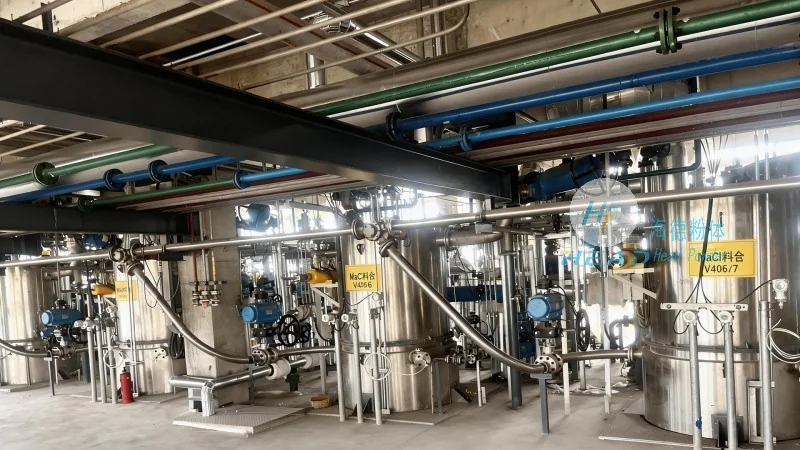
1. Pipeline Transportation
Pipeline transportation is a highly efficient method for moving large volumes of magnesium sulfate, especially in industrial settings where it is produced and consumed on-site. This method involves pumping the liquid form of magnesium sulfate through a network of pipes. The process is automated, reducing the need for manual handling and minimizing the risk of spills or contamination. Companies like Shandong HeadPowder Engineering Co., Ltd. often utilize pipeline systems to supply magnesium sulfate to nearby facilities, ensuring a continuous and reliable flow of the product. The pipeline infrastructure can be designed to handle different concentrations of the solution, from dilute to concentrated forms, making it versatile for various applications.
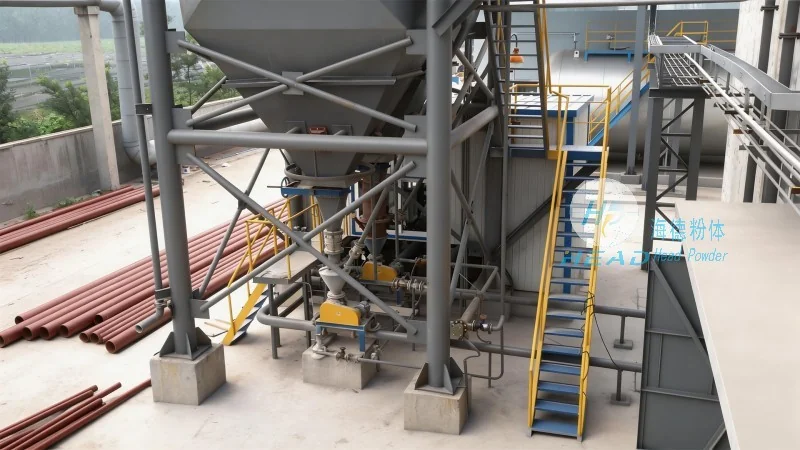
2. Tank Truck Transportation
For bulk transportation over longer distances, tank trucks are a common choice. These specialized vehicles are equipped with insulated tanks to maintain the temperature and prevent degradation of the magnesium sulfate. The trucks are designed to comply with safety regulations, including proper labeling and secure containment systems. The transport process involves loading the magnesium sulfate into the tank, which is then sealed and transported to the destination. This method is ideal for delivering large quantities of the product to remote locations or to customers who require significant amounts. The use of tank trucks allows for flexibility in scheduling and can accommodate both liquid and solid forms of magnesium sulfate, depending on the specific requirements of the shipment.
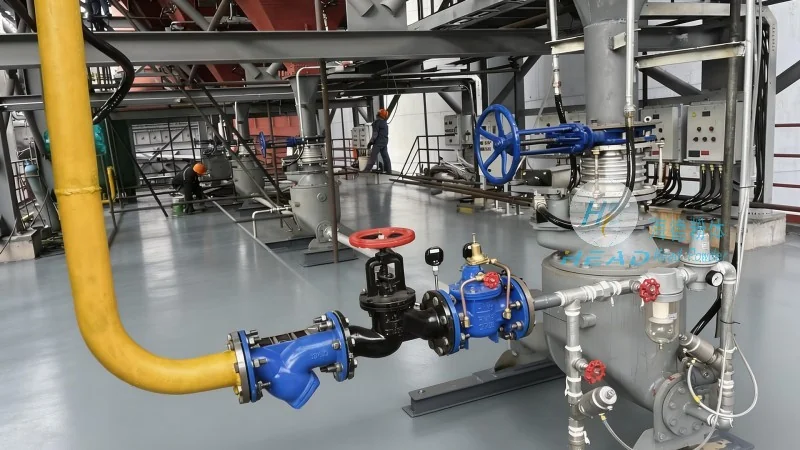
3. Packaging and Containerization
For smaller quantities or when the product needs to be delivered to retail or smaller-scale users, packaging and containerization are preferred. Magnesium sulfate is often packaged in bags, drums, or containers suitable for handling and storage. The packaging materials are chosen to be compatible with the chemical properties of the product, ensuring no reaction or degradation occurs during transport. Companies like HeadPowder, a division of Shandong HeadPowder Engineering Co., Ltd., offer various packaging options, including plastic bags, fiber drums, and metal containers, to meet the diverse needs of their clients. The packaging is designed to be durable, leak-proof, and easy to handle, reducing the risk of accidents during loading and unloading. This method is particularly useful for delivering magnesium sulfate to agricultural suppliers, pharmaceutical manufacturers, and other end-users who require manageable quantities.
4. Specialized Handling for Hazardous Materials
Given that magnesium sulfate is a chemical product, certain safety measures are essential during transportation. When transported in bulk, it may be classified as a non-hazardous material, but proper handling protocols are still required. The transport vehicles and containers must be marked with appropriate hazard symbols and labels to inform handlers of the contents. Additionally, the route is planned to avoid residential areas and sensitive environments, minimizing any potential impact on the surrounding community. Companies like Shandong HeadPowder Engineering Co., Ltd. adhere to strict safety guidelines and regulations to ensure that the transportation of magnesium sulfate is conducted in a responsible and secure manner. This includes regular inspections of the equipment, training of personnel, and compliance with local and international transport standards.
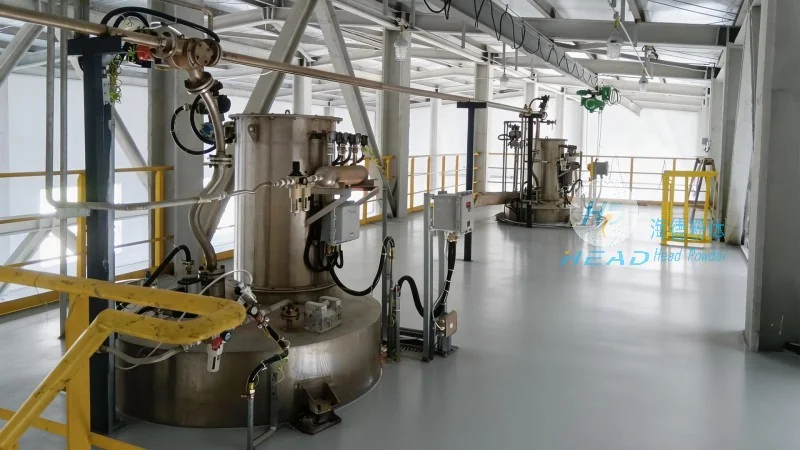
5. Integration with Supply Chain Management
The choice of transportation method also impacts the overall supply chain management of magnesium sulfate. Efficient logistics planning is crucial to ensure that the product reaches the customer on time and in optimal condition. Companies like HeadPowder utilize advanced supply chain technologies to track shipments, manage inventory, and coordinate with transport providers. This integration helps in reducing delays, optimizing costs, and improving customer satisfaction. The transportation methods are often tailored to the specific needs of the supply chain, whether it's a just-in-time delivery for a pharmaceutical manufacturer or a bulk shipment for an agricultural supplier. By aligning the transport method with the supply chain requirements, companies can enhance the overall efficiency and reliability of their operations.




