When it comes to the efficient and reliable transport of diatomite, selecting the right method is crucial for ensuring product integrity and operational efficiency. Diatomite, a lightweight, porous sedimentary rock, is widely used in various industries such as filtration, cosmetics, and construction. The choice of transport method depends on factors like the diatomite's bulk density, moisture content, and the distance it needs to be moved. Shandong HeadPowder Engineering Co., Ltd., a leading provider of diatomite processing solutions, understands the importance of choosing the right transport method to meet these needs. In this article, we will explore the primary methods for transporting diatomite, highlighting their advantages, limitations, and practical applications.
1. Pneumatic Conveying Systems
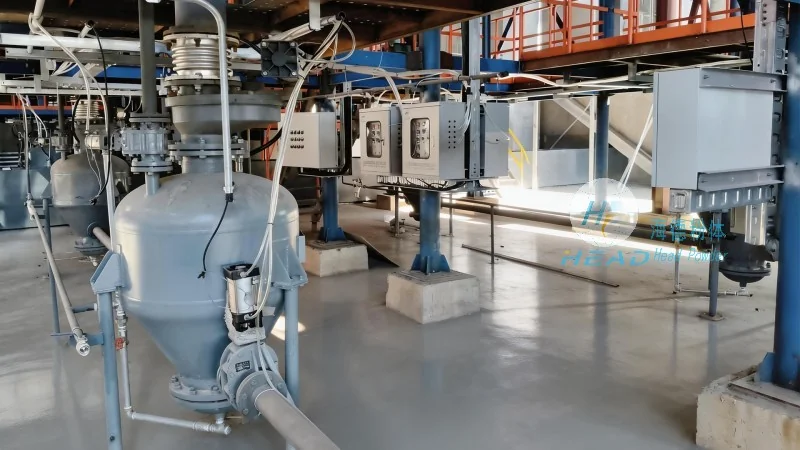
Pneumatic conveying, also known as air-pneumatic transport, is a popular method for transporting diatomite, especially over short to medium distances. This system uses compressed air to move diatomite particles through a pipeline. The diatomite is typically fed into the system via a hopper or feeder, and the air pressure propels the material forward. There are two main types of pneumatic conveying: pressure and vacuum systems. Pressure systems are suitable for long-distance transport, while vacuum systems are ideal for shorter distances or when the material needs to be collected from multiple points.
One of the key advantages of pneumatic conveying is its ability to handle fine or dusty diatomite without the need for additional equipment like conveyors or elevators. This method also allows for the transport of diatomite in a closed system, reducing dust emissions and improving safety in the workplace. However, pneumatic conveying can be energy-intensive, and the system may require regular maintenance to ensure consistent performance. The initial investment for a pneumatic conveying system is relatively high, but it can be cost-effective in the long run, especially for high-volume transport operations.
2. Belt Conveyors
Belt conveyors are a traditional and widely used method for transporting diatomite, particularly in bulk handling applications. This system consists of a continuous belt that moves over rollers or pulleys, transporting the diatomite from one location to another. Belt conveyors are suitable for both horizontal and inclined transport, making them versatile for various industrial settings. They can handle large quantities of diatomite with minimal labor, and the design allows for easy integration with other processing equipment.
One of the main benefits of belt conveyors is their high capacity and reliability. They can transport diatomite over long distances with consistent speed and efficiency. Belt conveyors are also relatively low-maintenance compared to other systems, and the components are easily replaceable. However, belt conveyors may not be suitable for very fine or dusty diatomite, as the material can cause wear and tear on the belt and rollers. Additionally, the system requires a level or slightly inclined surface, which may not be feasible in all operational environments.
3. Screw Conveyors
Screw conveyors, also known as auger conveyors, are another effective method for transporting diatomite, especially in vertical or inclined applications. This system uses a rotating screw or auger to move the diatomite through a tube or trough. Screw conveyors are ideal for transporting diatomite in a controlled manner, preventing material spillage and ensuring consistent flow rates. They are commonly used in processing plants where the diatomite needs to be elevated or moved vertically, such as from a storage silo to a processing unit.
One of the advantages of screw conveyors is their compact design, which allows for installation in limited spaces. They are also relatively low-cost compared to other transport systems and can handle a wide range of diatomite types, including wet or sticky materials. However, screw conveyors may not be suitable for very fine or abrasive diatomite, as the screw and trough can wear out quickly. The system also requires regular cleaning to prevent material buildup and ensure smooth operation.
4. Hydraulic Conveying
Hydraulic conveying is a less common but effective method for transporting diatomite, particularly in applications where the material needs to be moved through a pipeline using water or a slurry. This system involves mixing the diatomite with water to create a slurry, which is then pumped through a pipeline to the destination. Hydraulic conveying is suitable for long-distance transport and can handle large volumes of diatomite efficiently.
One of the main benefits of hydraulic conveying is its ability to transport diatomite through existing water pipelines, reducing the need for additional infrastructure. The system is also relatively low-maintenance and can handle abrasive materials without causing significant wear. However, hydraulic conveying requires a constant water supply and may not be suitable for diatomite with high moisture content, as the slurry can become too thick or settle in the pipeline. The system also needs to be designed to prevent clogging and ensure proper flow rates.
5. Truck and Rail Transport
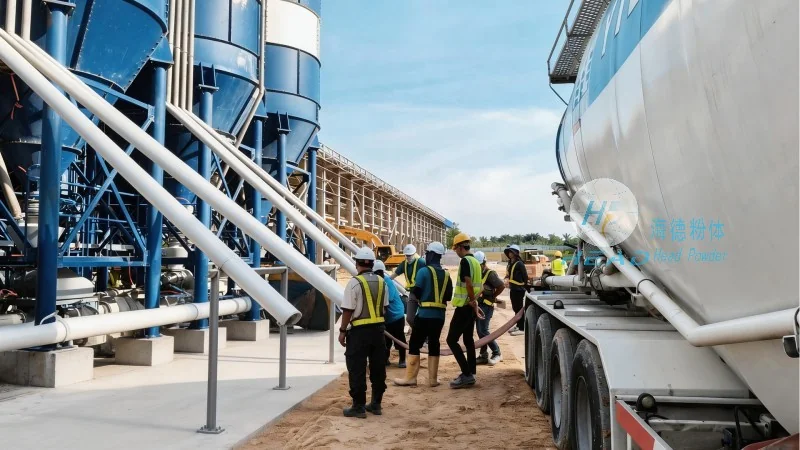
For long-distance transport of diatomite, truck and rail transport are common methods. Trucks are used for local or regional transport, while rail is suitable for longer distances or bulk shipments. This method involves loading the diatomite into containers or bulk trucks, which are then transported to the destination. Truck and rail transport are suitable for transporting large quantities of diatomite over long distances, but they may not be as efficient as other methods for short distances or in industrial settings.
One of the advantages of truck and rail transport is their flexibility, as they can reach remote locations that are not accessible by other transport systems. The system is also relatively low-cost compared to other methods, especially for bulk shipments. However, truck and rail transport may be subject to traffic delays and weather conditions, which can affect delivery times. The system also requires proper loading and unloading equipment to ensure the diatomite is transported safely and without damage.
Choosing the Right Transport Method for Diatomite
When selecting a transport method for diatomite, it is essential to consider several factors, including the distance to be covered, the volume of diatomite to be transported, the material's properties (such as moisture content and particle size), and the operational environment. For short to medium distances and fine diatomite, pneumatic conveying or belt conveyors may be suitable. For vertical or inclined transport, screw conveyors are a good option. For long-distance transport, hydraulic conveying or truck/rail transport may be more appropriate.
It is also important to consider the cost and maintenance requirements of each system. Pneumatic conveying and hydraulic conveying may have higher initial costs but lower long-term maintenance costs, while belt and screw conveyors may have lower initial costs but higher maintenance requirements. The choice of transport method should also align with the overall processing and production goals of the company.
Conclusion
Efficient and reliable transport of diatomite is critical for ensuring product quality and operational success. By understanding the different transport methods available and their respective advantages and limitations, companies can select the most suitable option for their specific needs. Whether using pneumatic conveying, belt conveyors, screw conveyors, hydraulic conveying, or truck/rail transport, the key is to balance cost, efficiency, and product integrity. With the right transport system in place, companies can ensure the smooth and safe movement of diatomite from the source to the final destination, supporting their business objectives and meeting customer demands.




