When it comes to transporting limestone, various methods are employed depending on the specific requirements of the project, the distance involved, and the nature of the limestone itself. Understanding these options is crucial for optimizing efficiency and ensuring the safe handling of this essential material.
Overview of Limestone Transportation Methods
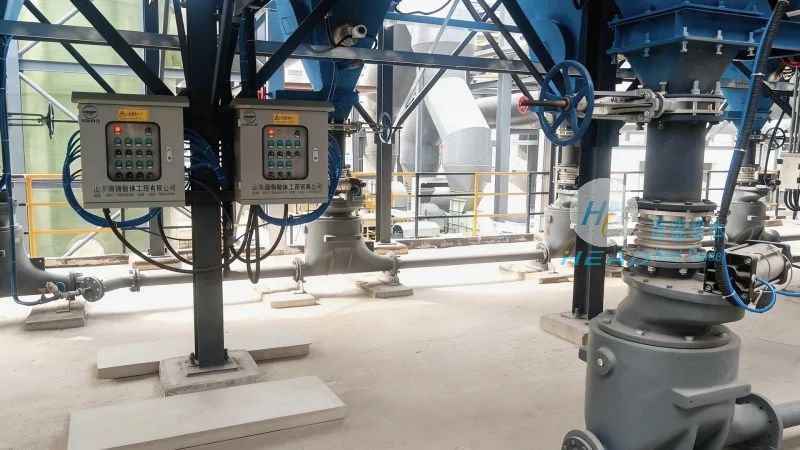
Limestone, a widely used material in construction, manufacturing, and environmental applications, requires reliable transportation solutions to move it from quarries to processing facilities or end-use sites. The choice of transportation method depends on factors such as the volume of limestone, the distance to be covered, the terrain, and the budget constraints. Here, we explore the primary methods for limestone transportation, focusing on their applications and benefits.
1. Truck Transportation
Truck transportation is one of the most common and versatile methods for moving limestone. It is particularly suitable for short to medium distances and for delivering limestone to construction sites or nearby processing plants. The flexibility of trucks allows for direct delivery to the point of use, reducing the need for additional handling and storage. Companies like Shandong HeadPowder Engineering Co., Ltd. may utilize specialized trucks equipped with bulk containers or trailers designed to carry large quantities of limestone efficiently. This method ensures timely delivery and is adaptable to various site conditions, making it a preferred choice for many projects.
2. Railway Transportation
For longer distances and bulk quantities, railway transportation offers a cost-effective solution. Trains can carry substantial volumes of limestone, making it ideal for transporting large amounts from quarries to processing centers or distribution hubs. This method is especially advantageous when the limestone is to be moved over hundreds or even thousands of kilometers. The use of specialized railcars, such as hopper cars, allows for the efficient loading and unloading of limestone, minimizing handling time and reducing the risk of material loss or degradation. Shandong HeadPowder Engineering Co., Ltd. may collaborate with railway operators to ensure the seamless transport of limestone, leveraging the infrastructure to optimize logistics and reduce transportation costs.
3. Barge and Waterway Transportation
When limestone is located near water bodies or needs to be transported over large waterways, barge and waterway transportation becomes a viable option. This method is particularly effective for moving limestone from coastal quarries to ports or inland waterways, where it can then be distributed to various markets. Barges can carry large volumes of limestone, and the use of specialized vessels ensures the material remains stable during transit. This method is often more economical for long-distance transport over water compared to road or rail, especially when dealing with large quantities. The process involves loading the limestone at the quarry, transporting it via barge to the destination, and then transferring it to trucks or other transport modes for final delivery. Shandong HeadPowder Engineering Co., Ltd. may utilize this method for projects involving coastal or riverine limestone sources, ensuring efficient and cost-effective movement of the material.
4. Pipeline Transportation
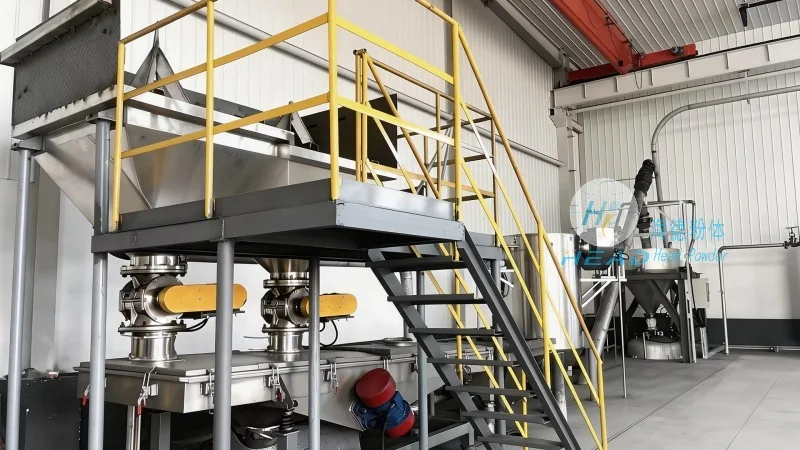
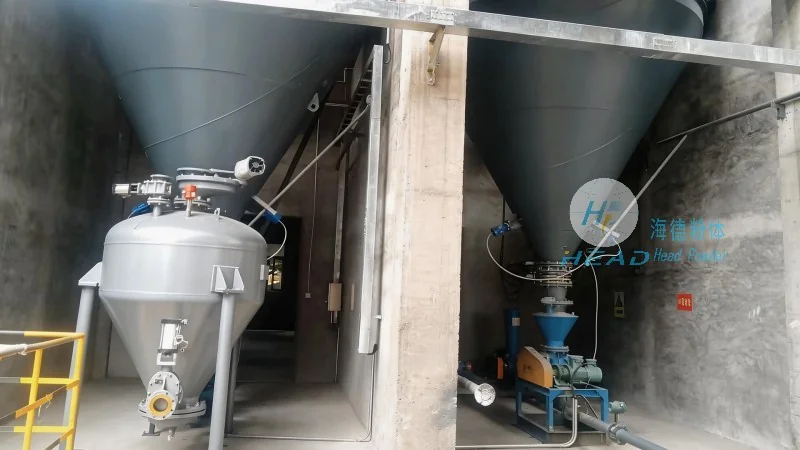
For specialized applications, especially in industrial settings, pipeline transportation can be employed. This method involves transporting limestone in a slurry or as a dry powder through pipelines. It is commonly used in processes where limestone is required as a raw material for chemical or manufacturing operations. The advantage of pipeline transportation is the continuous and automated movement of the material, reducing labor costs and minimizing the risk of spillage or contamination. Shandong HeadPowder Engineering Co., Ltd. may implement this method for clients involved in industries such as cement production or chemical manufacturing, where a steady supply of limestone is critical. The use of pipelines ensures a consistent flow of material, enhancing operational efficiency and reliability.
5. Conveyors and Belt Systems
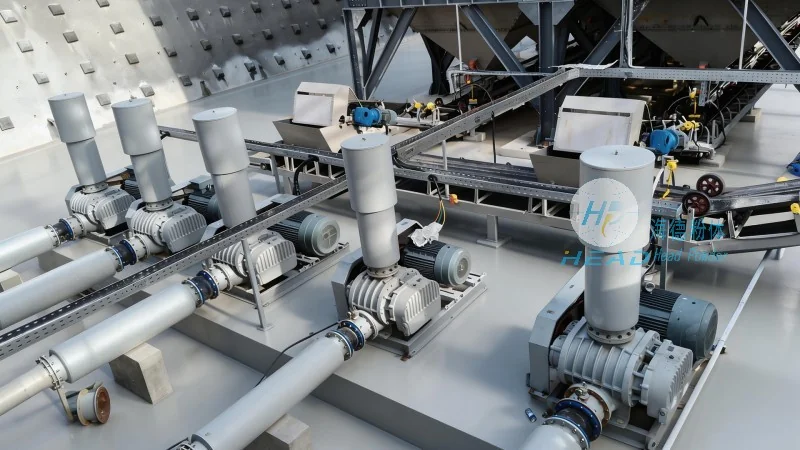
For internal or short-distance transportation within a facility or quarry, conveyors and belt systems are widely used. These systems are designed to move limestone from one processing stage to another, such as from crushing to screening or from storage to loading areas. Conveyors can handle large volumes of material with minimal labor, and they are particularly effective for moving limestone over short distances within a site. This method is often integrated into the overall quarry or processing operations, ensuring a smooth flow of material from extraction to final product. Shandong HeadPowder Engineering Co., Ltd. may incorporate conveyor systems as part of their engineering solutions, optimizing the internal logistics of limestone handling and processing.
Choosing the Right Transportation Method
Selecting the appropriate limestone transportation method requires careful consideration of several factors. The volume and frequency of limestone movement, the distance to be covered, the terrain and infrastructure available, and the budget are all critical in making an informed decision. For example, truck transportation may be suitable for small to medium volumes and short distances, while railway or barge transportation is more economical for large-scale, long-distance transport. The choice also depends on the specific characteristics of the limestone, such as its moisture content or particle size, which can affect handling and transport efficiency. Companies like Shandong HeadPowder Engineering Co., Ltd. often provide comprehensive assessments to help clients choose the most suitable method, ensuring that the transportation process is efficient, cost-effective, and safe.
Conclusion
In conclusion, limestone transportation methods vary based on the project's specific needs and operational constraints. Truck, railway, barge, pipeline, and conveyor systems each offer unique advantages and are selected based on factors such as distance, volume, and site conditions. By understanding these options and leveraging the expertise of companies like Shandong HeadPowder Engineering Co., Ltd., clients can ensure the efficient and reliable movement of limestone, supporting their construction, manufacturing, or environmental projects. The right transportation method not only optimizes logistics but also contributes to the overall success and profitability of the project.




