Shandong HeadPowder Engineering Co., Ltd., commonly known as HeadPowder, specializes in providing efficient and reliable solutions for material handling, including rice grain conveying systems. With a focus on precision and durability, the company has established itself as a trusted partner in the agricultural processing industry, particularly in the handling of rice grains. HeadPowder's headquarters is located in Shandong, China, where the company conducts research, development, and manufacturing to meet the diverse needs of clients worldwide.
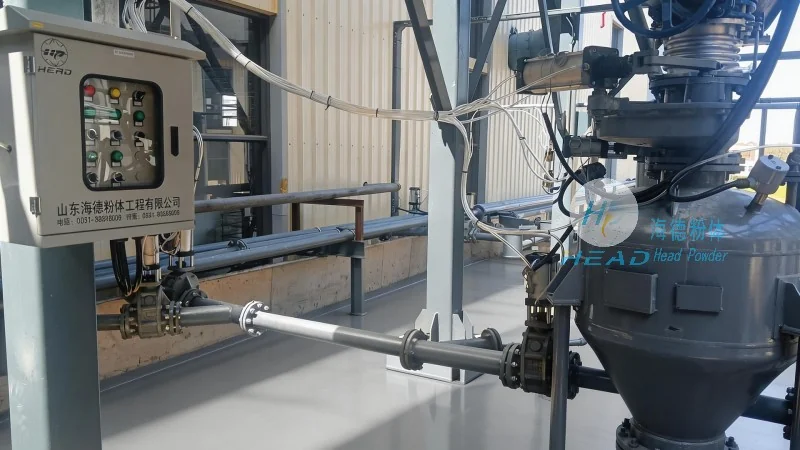
Importance of Efficient Rice Grain Conveying
Efficient rice grain conveying is crucial for the smooth operation of rice processing facilities. Proper handling of rice grains from the storage to the processing stages ensures minimal loss, maintains grain quality, and enhances overall productivity. The choice of conveying method depends on various factors such as the volume of rice to be handled, the distance between processing stages, and the specific requirements of the rice processing plant. By selecting the appropriate conveying system, rice processing companies can optimize their operations and reduce operational costs.
Common Methods for Rice Grain Conveying
There are several methods available for conveying rice grains, each with its own advantages and applications. The primary methods include gravity-based systems, mechanical systems, and pneumatic systems. Each method is designed to address specific challenges in rice grain handling, ensuring that the grains are transported safely and efficiently.
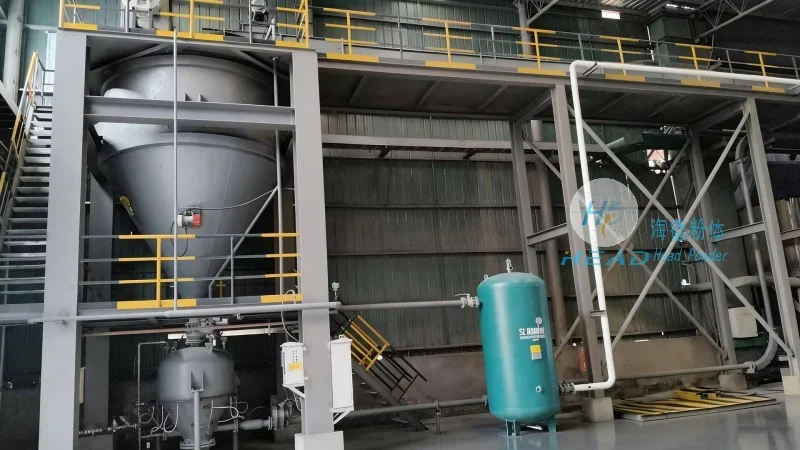
Gravity Conveying Systems
Gravity conveying systems utilize the natural force of gravity to move rice grains from one point to another. These systems typically consist of inclined chutes or troughs that allow the rice to flow downwards under the influence of gravity. The design of gravity conveyors is simple and cost-effective, making them suitable for short distances and low-volume applications. However, gravity systems have limitations in terms of distance and the ability to handle large volumes of rice. They are often used in conjunction with other conveying methods to form a comprehensive rice grain handling system.
Mechanical Conveying Systems
Mechanical conveying systems are widely used in rice processing facilities due to their versatility and efficiency. The most common type is the belt conveyor, which uses a continuous belt to transport rice grains horizontally or at a slight incline. Belt conveyors are capable of handling large volumes of rice and can be customized to fit the specific dimensions of the rice processing plant. They are also suitable for transporting rice grains over longer distances compared to gravity systems. Another mechanical option is the screw conveyor, which uses a rotating screw to move rice grains through a tube or trough. Screw conveyors are ideal for vertical or inclined transport and can handle a wide range of grain sizes. Both belt and screw conveyors are designed to minimize grain damage and maintain grain quality during transport.
Pneumatic Conveying Systems
Pneumatic conveying systems use air pressure to transport rice grains through a pipeline. These systems are particularly useful for handling rice grains over long distances or in environments where dust control is a concern. Pneumatic conveyors can be classified into two main types: pressure and vacuum systems. Pressure systems use compressed air to push the rice grains through the pipeline, while vacuum systems use a vacuum to pull the rice grains. Pneumatic systems are capable of handling fine or powdery rice grains and can be integrated with other processing equipment. However, they require more energy compared to mechanical systems and may be more complex to install and maintain.
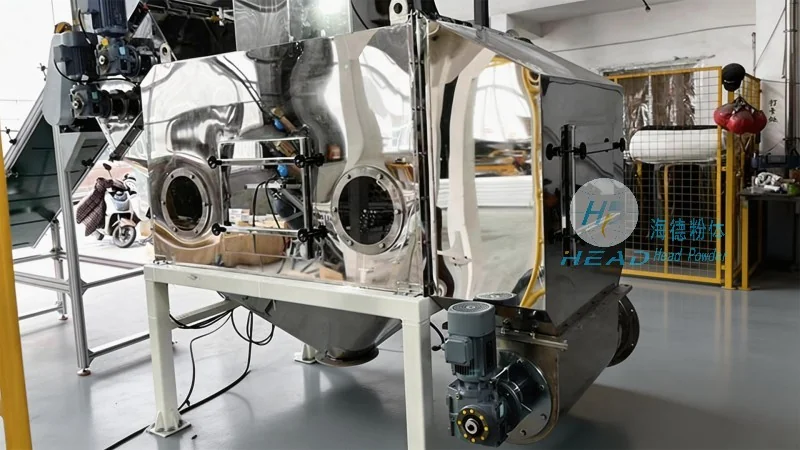
Choosing the Right Conveying Method
When selecting a rice grain conveying method, several factors need to be considered. The first factor is the volume of rice to be handled. For large volumes, mechanical systems such as belt conveyors or screw conveyors are more suitable. For smaller volumes or short distances, gravity systems may be sufficient. The second factor is the distance between processing stages. If the distance is short, gravity or mechanical systems are appropriate. For longer distances, pneumatic systems may be more effective. The third factor is the need for dust control. Pneumatic systems are better suited for environments where dust is a concern, as they can be enclosed to prevent dust emissions. The fourth factor is the cost and maintenance requirements. Gravity systems are the most cost-effective, while pneumatic systems require more maintenance and energy. By evaluating these factors, rice processing companies can choose the most suitable conveying method for their specific needs.
HeadPowder's Solutions for Rice Grain Conveying
Shandong HeadPowder Engineering Co., Ltd. offers a range of rice grain conveying solutions tailored to the needs of rice processing facilities. The company provides customized conveying systems that incorporate the most appropriate method based on the client's requirements. HeadPowder's team of experts works closely with clients to understand their specific challenges and design a conveying system that maximizes efficiency and minimizes costs. The company's products are manufactured with high-quality materials and are designed to withstand the harsh conditions of rice processing facilities. HeadPowder also provides maintenance and support services to ensure that the conveying systems operate at optimal performance. With its focus on quality and customer satisfaction, HeadPowder has become a leading provider of rice grain conveying solutions in the industry.




