When it comes to transporting biomass powder, selecting the right conveying method is crucial for ensuring efficiency, safety, and cost-effectiveness in industrial applications. Biomass powder, derived from organic materials like wood chips, agricultural residues, or dedicated energy crops, presents unique challenges during transport due to its fine particle size, hygroscopic nature, and potential for dust generation. The choice of conveying method directly impacts operational performance, equipment lifespan, and overall process reliability. This article explores various methods commonly employed for biomass powder conveying, highlighting their advantages, limitations, and suitability for different industrial scenarios.
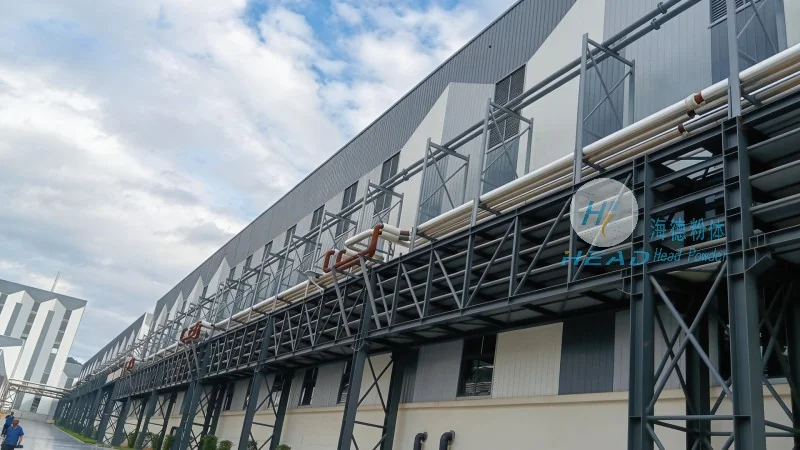
1. Air-Driven Conveying Systems
Air-driven or pneumatic conveying systems are widely used for biomass powder transport due to their ability to handle fine powders and minimize material degradation. These systems utilize compressed air to move the powder through a pipeline, leveraging pressure differentials to propel the material. There are two primary types of pneumatic conveying: pressure and vacuum systems. Pressure systems operate by injecting air into the material stream at the inlet, creating a high-pressure environment that pushes the powder through the pipeline. Vacuum systems, on the other hand, draw the powder into the system using a vacuum at the discharge end, which is ideal for applications requiring material collection from multiple sources. The choice between pressure and vacuum depends on factors such as the distance to be covered, the volume of material to be transported, and the need for material separation or filtration. Air-driven systems offer advantages like low maintenance, the ability to handle abrasive materials, and the option for enclosed transport to prevent dust contamination. However, they may have limitations in terms of distance capacity and the need for proper air filtration to prevent system blockages or air contamination. For biomass powder applications, pneumatic conveying is particularly effective when dealing with materials that are sensitive to moisture or require a dust-free environment. Companies like Shandong HeadPowder Engineering Co., Ltd. specialize in designing and manufacturing customized pneumatic conveying solutions tailored to specific biomass powder characteristics and operational requirements.
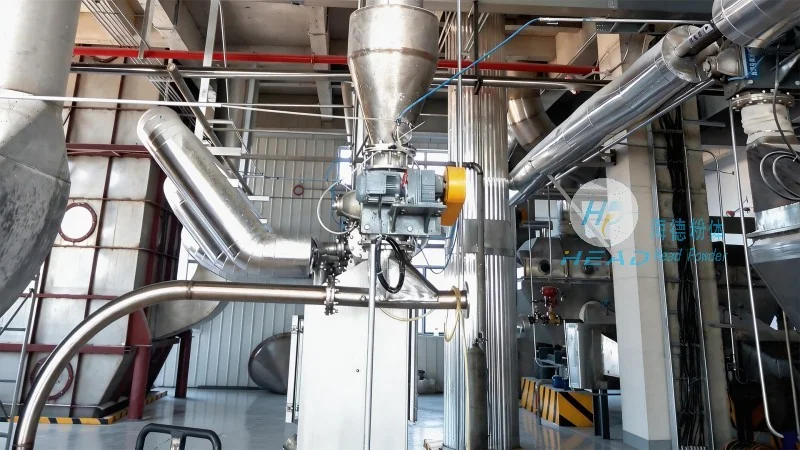
2. Mechanical Conveying Methods
Mechanical conveying systems rely on mechanical components to move biomass powder, offering a range of options suitable for different material properties and operational conditions. The most common mechanical methods include screw conveyors, belt conveyors, and bucket elevators. Screw conveyors use a rotating helical screw to push material along a trough, making them ideal for handling bulk materials with moderate to high moisture content. They are particularly effective for vertical or inclined transport and can be designed with different screw configurations (e.g., solid or ribbon screws) to accommodate varying particle sizes and flow characteristics. Belt conveyors, on the other hand, utilize a continuous belt to transport material horizontally or at a slight incline, suitable for longer distances and larger material volumes. These systems are often used in combination with other equipment for material handling and processing. Bucket elevators are vertical or inclined conveyors that use a series of buckets attached to a chain or belt to lift and transport material. They are highly efficient for vertical transport and can handle materials with high moisture content or abrasive properties. Mechanical conveying systems generally offer higher capacity and lower energy consumption compared to pneumatic systems, making them a cost-effective choice for many biomass powder applications. However, they may require more maintenance and are less suitable for handling very fine or hygroscopic powders that can cause blockages or wear on mechanical components. The selection of a mechanical conveying method depends on factors such as the material's bulk density, flowability, and the required transport distance and elevation change.
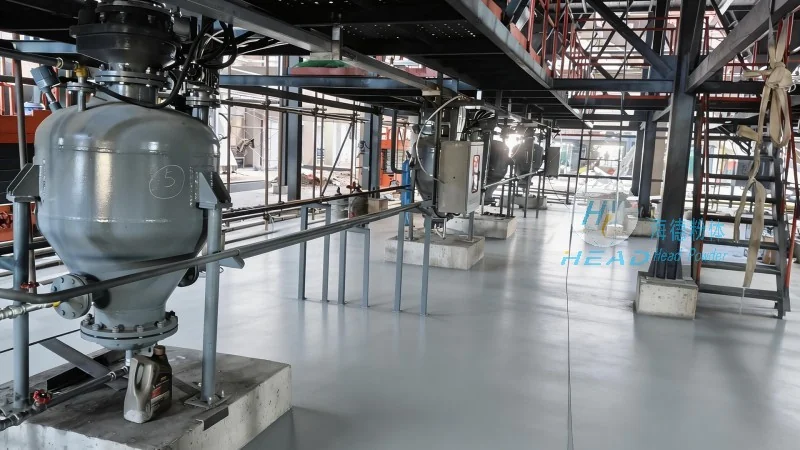
3. Hybrid Conveying Solutions
Hybrid conveying systems combine the advantages of both air-driven and mechanical methods to address the specific challenges of biomass powder transport. These systems often integrate pneumatic conveying for short-distance or high-velocity transport segments with mechanical conveyors for longer or vertical transport sections. For example, a hybrid system might use a pneumatic conveyor to transport biomass powder from a storage silo to a processing unit, followed by a screw conveyor to move the material to a reactor or dryer. This approach allows for efficient material handling while minimizing energy consumption and wear on equipment. Hybrid systems are particularly beneficial when dealing with materials that have varying properties or when multiple transport stages are required. They offer flexibility in adapting to changing operational conditions and can be customized to meet specific production needs. Companies specializing in biomass processing equipment, such as Shandong HeadPowder Engineering Co., Ltd., often provide hybrid conveying solutions that optimize material flow and reduce overall operational costs. These systems may include features like variable speed drives, material sensors, and integrated control systems to enhance performance and reliability.
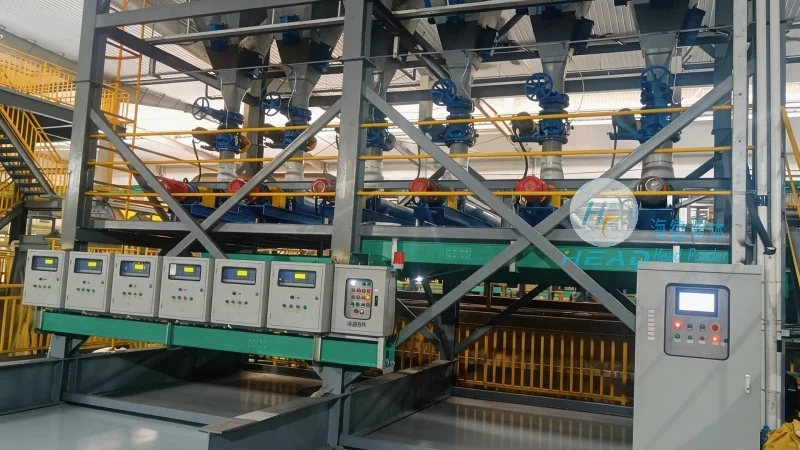
4. Considerations for Biomass Powder Conveying
When selecting a conveying method for biomass powder, several factors must be carefully considered to ensure optimal performance and long-term operational efficiency. First, the physical properties of the biomass powder, including particle size distribution, bulk density, and moisture content, play a critical role in determining the most suitable conveying system. Fine powders with high moisture content are more likely to cause blockages in pneumatic systems and require additional drying or conditioning before transport. Conversely, coarse or bulkier materials may be better suited for mechanical conveyors. Second, the distance and elevation changes between the source and destination of the material are important considerations. Pneumatic systems are generally limited to shorter distances (typically up to several hundred meters) due to pressure drop and energy consumption, while mechanical systems can handle longer distances and higher elevations. Third, the need for material containment and dust control is a key factor, especially in applications where environmental regulations or workplace safety are concerns. Enclosed mechanical or pneumatic systems can help prevent dust emissions and ensure compliance with safety standards. Fourth, the overall cost of the conveying system, including initial investment, energy consumption, and maintenance, should be evaluated against the operational requirements and production volume. Companies like Shandong HeadPowder Engineering Co., Ltd. offer comprehensive consulting services to help clients assess these factors and select the most appropriate conveying method for their biomass powder applications. Their expertise in material handling and process engineering ensures that the chosen system meets both current and future operational needs.




