Wheat starch, a critical raw material in industries such as food processing, pharmaceuticals, and cosmetics, demands efficient and reliable transportation systems to preserve its quality and integrity. The selection of a transportation method directly impacts operational efficiency, cost, and product safety. This article examines the primary methods for wheat starch transportation, offering insights into each approach and its suitability for various applications. The information is provided by Shandong HeadPowder Engineering Co., Ltd., a leading manufacturer specializing in bulk material handling solutions, with operations based in Shandong, China.
Overview of Wheat Starch Transportation Methods
When choosing a transportation method for wheat starch, several factors must be considered, including the starch's moisture content, particle size, bulk density, and the distance it needs to be moved. Common methods include pneumatic conveying, screw conveyors, belt conveyors, and hopper systems. Each method has distinct advantages and limitations, making it essential to evaluate them based on specific operational requirements.
Pneumatic Conveying Systems
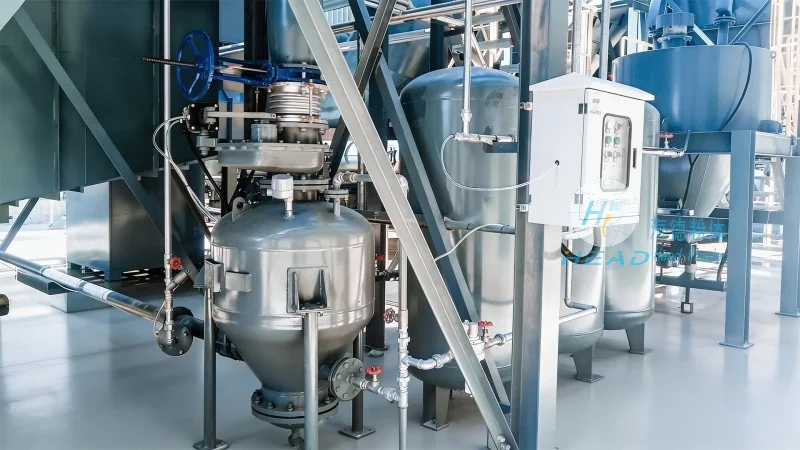
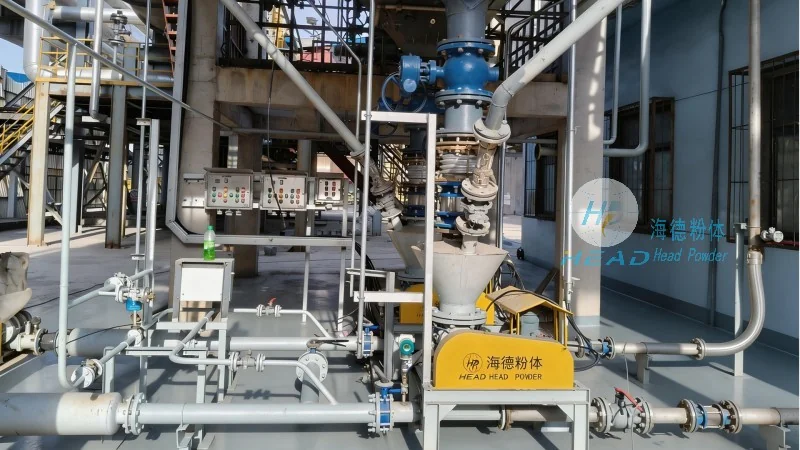
Pneumatic conveying, also known as air conveying, is widely used for wheat starch due to its ability to handle fine powders and maintain product purity. This system operates by using compressed air to move the starch through a network of pipes. There are two main types: pressure and vacuum systems. Pressure systems use positive pressure to push the material, while vacuum systems use negative pressure to pull it. For wheat starch, pressure systems are often preferred as they can handle larger volumes and longer distances without complex vacuum setups. The system typically includes a hopper, a rotary valve, a filter, and a receiver. The rotary valve controls the flow of starch into the pipe, while the filter ensures no particles escape into the air, maintaining a clean and safe environment. Pneumatic conveying is particularly effective for applications where dust control and product containment are critical, such as in food processing facilities.
Screw Conveyors
Screw conveyors, or auger conveyors, are another common method for transporting wheat starch. These systems consist of a rotating screw (auger) inside a cylindrical tube. The screw rotates, pushing the starch forward through the tube. Screw conveyors are suitable for horizontal or slight incline applications and can handle a wide range of particle sizes. They are effective for moving bulk materials over short to medium distances. The key advantage of screw conveyors is their simplicity and low maintenance requirements. They do not need additional power sources like compressors for pneumatic systems, making them more cost-effective for shorter transport distances. However, screw conveyors may not be as efficient for very fine or cohesive starches, as they can lead to blockages or increased friction. To mitigate this, some systems use a combination of a screw conveyor and a pneumatic assist for smooth operation.
Belt Conveyors
Belt conveyors are commonly used in bulk material handling, including wheat starch transportation. These systems use a continuous belt that moves over rollers or pulleys to transport the starch. Belt conveyors are ideal for long-distance horizontal or slight incline transport and can handle large volumes of material. They are particularly effective in industrial settings where high throughput is required. The belt is typically made of durable materials like rubber or plastic, designed to resist wear and tear from starch particles. The system includes a drive unit, idlers, and a tail pulley to control the belt's movement. Belt conveyors are often integrated with other equipment, such as hoppers and storage silos, to form a complete material handling system. While effective for bulk transport, belt conveyors may not be suitable for very fine or dusty starches, as they can generate significant dust and require additional dust control measures.
Hopper and Storage Systems
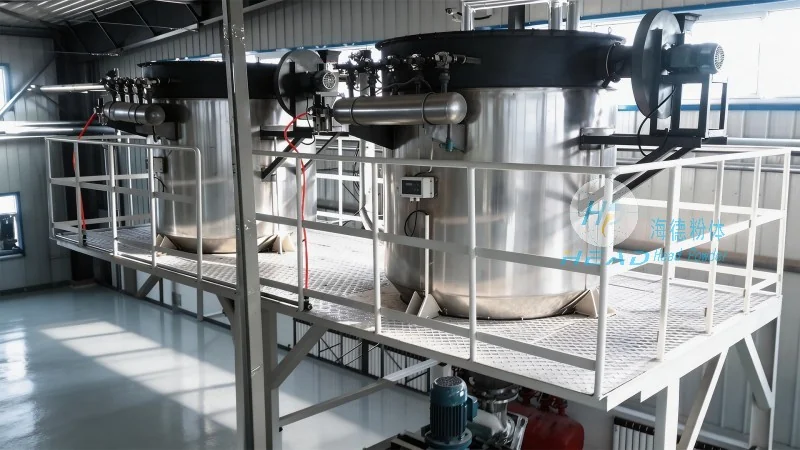
For large-scale operations, hopper and storage systems are essential for managing wheat starch inventory and facilitating smooth transportation. These systems include large storage silos or hoppers that store the starch before it is transported to processing or packaging areas. The hoppers are typically made of stainless steel or other corrosion-resistant materials to prevent contamination and maintain product quality. The storage systems are equipped with level sensors and discharge valves to control the flow of starch into the transportation system. This ensures a consistent and controlled supply of starch, reducing the risk of overfilling or underfilling. The hoppers are often integrated with conveyor systems or pneumatic lines to allow seamless transfer of the starch. For example, a large storage silo may connect to a screw conveyor or pneumatic line that transports the starch to a processing plant. The storage system also helps in managing inventory levels, ensuring production is not interrupted by raw material shortages.
Factors Influencing Method Selection
The choice of wheat starch transportation method depends on several factors, including the starch's properties, transport distance, required throughput, and available budget. Pneumatic conveying is often preferred for fine, dusty starches and long-distance transport, while screw conveyors are suitable for shorter distances and bulk handling. Belt conveyors are ideal for large-scale, long-distance transport, and hopper systems are essential for inventory management. The cost of the system, including installation and maintenance, is also critical. Pneumatic systems may have higher initial costs due to compressors and filters, but they offer advantages in dust control and product purity. Screw conveyors are more cost-effective for shorter distances but may require more frequent maintenance due to wear and tear. The operational environment, such as the presence of other materials or the need for dust-free conditions, also influences the choice. For example, in food processing facilities, pneumatic conveying is often preferred to maintain a clean and hygienic environment.
Conclusion
Choosing the right wheat starch transportation method is crucial for optimizing operational efficiency, maintaining product quality, and controlling costs. Pneumatic conveying, screw conveyors, belt conveyors, and hopper systems each offer unique advantages and are suitable for different applications. By considering factors such as starch properties, transport distance, throughput requirements, and budget, companies can select the most appropriate method for their needs. The use of advanced technology and proper maintenance can further enhance system performance and longevity, ensuring reliable and efficient wheat starch transportation. As the demand for wheat starch grows, the importance of efficient transportation systems will increase, making it essential for manufacturers to invest in the right equipment and systems. Shandong HeadPowder Engineering Co., Ltd. provides tailored solutions to meet these needs, leveraging expertise in bulk material handling to deliver effective transportation systems for wheat starch and other bulk materials.




