For industries relying on silica fume powder, efficient and reliable transportation is crucial to maintaining production efficiency and product quality. Silica fume, a key additive in various applications such as concrete, rubber, and plastics, requires specialized handling to prevent degradation and ensure consistent performance. This article explores the common methods used for transporting silica fume powder, focusing on the technologies and considerations that ensure safe and effective delivery.
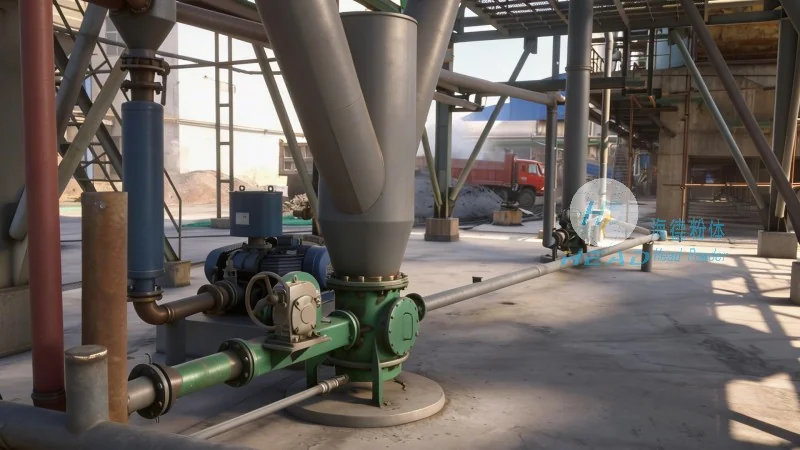
Understanding Silica Fume Powder and Its Transportation Needs
Silica fume, also known as microsilica, is a fine powder derived from the production of silicon metal or ferrosilicon alloys. Its high surface area and reactivity make it an essential component in many industrial processes. However, due to its fine particle size and hygroscopic nature, transporting silica fume powder demands careful attention to equipment selection and operational procedures. The primary goal of any transportation method is to minimize dust generation, prevent caking, and maintain the powder's integrity throughout the process.
Common Transportation Methods for Silica Fume Powder
Several methods are commonly employed to transport silica fume powder from storage to processing units. Each method has its advantages and is suitable for different operational scales and environmental conditions. The selection of a transportation method often depends on factors such as the distance between storage and processing areas, the volume of material to be moved, and the existing infrastructure of the facility.
Pneumatic Conveying Systems
Pneumatic conveying is one of the most widely used methods for transporting silica fume powder. This technology uses compressed air to move the powder through a network of pipes. There are two main types of pneumatic conveying systems: positive displacement and pressure-assisted. Positive displacement systems use a pump to create a vacuum or pressure to move the material, while pressure-assisted systems rely on compressed air to push the powder through the system.
Positive displacement systems are particularly effective for transporting silica fume powder over long distances or in complex layouts. They are capable of handling high volumes of material and can maintain consistent flow rates, which is essential for maintaining the powder's quality. These systems typically use rotary lobe or screw pumps to move the powder, ensuring minimal pressure drops and preventing clogging. The use of flexible hoses or rigid pipes allows for easy integration into existing production lines, making them a versatile option for various industrial applications.
Pressure-Assisted Pneumatic Conveying
Pressure-assisted pneumatic conveying systems are another popular choice for silica fume powder transportation. These systems use compressed air to push the powder through the conveying line, often from a storage silo to a processing unit. The compressed air is introduced at the inlet of the pipe, creating a pressure differential that moves the material. This method is particularly effective for short to medium distances and can handle relatively high flow rates.
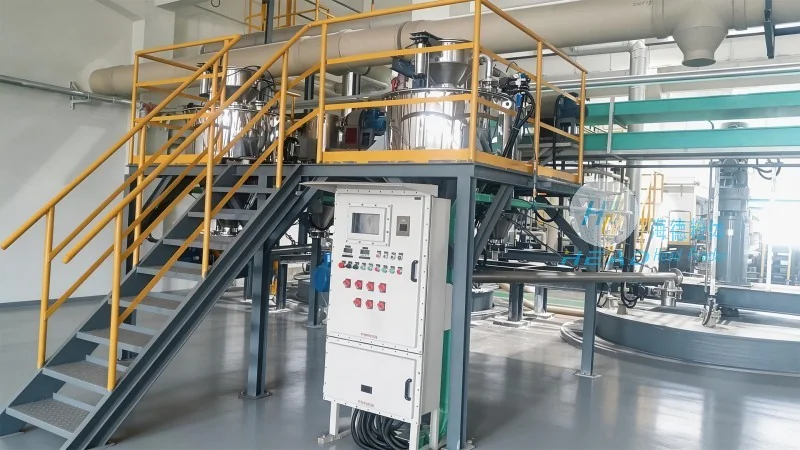
Pressure-assisted systems are known for their simplicity and low maintenance requirements. They do not require vacuum pumps, which reduces operational costs and complexity. However, they may not be as efficient for long-distance transportation as positive displacement systems, as the pressure drop can increase with distance, potentially reducing the flow rate. Despite this limitation, pressure-assisted systems are widely used in many industries due to their cost-effectiveness and reliability.
Mechanical Conveying Systems
Mechanical conveying systems, such as belt conveyors and screw conveyors, are also used for transporting silica fume powder. These systems rely on mechanical components to move the material, rather than air pressure. Belt conveyors are commonly used for horizontal or slightly inclined transport, while screw conveyors are ideal for vertical or inclined transport.
Belt conveyors are suitable for transporting silica fume powder over moderate distances and at relatively high speeds. They are capable of handling large volumes of material and can be easily integrated into existing production lines. However, belt conveyors may generate more dust than pneumatic systems, which can affect the powder's quality and require additional dust control measures. Screw conveyors, on the other hand, are more effective for vertical transport and can handle materials with higher moisture content. They are also less prone to clogging compared to other mechanical systems, making them a reliable option for transporting silica fume powder.
Hybrid Conveying Systems
Hybrid conveying systems combine elements of pneumatic and mechanical systems to provide the benefits of both. These systems often use a combination of air and mechanical components to move the silica fume powder. For example, a hybrid system might use a pneumatic conveyor to transport the powder from a storage silo to a hopper, followed by a screw conveyor to move the material into the processing unit.
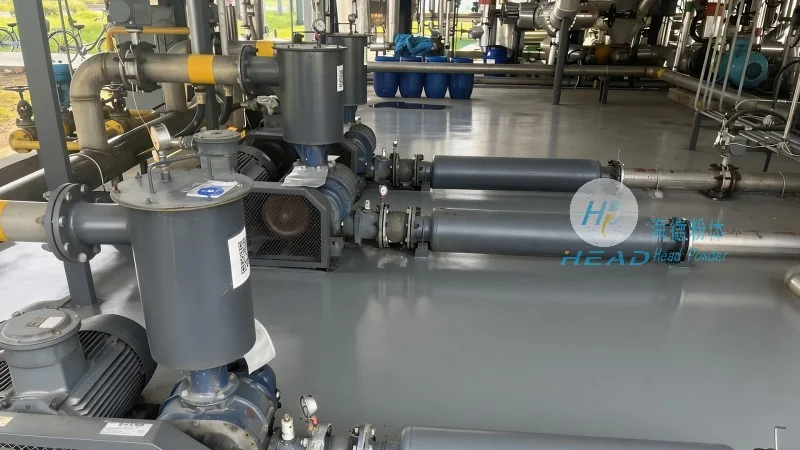
Hybrid systems offer flexibility and can be tailored to specific operational needs. They are particularly useful when transporting silica fume powder over varying distances or in complex layouts. By combining the advantages of pneumatic and mechanical systems, hybrid conveyors can provide efficient and reliable transportation while minimizing the drawbacks of each method. This approach is often adopted in large-scale industrial facilities where multiple transportation needs must be addressed.
Key Considerations for Silica Fume Powder Transportation
When selecting a transportation method for silica fume powder, several factors must be considered to ensure optimal performance and product quality. The first consideration is the material's properties, such as particle size, moisture content, and hygroscopic nature. Silica fume powder is typically very fine, which can lead to caking and dust generation if not handled properly. Therefore, equipment that minimizes these issues, such as pneumatic systems with low pressure drops or screw conveyors with smooth surfaces, is preferred.
Another important consideration is the distance and layout of the transportation route. For short distances, mechanical systems like belt conveyors may be sufficient. However, for longer distances or complex layouts, pneumatic systems are often more effective. The choice of system also depends on the volume of material to be transported and the required flow rate. High-volume applications may require larger systems, such as positive displacement pneumatic conveyors, while low-volume applications can use smaller, more compact systems.
Environmental and safety considerations are also critical when transporting silica fume powder. Silica fume is a fine powder that can be hazardous if inhaled, so dust control measures are essential. This includes using enclosed systems, filtration, and proper ventilation to prevent dust from escaping into the environment. Additionally, the equipment used must be designed to handle the material's properties without causing damage or degradation. Regular maintenance and inspection of the transportation system are necessary to ensure its reliability and safety.
Conclusion
In conclusion, the transportation of silica fume powder requires careful selection of the appropriate method based on operational needs, material properties, and environmental considerations. Pneumatic conveying systems, both positive displacement and pressure-assisted, are widely used due to their efficiency and ability to maintain the powder's quality. Mechanical systems, such as belt and screw conveyors, are also effective for specific applications. Hybrid systems offer flexibility and can be tailored to complex layouts. By considering factors such as distance, volume, and material properties, industries can choose the most suitable transportation method to ensure safe and efficient delivery of silica fume powder.




