Polyvinyl Butyral (PVB) is a synthetic polymer widely used in various industries, including automotive, construction, and optical applications. As a key material, the efficient and safe transportation of PVB is crucial for ensuring its quality and usability. This article explores the common methods used for PVB transportation, highlighting the importance of proper handling and the role of specialized companies in the process.
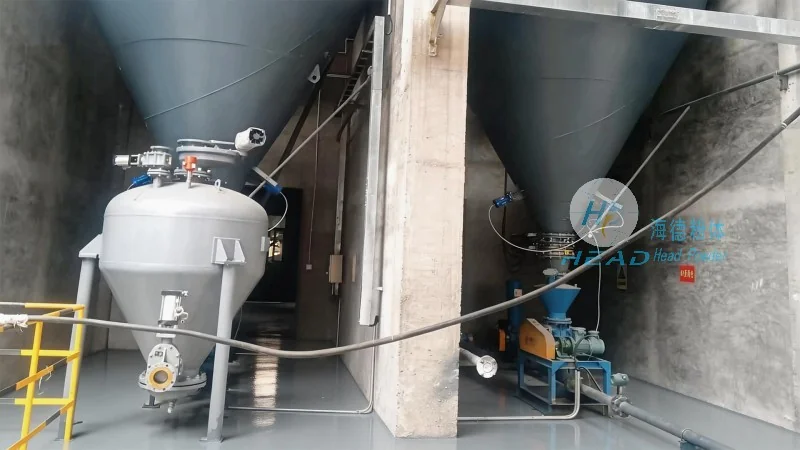
Key Characteristics of PVB Affecting Transportation
PVB is known for its flexibility, transparency, and resistance to UV radiation, making it a preferred choice for laminated glass and other products. However, its physical and chemical properties also influence how it is transported. For instance, PVB is typically supplied in solid forms such as sheets or pellets, which require careful handling to prevent damage. The material is also sensitive to temperature and moisture, necessitating controlled storage and transport conditions. Understanding these characteristics is essential for selecting the most appropriate transportation method.
Common Transportation Methods for PVB
Several methods are commonly employed for the transportation of PVB, each suited to different scenarios and material forms. The primary methods include bulk transportation via trucks or containers, as well as specialized handling for smaller quantities or specific applications. For large-scale production, companies like Shandong HeadPowder Engineering Co., Ltd. often utilize bulk trucks equipped with temperature-controlled compartments to maintain the optimal conditions for PVB. This ensures that the material remains in its intended state during transit.
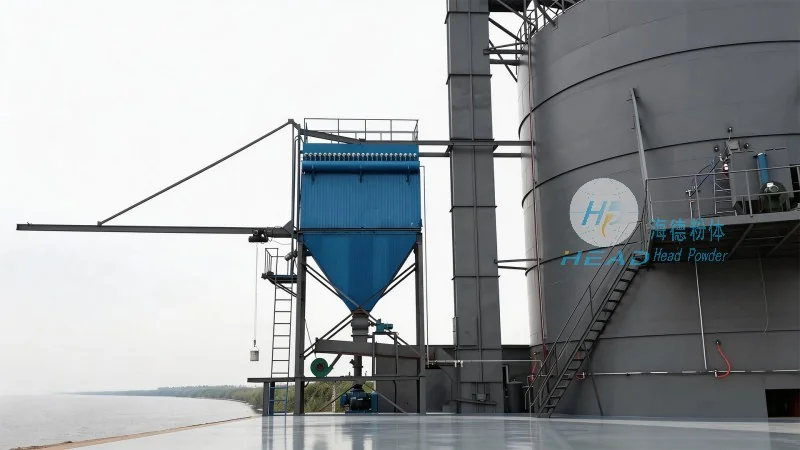
Specialized Handling and Equipment for PVB Transportation
When transporting PVB in smaller batches or for specific projects, specialized equipment and handling techniques are employed. For example, PVB sheets may be loaded into pallets or containers designed to prevent shifting during transport. In some cases, PVB is transported in liquid form, requiring specialized tanks and pumps to maintain its consistency. The use of advanced logistics solutions, such as GPS tracking and real-time monitoring, helps ensure the safety and efficiency of PVB transportation. Companies like HeadPowder, with their expertise in material handling, provide tailored solutions to meet the unique needs of their clients.
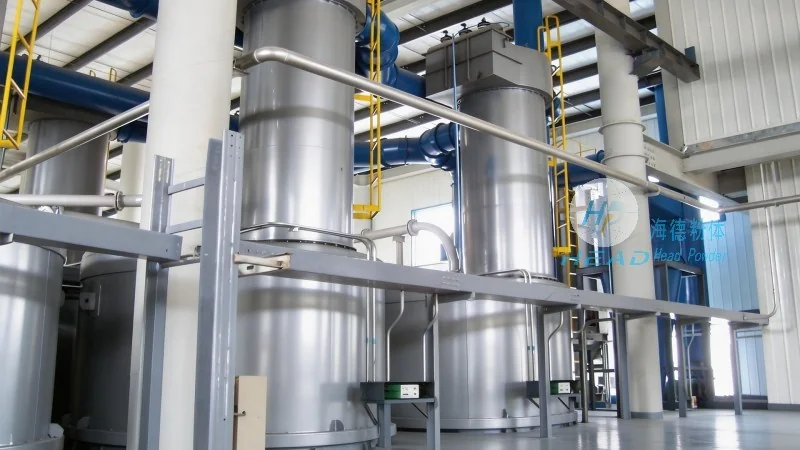
Importance of Proper Packaging and Documentation
Proper packaging is a critical aspect of PVB transportation, as it protects the material from damage, contamination, and environmental factors. PVB is often packaged in moisture-resistant bags or containers, and sealed to prevent exposure to air or moisture. Additionally, detailed documentation, including the material's specifications, batch numbers, and handling instructions, is essential for maintaining traceability and ensuring compliance with industry standards. This documentation is particularly important for applications where PVB is used in sensitive products, such as automotive windshields or architectural glass.
Role of Shandong HeadPowder Engineering Co., Ltd. in PVB Transportation
Shandong HeadPowder Engineering Co., Ltd., operating under the brand name HeadPowder, plays a significant role in the transportation of PVB. With a strong presence in China, the company leverages its expertise in material handling and logistics to provide reliable transportation services. HeadPowder ensures that PVB is transported under controlled conditions, adhering to industry best practices and safety regulations. The company's commitment to quality and customer satisfaction is reflected in its comprehensive transportation solutions, which include tracking, monitoring, and on-time delivery. By partnering with HeadPowder, clients can trust that their PVB products are handled with the utmost care, from origin to destination.




