When it comes to the efficient handling and transportation of fly ash, selecting the right conveying method is crucial for industrial operations. Fly ash, a byproduct of coal combustion, requires reliable and effective transport systems to ensure proper utilization and environmental compliance. This article provides a detailed comparison of common fly ash conveying methods, highlighting their characteristics, advantages, and limitations. The information is presented by Shandong HeadPowder Engineering Co., Ltd., a leading provider of engineering solutions for bulk material handling, with operations based in Shandong, China.
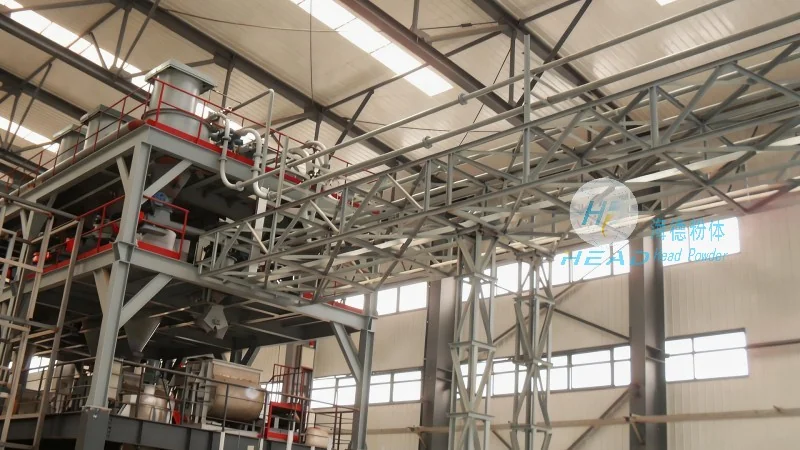
Understanding Fly Ash and Conveying Requirements
Fly ash, also known as pulverized fuel ash (PFA), is a fine powder generated from the combustion of coal in power plants. It is often used as a supplementary cementitious material in concrete production, a raw material in the manufacturing of bricks, or as a filler in various construction applications. The properties of fly ash, such as its particle size, moisture content, and chemical composition, significantly influence the choice of conveying method. Efficient conveyance is essential to minimize material loss, prevent dust emissions, and maintain operational safety. Common conveying methods for fly ash include pneumatic conveying, belt conveyors, and pipeline systems, each with distinct operational principles and applications.
1. Pneumatic Conveying Systems
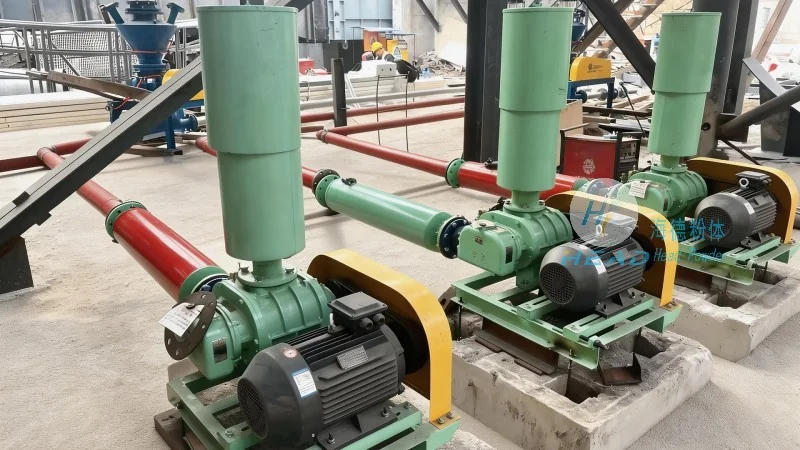
Pneumatic conveying uses air or other gases to transport bulk materials through a pipeline. This method is particularly suitable for fly ash due to its fine particle size and the need to minimize dust exposure. There are two main types of pneumatic conveying: pressure and vacuum systems. Pressure systems operate by forcing air and material through the pipeline using positive pressure, while vacuum systems use suction to draw material into the pipeline. Pneumatic conveying offers several advantages, including the ability to transport materials over long distances, vertical and horizontal movement, and the option to integrate with other processing equipment. However, it requires careful control of air flow and pressure to prevent material degradation and system blockages. The system also needs regular maintenance to ensure consistent performance.
2. Belt Conveyors
Belt conveyors are a traditional and widely used method for transporting bulk materials, including fly ash. These systems consist of a continuous belt that moves over rollers or pulleys, carrying the material from one location to another. Belt conveyors are known for their high capacity, low maintenance, and ability to handle large volumes of material. They are particularly effective for horizontal and slightly inclined transport, making them suitable for long-distance and continuous operations. The main advantages of belt conveyors include low energy consumption, durability, and the ability to transport materials in an enclosed or open configuration. However, they have limitations when it comes to vertical lifting, as the belt may experience excessive tension and wear. Additionally, belt conveyors require regular inspection and maintenance to prevent belt slippage or material spillage.
3. Pipeline Conveying
Pipeline conveying, also known as slurry or slurry pipeline transport, involves transporting fly ash mixed with water or other liquids through a pipeline. This method is ideal for long-distance transport over challenging terrains, as it can handle both horizontal and vertical movements with minimal energy consumption. The system typically includes a pump station at the start of the pipeline to move the slurry, and a settling tank at the end to separate the ash from the liquid. Pipeline conveying offers high efficiency and the ability to transport large volumes of material over extended distances. However, it requires careful management of the slurry's consistency to prevent pipeline blockages and corrosion. The system also needs regular cleaning and maintenance to ensure consistent performance and prevent material buildup.
HeadPowder's Expertise in Fly Ash Conveying Solutions
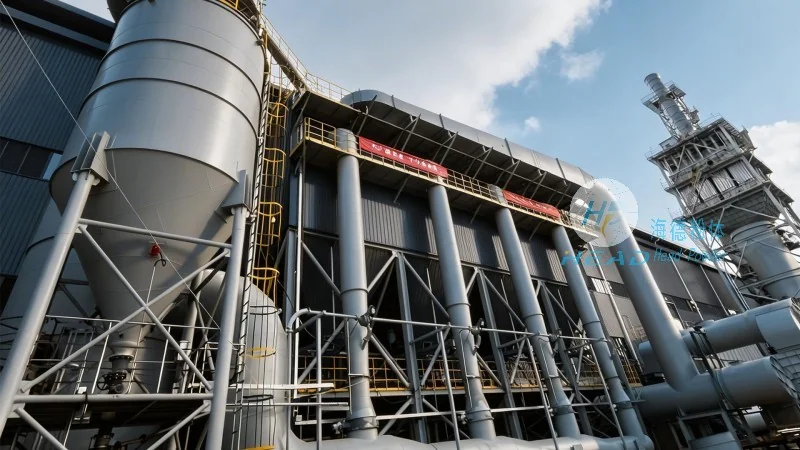
Shandong HeadPowder Engineering Co., Ltd. specializes in providing customized fly ash conveying solutions tailored to the specific needs of industrial clients. With years of experience in bulk material handling, HeadPowder offers comprehensive services, including system design, installation, and maintenance. The company's engineers work closely with clients to assess their operational requirements, material characteristics, and site conditions to select the most appropriate conveying method. HeadPowder's solutions are designed to optimize efficiency, reduce operational costs, and ensure compliance with environmental regulations. The company utilizes advanced technology and high-quality materials to ensure the durability and reliability of its conveying systems. Whether clients require pneumatic, belt, or pipeline systems, HeadPowder provides tailored solutions that meet their specific needs and budget constraints.
Conclusion
In conclusion, the choice of fly ash conveying method depends on various factors, including the material's properties, transport distance, and operational requirements. Pneumatic conveying offers flexibility and dust control, while belt conveyors provide high capacity and low maintenance. Pipeline conveying is ideal for long-distance transport over challenging terrains. Shandong HeadPowder Engineering Co., Ltd. is a trusted partner for clients seeking reliable and efficient fly ash conveying solutions. With its expertise and commitment to quality, HeadPowder helps industrial operations optimize their material handling processes, reduce costs, and enhance overall productivity. For more information on fly ash conveying systems and HeadPowder's services, please contact us at our headquarters in Shandong, China.




