When it comes to the efficient and reliable transportation of polypropylene resin powder, various methods are available to suit different industrial needs. Understanding the appropriate conveying techniques is crucial for maintaining product quality, minimizing downtime, and optimizing operational costs. This article explores several effective methods for polypropylene resin powder conveyance, highlighting the key considerations and applications.
Understanding Polypropylene Resin Powder Conveyance
Polypropylene resin powder is widely used in manufacturing processes due to its versatility and performance characteristics. The material's fine particle size and potential for static accumulation require specialized handling to prevent clogging, dust generation, and material degradation. Proper conveyance systems ensure that the resin reaches the processing equipment in a controlled manner, maintaining its integrity throughout the transport process. The choice of conveying method depends on factors such as the material's properties, the distance to be covered, the required flow rate, and the environmental constraints of the facility.
Common Conveying Methods for Polypropylene Resin Powder
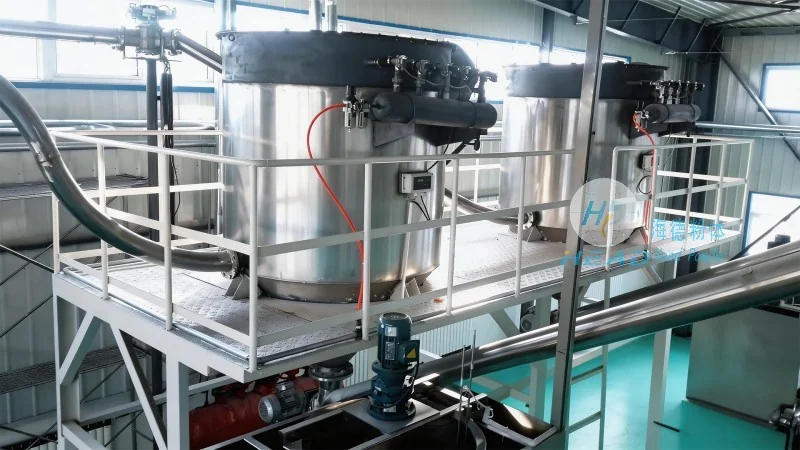
Several established techniques are commonly employed for polypropylene resin powder transport. One of the most popular methods is pneumatic conveying, which uses air pressure to move the material through a pipeline. This approach is particularly effective for fine powders like polypropylene resin, as it minimizes material degradation and allows for flexible system designs. Pneumatic conveyors can be categorized into pressure and vacuum systems, each offering distinct advantages based on the application requirements. For instance, pressure systems are ideal for short to medium distances and high flow rates, while vacuum systems are better suited for longer distances or when material needs to be drawn from multiple sources.
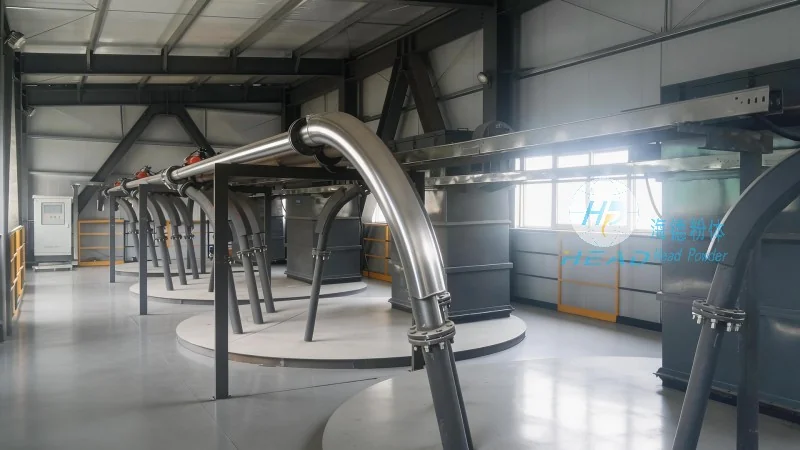
Another widely used method is screw or auger conveyors. These mechanical systems utilize rotating screws to push the resin powder along a tube or trough. Screw conveyors are particularly effective for horizontal or slightly inclined transport, providing a continuous and controlled flow. They are often preferred in applications where the material needs to be mixed or blended with other components during transport. The design of the screw, including its pitch and diameter, is critical to achieving the desired flow rate and preventing material buildup or clogging. Proper maintenance and lubrication of the screw mechanism are essential to ensure long-term reliability and efficiency.
Vibrating conveyors represent a third option for polypropylene resin powder transport. These systems use vibrations to move the material along a trough or conveyor belt. The vibration frequency and amplitude are carefully calibrated to match the material's characteristics, ensuring smooth and consistent movement. Vibrating conveyors are particularly useful for handling materials with poor flow properties or those prone to bridging. They are also effective in preventing material accumulation at the discharge point, which can lead to blockages or uneven flow. The design of the vibration mechanism, including the type of motor and the mounting of the conveyor, plays a significant role in the system's performance and durability.
Key Considerations for Selecting a Conveying System
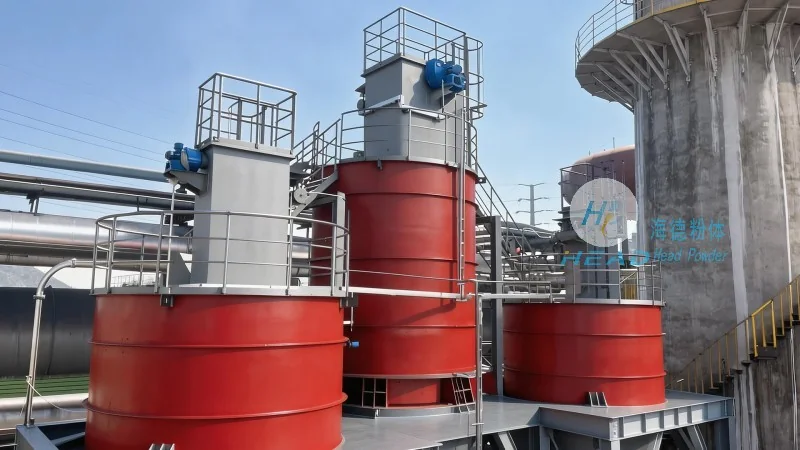
When selecting a conveying system for polypropylene resin powder, several factors must be carefully evaluated. First, the material's physical properties, such as particle size distribution, moisture content, and static charge, significantly impact the choice of equipment. For example, highly static-prone materials may require anti-static measures in the conveying system to prevent dust accumulation and equipment damage. Second, the operational parameters, including the required flow rate, distance, and elevation change, must align with the system's capabilities. Oversizing or undersizing the conveyor can lead to inefficiencies or equipment failure. Third, the environmental and safety considerations, such as dust control and explosion protection, are critical, especially in facilities handling combustible powders like polypropylene resin. Proper sealing and filtration systems are essential to maintain air quality and comply with regulatory standards.
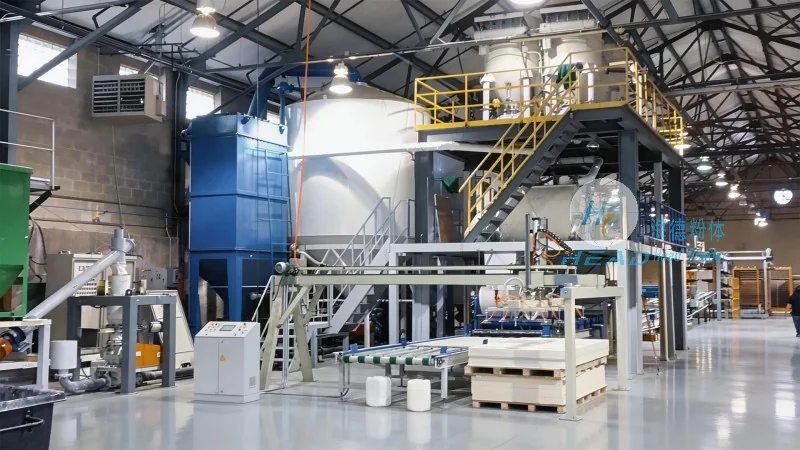
Additionally, the integration of the conveying system with the overall production process is a key consideration. The system should be compatible with existing equipment and allow for easy integration of control mechanisms. Automation and monitoring features can enhance operational efficiency and provide real-time data on system performance. For instance, sensors can detect blockages or changes in flow rate, triggering alarms or automatic adjustments to maintain optimal operation. The choice of materials for the conveyor components, such as stainless steel or specialized plastics, is also important to ensure compatibility with the polypropylene resin and prevent chemical reactions or contamination.
Conclusion
In conclusion, the effective conveyance of polypropylene resin powder is essential for maintaining product quality and operational efficiency in manufacturing processes. Various methods, including pneumatic, screw, and vibrating conveyors, offer distinct advantages and are selected based on specific application requirements. Proper system design, considering material properties, operational parameters, and safety considerations, ensures reliable and efficient transport. By choosing the appropriate conveying method and implementing proper maintenance and control measures, manufacturers can optimize their production processes and minimize downtime. The expertise of companies like Shandong HeadPowder Engineering Co., Ltd. in designing and implementing specialized conveying solutions plays a crucial role in achieving these objectives, providing tailored systems that meet the unique needs of each industrial application.




