Bamboo powder, a versatile material used in various industries such as paper manufacturing, animal feed, and construction, requires efficient and reliable conveying systems to ensure smooth production processes. The choice of conveying method significantly impacts operational efficiency, material quality, and overall cost-effectiveness. This article provides a detailed comparison of common bamboo powder conveying methods, focusing on their applications, advantages, and suitability for different industrial settings.
1. Screw Conveyors for Bamboo Powder Handling
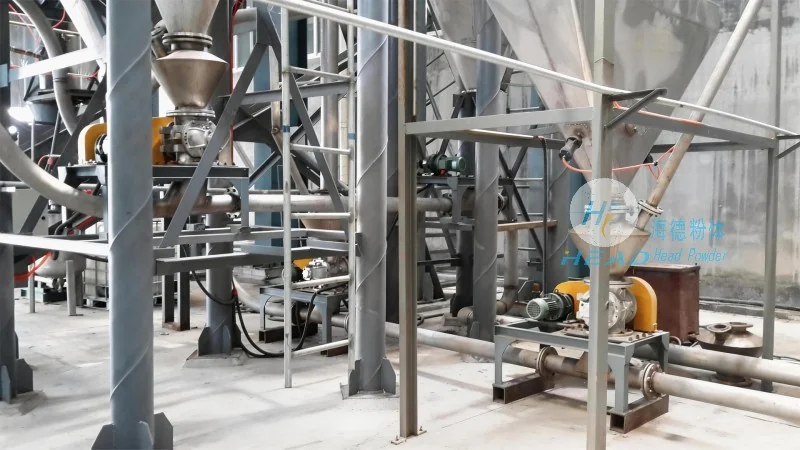
One of the most widely used methods for transporting bamboo powder is the screw conveyor, also known as an auger conveyor. This equipment consists of a rotating helical screw inside a cylindrical tube, which moves material from one end to the other through gravitational force and the screw's rotation. Screw conveyors are particularly effective for handling dry, free-flowing materials like bamboo powder, as they can transport materials at a consistent rate without the need for additional power beyond the motor driving the screw. The design allows for vertical or horizontal transport, making them versatile for various layouts. A key advantage of screw conveyors is their ability to handle materials with a wide range of particle sizes, from fine powders to larger granules, without significant blockages. However, they may not be suitable for very fine or cohesive powders, as these can lead to increased friction and potential clogging. The equipment is also relatively low-maintenance, with minimal moving parts, and can be easily integrated into existing production lines. For companies like Shandong HeadPowder Engineering Co., Ltd., screw conveyors offer a cost-effective solution for bamboo powder transport, especially in applications where material is moved over short distances or within enclosed spaces.
2. Pneumatic Conveying Systems for Bamboo Powder
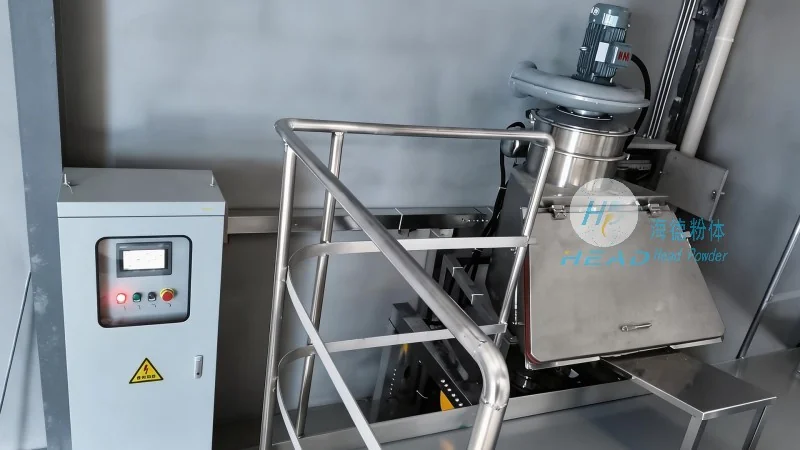
Pneumatic conveying, or air-powered transport, is another popular method for bamboo powder handling. This system uses compressed air to move material through a pipeline, either in a dilute-phase (where particles are suspended in the air stream) or dense-phase (where particles are more concentrated) configuration. Dilute-phase systems are ideal for transporting fine powders over medium to long distances, as they can maintain a consistent flow rate and minimize material degradation. Dense-phase systems, on the other hand, are better suited for handling cohesive or abrasive materials, as they reduce the risk of particle attrition and blockages. Pneumatic conveyors offer several advantages, including the ability to transport materials vertically and horizontally, and the option to integrate multiple conveying lines into a single system. They are also suitable for applications requiring dust control, as the material is contained within the pipeline. However, pneumatic systems require higher energy consumption compared to mechanical conveyors, and the initial investment can be higher due to the need for air compressors and filtration systems. Additionally, they may not be as effective for very large volumes of material, as the air flow rate must be carefully controlled to prevent material settling. For industrial applications, pneumatic conveying is often chosen when the need for dust-free transport and the ability to handle materials in enclosed spaces are critical factors.
3. Belt Conveyors in Bamboo Powder Transportation
Belt conveyors are a traditional and reliable method for transporting bamboo powder, particularly in bulk material handling applications. This system consists of a continuous loop of belt supported by rollers, which moves material along the length of the conveyor. Belt conveyors are capable of handling large volumes of material over long distances, making them suitable for applications such as raw material intake or finished product discharge. They are also relatively simple to install and maintain, with components that are readily available and easy to replace. The design allows for horizontal or inclined transport, and the speed of the conveyor can be adjusted to match production requirements. A key advantage of belt conveyors is their ability to handle a wide range of material types, including abrasive or sticky materials, without causing excessive wear. However, they may not be as efficient for fine powders, as the material can easily fall through the belt or cause slippage. Additionally, belt conveyors require regular cleaning to prevent material buildup and maintain performance. For companies like Shandong HeadPowder Engineering Co., Ltd., belt conveyors are often used in combination with other equipment, such as hoppers or feeders, to ensure smooth material flow. They are particularly effective in applications where the material is to be transported over long distances or at high volumes, such as in paper mills or feed production facilities.
4. Comparison of Conveying Methods: Key Factors to Consider
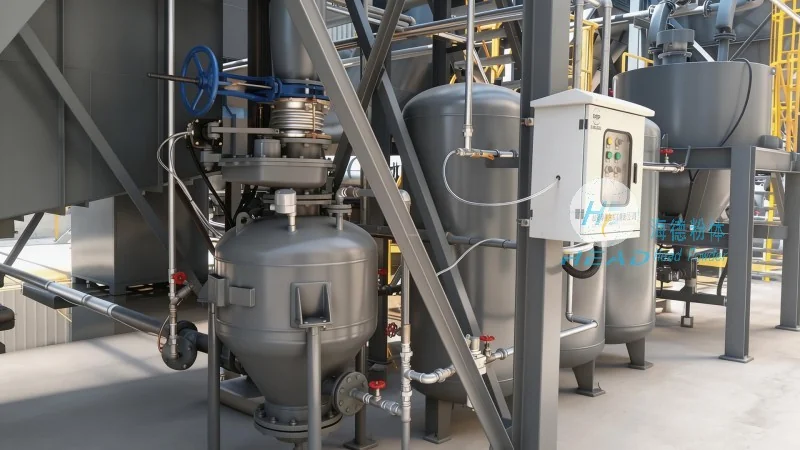
When selecting a bamboo powder conveying method, several factors must be considered to ensure the most suitable choice for a specific application. The first factor is the material characteristics, including particle size, moisture content, and cohesive properties. Fine, dry powders are better suited for screw or pneumatic conveyors, while larger or bulkier materials may benefit from belt conveyors. The second factor is the distance and layout of the transport system. Short distances or enclosed spaces may favor screw conveyors, while longer distances or outdoor applications may require pneumatic or belt conveyors. The third factor is the need for dust control and environmental considerations. Pneumatic systems are ideal for dust-free transport, while belt conveyors may require additional dust suppression measures. The fourth factor is the initial cost and maintenance requirements. Screw conveyors are generally the most cost-effective option, while pneumatic systems have higher energy and maintenance costs. Ultimately, the choice of conveying method depends on a combination of these factors, and it is essential to evaluate each option based on the specific requirements of the bamboo powder handling process.




