

Principle of Magnesium Oxide Powder Pneumatic Conveying System
HeadPowder, a leading enterprise in the field of powder handling technology, specializes in the design, manufacturing, and implementation of advanced pneumatic conveying systems. This article delves into the fundamental principles behind the magnesium oxide powder pneumatic conveying system, highlighting the technical aspects, operational efficiency, and practical applications that define this critical equipment in industrial settings.
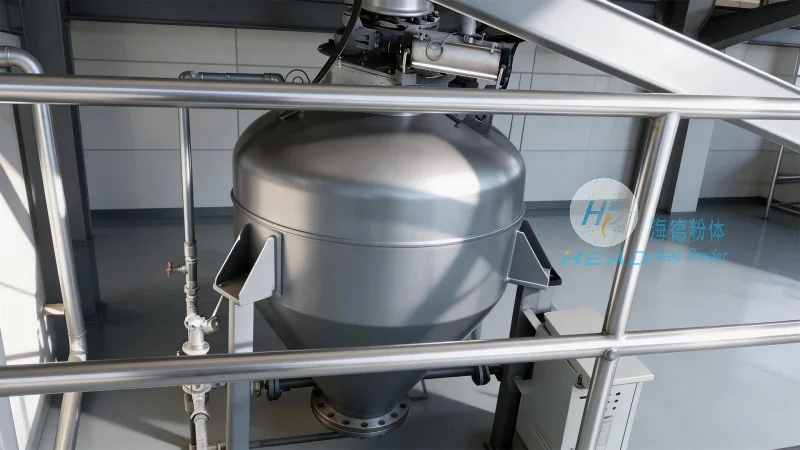
Understanding Pneumatic Conveying Systems
Pneumatic conveying systems utilize air or other gases to transport bulk materials, such as powders, granules, and fine particles, from one location to another. The core principle involves creating a pressure differential that propels the material through a pipeline. In the case of magnesium oxide powder, which is a fine, abrasive, and often hygroscopic material, the system must be engineered to handle these specific characteristics while ensuring minimal product degradation and efficient transport.
The Role of Magnesium Oxide Powder in Industrial Applications
Magnesium oxide (MgO), commonly known as magnesia, is a versatile chemical compound with applications spanning from refractory materials to pharmaceuticals and environmental remediation. Its fine powder form requires specialized handling to maintain purity and prevent caking or agglomeration. The pneumatic conveying system addresses these challenges by providing a controlled environment for material transport, minimizing exposure to moisture and contaminants that could affect the powder's quality.
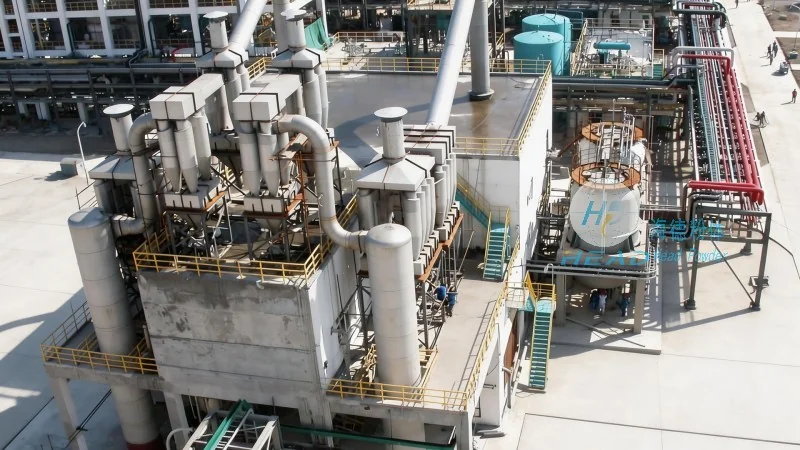
Key Components of the Pneumatic Conveying System
The magnesium oxide powder pneumatic conveying system typically consists of several critical components, each playing a vital role in the overall operation. These include the material feed hopper, which stores and feeds the powder into the system; the air compressor or blower, which generates the necessary air pressure; the conveying line, which transports the material; and the discharge hopper or silo, where the material is collected at the destination. Additionally, the system may incorporate components like rotary valves, filters, and pressure regulators to ensure smooth and efficient operation.
Operational Principles and Efficiency
The operation of the pneumatic conveying system for magnesium oxide powder relies on the principles of fluidization and drag flow. In fluidization, the air flow through the conveying line creates a suspension of the powder particles, allowing them to move as a fluid. This method is particularly effective for fine powders like magnesium oxide, as it minimizes particle degradation and ensures consistent flow rates. The system's efficiency is further enhanced by the use of positive pressure or negative pressure (suction) modes, depending on the application requirements and distance between the source and destination.
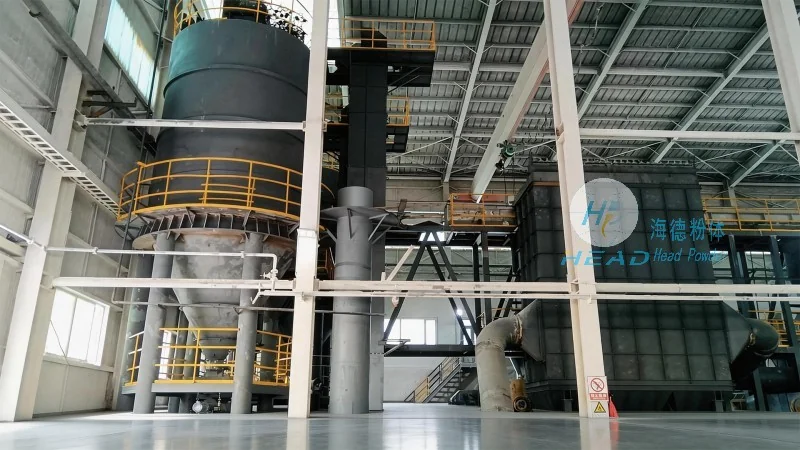
Advantages of the Magnesium Oxide Powder Pneumatic Conveying System
Implementing a pneumatic conveying system for magnesium oxide powder offers several advantages over traditional methods like bucket elevators or belt conveyors. These benefits include reduced material handling time, lower labor costs, and improved product quality due to minimized exposure to external factors. The system also allows for flexible routing, enabling the transport of material to multiple destinations from a single source. Furthermore, the enclosed nature of the system helps maintain a clean and safe working environment, which is crucial when handling fine powders that can pose inhalation risks.
Application Examples and Industrial Use Cases
The magnesium oxide powder pneumatic conveying system is widely used in various industrial sectors. In the refractory industry, it facilitates the transport of magnesia-based raw materials to kilns and processing equipment. In pharmaceutical manufacturing, the system ensures the safe and hygienic transfer of magnesium oxide powder for use in drug formulations. Additionally, in environmental applications, such as wastewater treatment, the system helps transport magnesium oxide as a coagulant or flocculant, improving treatment efficiency. These examples highlight the system's adaptability and importance in diverse industrial processes.
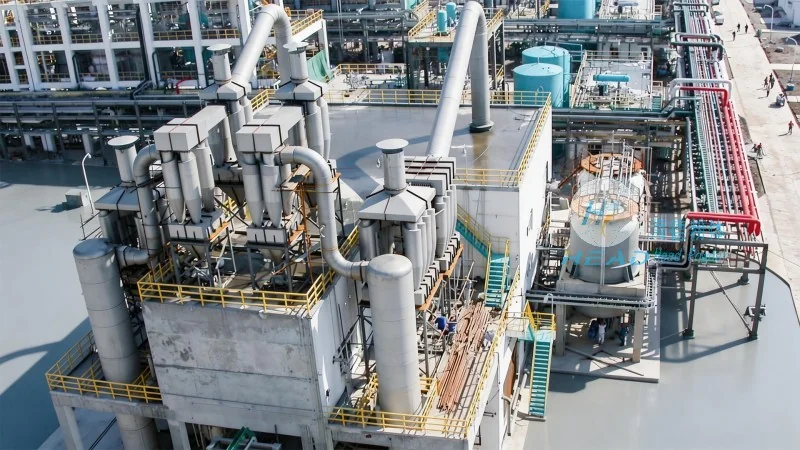
Company Overview: Shandong HeadPowder Engineering Co., Ltd.
HeadPowder, formally known as Shandong HeadPowder Engineering Co., Ltd., is a professional manufacturer and supplier of pneumatic conveying systems and related equipment. With its headquarters in Shandong, China, the company has established itself as a trusted partner in the powder handling industry, offering customized solutions tailored to the specific needs of clients. The company's expertise lies in the design and implementation of efficient, reliable, and cost-effective systems that meet the highest standards of performance and safety.
Conclusion
The magnesium oxide powder pneumatic conveying system represents a sophisticated solution for the efficient and safe transport of fine powders in industrial applications. By leveraging advanced pneumatic technology, this system addresses the unique challenges associated with handling magnesium oxide powder, ensuring minimal product degradation and optimal operational efficiency. As a leading provider in the field, Shandong HeadPowder Engineering Co., Ltd. continues to innovate and deliver high-quality systems that meet the evolving needs of the industry.