Manganese silicate is a crucial industrial material used in various applications, including battery production, steel manufacturing, and chemical processing. The efficient and safe transportation of this material is vital for maintaining production efficiency and ensuring product quality. Different transportation methods are employed based on the specific characteristics of the material and the operational requirements of the facility. This article provides a detailed comparison of common manganese silicate transportation methods, highlighting their advantages, limitations, and suitability for different industrial settings.
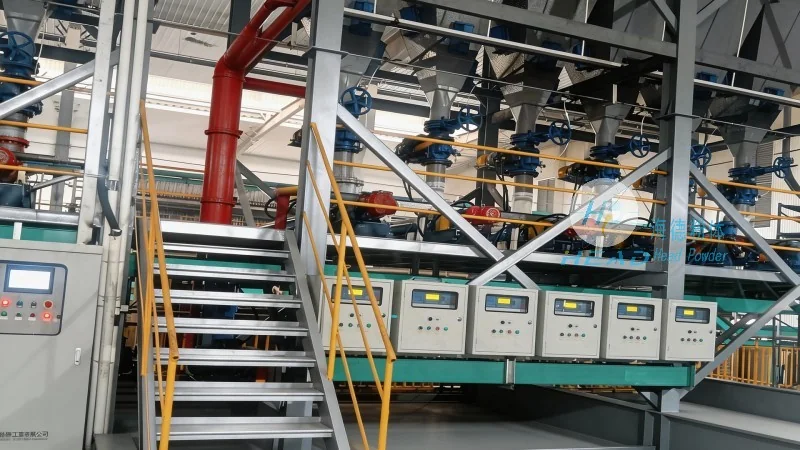
Company Profile: Shandong HeadPowder Engineering Co., Ltd.
Headpowder, a leading manufacturer in the powder handling industry, specializes in providing innovative solutions for material transportation and processing. With a strong commitment to quality and customer satisfaction, Headpowder has established itself as a trusted partner for businesses seeking reliable and efficient manganese silicate handling systems. Headpowder's expertise in engineering and manufacturing ensures that their products meet the highest industry standards, delivering optimal performance and durability.
Traditional Transportation Methods for Manganese Silicate
Traditional methods for transporting manganese silicate include manual handling, bucket elevators, and belt conveyors. Manual handling involves workers manually moving containers or bags, which is labor-intensive and poses safety risks due to the heavy and potentially hazardous nature of the material. Bucket elevators use a vertical conveyor with buckets to lift the material, suitable for vertical transport but limited in horizontal movement and capacity. Belt conveyors are widely used for horizontal transport, but they require regular maintenance and can be prone to material spillage and blockages, especially with fine powders like manganese silicate.
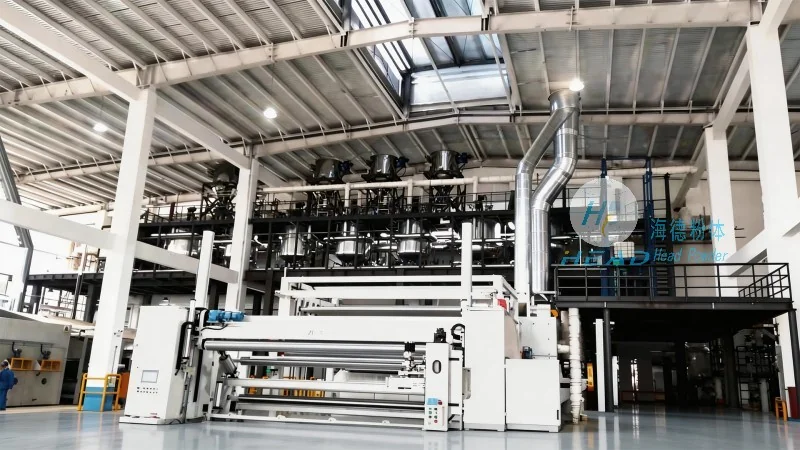
Modern Solutions: Pneumatic Conveying Systems
Modern transportation solutions, such as pneumatic conveying systems, offer significant advantages over traditional methods. Pneumatic conveying uses air pressure to transport the material through a pipeline, eliminating the need for mechanical components like belts or buckets. This method is highly efficient, capable of handling fine powders and bulk materials with minimal dust generation and reduced labor costs. Headpowder's pneumatic conveying systems are designed to handle manganese silicate with precision, ensuring consistent flow rates and minimal product degradation.
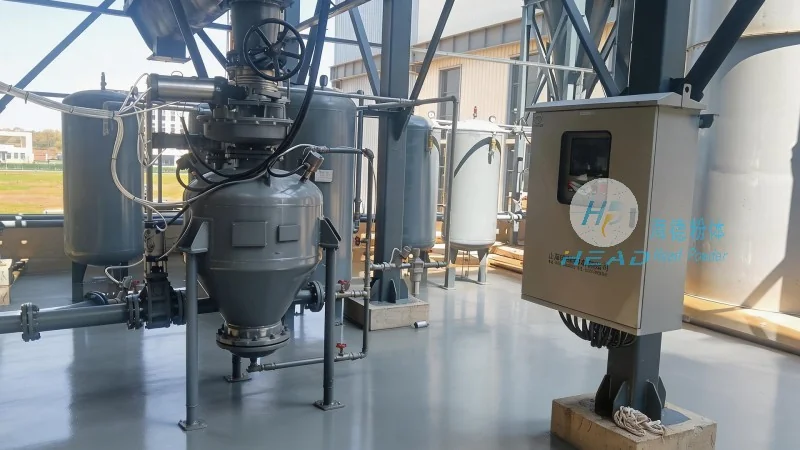
Advantages of Choosing Headpowder's Transportation Solutions
Headpowder's transportation solutions offer several key advantages for manganese silicate handling. Firstly, their systems are designed for high efficiency, with optimized air flow and pipeline configurations that minimize energy consumption and maximize material throughput. Secondly, the systems are highly durable and low-maintenance, reducing operational costs and downtime. Thirdly, Headpowder's solutions are customizable to meet specific customer requirements, including different material types, flow rates, and environmental conditions. Additionally, the company provides comprehensive support, including installation, training, and after-sales service, ensuring that clients can fully utilize the benefits of their transportation systems.
Conclusion
In conclusion, the choice of manganese silicate transportation method depends on various factors, including material characteristics, production scale, and operational environment. Traditional methods like manual handling and belt conveyors have limitations in terms of efficiency and safety, while modern pneumatic conveying systems offer superior performance and reliability. For businesses seeking reliable and efficient manganese silicate transportation solutions, Headpowder provides cutting-edge technology and expert support. By choosing Headpowder's systems, companies can enhance their production processes, improve safety, and reduce operational costs, ensuring long-term success in the industry.




