When it comes to material handling in industrial settings, the choice of conveying system can significantly impact efficiency, durability, and overall operational costs. Among the various options available, polyurethane-based solutions stand out for their versatility and performance. This article provides a detailed comparison of common polyurethane conveying methods, helping businesses select the most suitable system for their specific needs.
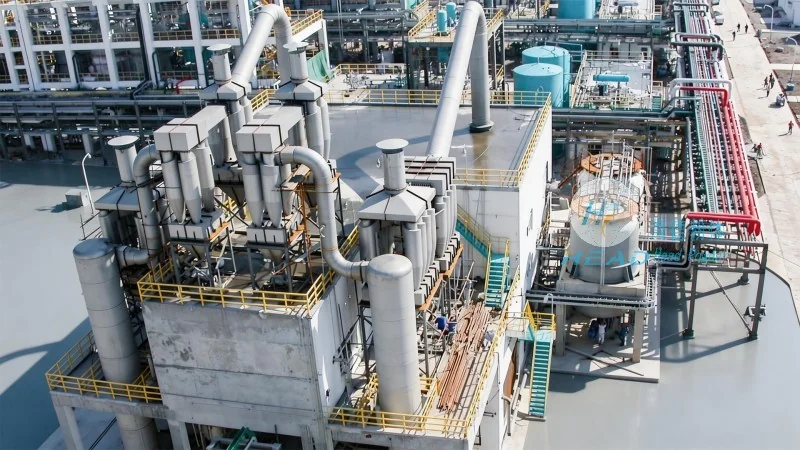
Understanding Polyurethane Conveying Systems: A Comparative Overview
Polyurethane is a synthetic polymer known for its excellent abrasion resistance, flexibility, and chemical resistance. These properties make it an ideal material for conveyor components, especially in environments where traditional rubber or metal parts may wear out quickly. The Shandong HeadPowder Engineering Co., Ltd., a leading manufacturer based in China, specializes in designing and producing high-quality polyurethane conveying equipment tailored to diverse industrial applications.
1. Belt Conveyors: The Workhorse of Material Handling
Belt conveyors are one of the most widely used polyurethane conveying systems, particularly in industries such as food processing, pharmaceuticals, and logistics. These systems consist of a continuous loop of polyurethane belt that moves materials from one point to another. The key advantages of polyurethane belt conveyors include their ability to handle a wide range of materials, from lightweight powders to heavy bulk items. The smooth surface of the polyurethane belt reduces friction and wear, extending the lifespan of the conveyor. Additionally, polyurethane belts are easy to clean and maintain, making them suitable for hygienic applications. The Shandong HeadPowder Engineering Co., Ltd. offers custom-designed polyurethane conveyor belts with varying thicknesses and widths to meet specific load requirements and operational conditions.
2. Screw Conveyors: Efficient for Bulk Material Transport
Screw conveyors, also known as auger conveyors, are another popular polyurethane conveying solution, ideal for transporting bulk materials like grains, powders, and granules. These systems use a rotating helical screw to move materials along a closed tube. The polyurethane screw and housing provide excellent resistance to abrasion and corrosion, ensuring long-term performance. Screw conveyors are particularly effective for vertical or inclined material transport, as they can lift materials without the need for additional equipment. The Shandong HeadPowder Engineering Co., Ltd. manufactures polyurethane screw conveyors with adjustable pitch and speed, allowing for precise control over material flow rates. This flexibility makes screw conveyors suitable for both continuous and intermittent operations.
3. Pneumatic Conveying: Flexible and Versatile for Diverse Materials
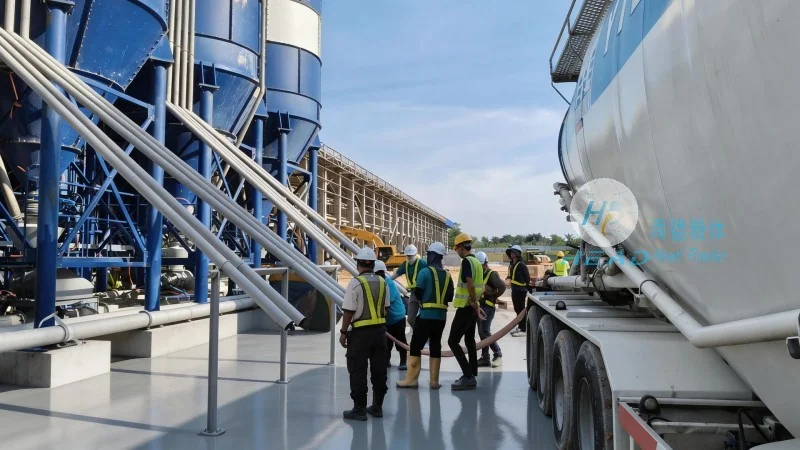
Pneumatic conveying systems use air or other gases to transport materials through a network of pipes. Polyurethane components, such as hoses and ducts, are commonly used in these systems due to their flexibility and resistance to chemical exposure. Pneumatic conveying is particularly advantageous for handling delicate or sensitive materials, as it eliminates mechanical contact and reduces the risk of product damage. This method is widely used in the food, pharmaceutical, and chemical industries for transporting powders, granules, and fine particles. The Shandong HeadPowder Engineering Co., Ltd. provides polyurethane pneumatic conveying systems with high-pressure capabilities and custom-designed ductwork to ensure efficient material transport over long distances or complex routes.
4. Roller Conveyors: Ideal for Lighter Loads and Smooth Material Movement
Roller conveyors are a simple yet effective polyurethane conveying solution, commonly used for transporting packaged goods, boxes, and other lightweight items. These systems consist of a series of rollers mounted on a frame, with polyurethane or rubber rollers providing smooth movement. The polyurethane rollers are durable and resistant to wear, ensuring consistent performance even under heavy loads. Roller conveyors are often used in combination with other conveying systems to create automated material handling lines. The Shandong HeadPowder Engineering Co., Ltd. offers modular polyurethane roller conveyor systems that can be easily integrated into existing production lines, providing flexibility and scalability for growing businesses.
Choosing the Right Polyurethane Conveying System: Key Considerations
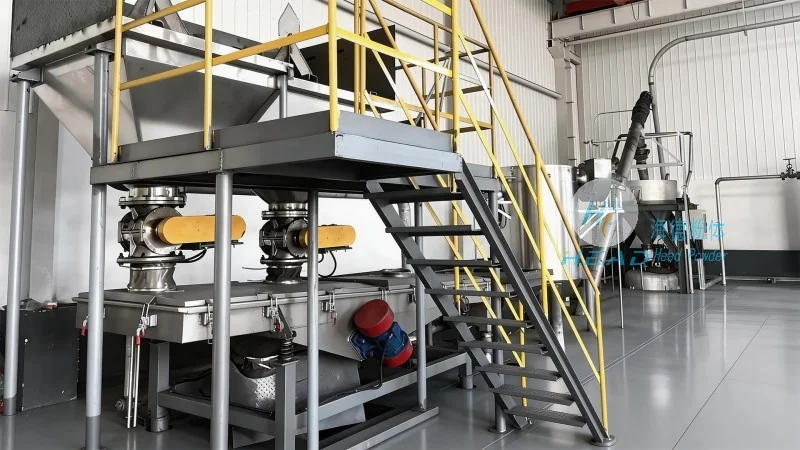
When selecting a polyurethane conveying system, several factors must be considered to ensure optimal performance and longevity. The first step is to assess the type and characteristics of the material being handled, including its size, shape, and moisture content. For example, abrasive materials may require a thicker polyurethane belt or screw, while lightweight powders may benefit from a pneumatic system. The operating environment, such as temperature and exposure to chemicals, also plays a crucial role in material selection. Additionally, the required capacity and speed of the conveyor should be matched to the production needs. The Shandong HeadPowder Engineering Co., Ltd. offers comprehensive consultation services to help clients evaluate their specific requirements and recommend the most suitable polyurethane conveying solution. By working closely with the company's engineering team, businesses can optimize their material handling processes and reduce operational costs.
Conclusion: The Benefits of Polyurethane Conveying Solutions
Polyurethane conveying systems offer numerous advantages over traditional materials, including enhanced durability, flexibility, and chemical resistance. The Shandong HeadPowder Engineering Co., Ltd. has established itself as a trusted provider of high-quality polyurethane conveying equipment, serving clients across various industries. By understanding the differences between belt, screw, pneumatic, and roller conveyors, businesses can make informed decisions that improve efficiency, reduce maintenance costs, and extend the lifespan of their material handling systems. Whether you need a standard conveyor or a custom-designed solution, the Shandong HeadPowder Engineering Co., Ltd. is committed to delivering reliable and effective polyurethane conveying systems that meet your unique needs.




