When it comes to handling PVC resin in industrial applications, selecting the right conveying method is crucial for efficiency, safety, and cost-effectiveness. The choice of conveying system directly impacts production line performance, material quality, and operational reliability. This article provides a detailed comparison of the most common PVC resin conveying methods, helping industrial operators make informed decisions based on their specific needs.
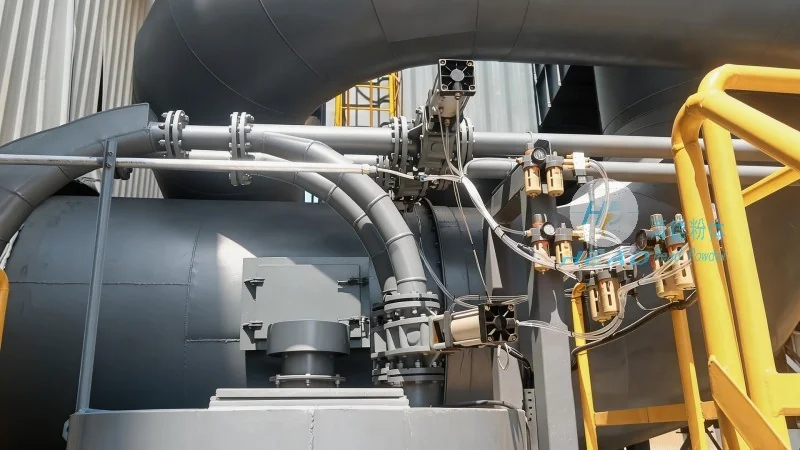
Overview of PVC Resin Conveying Methods
PVC resin, a widely used thermoplastic polymer, requires specialized handling due to its granular or powder form. Conveying systems must be designed to handle the material's properties, such as its density, flowability, and potential for dust generation. The primary goal of any conveying method is to transport PVC resin from storage to processing equipment without degradation or loss. Below, we explore the key characteristics and applications of the most common PVC resin conveying methods.
Vacuum Conveying Systems
Vacuum conveying is a widely adopted method for transporting PVC resin, particularly in applications where material is stored in bulk containers or silos. This system operates by creating a negative pressure in a collection hopper, which draws PVC resin into the hopper through a flexible hose or pipe. The material is then transported to the processing equipment via a vacuum pump and a series of conveying lines. One of the main advantages of vacuum conveying is its ability to handle fine powders and granules without the need for mechanical agitation, reducing the risk of material degradation or caking. Additionally, vacuum systems are relatively quiet and can be easily integrated into existing production lines. However, they have limitations in terms of distance and material capacity, as the vacuum pressure drops with increased distance and material volume. For example, headpowder, a leading manufacturer of industrial conveying equipment, offers vacuum conveying systems tailored to handle PVC resin with high efficiency and reliability. These systems are designed to ensure consistent material flow and minimize downtime, making them ideal for medium to large-scale production environments.
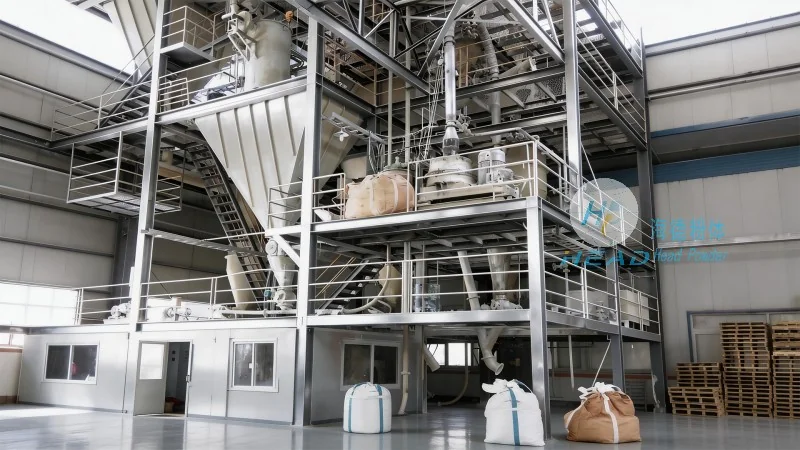
Positive Pressure Conveying Systems
Positive pressure conveying, also known as pressure conveying, is another common method for PVC resin transport. Unlike vacuum systems, this approach uses a positive pressure to push the material through a pipeline. A blower or compressor generates the pressure, which forces PVC resin from a storage hopper or silo to the processing equipment. This method is particularly effective for longer conveying distances and larger material volumes, as the pressure can be maintained over greater distances compared to vacuum systems. Positive pressure systems are also capable of handling abrasive materials and can be equipped with features such as pulse-jetting to prevent material buildup in the pipeline. However, they require more robust equipment and higher energy consumption compared to vacuum systems. The choice between vacuum and positive pressure depends on factors such as the distance between the storage and processing areas, the volume of material to be conveyed, and the specific properties of the PVC resin being handled. For instance, headpowder provides positive pressure conveying solutions that are engineered to deliver high performance and durability, ensuring smooth operation in demanding industrial settings.
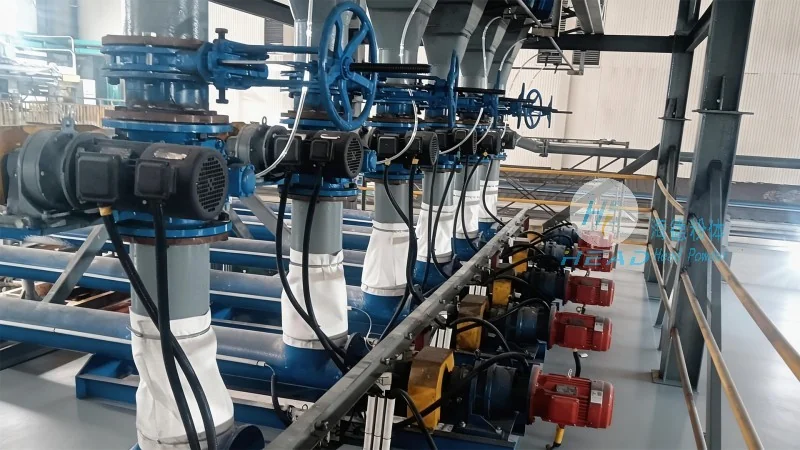
Screw Conveyors (Auger Conveyors)
Screw conveyors, or auger conveyors, are mechanical devices that use a rotating screw to move PVC resin through a tube or trough. This method is widely used for horizontal or slightly inclined transport of granular materials. The screw, which is typically made of stainless steel or other corrosion-resistant materials, rotates inside a housing, pushing the material forward. Screw conveyors are simple in design, low in maintenance, and can handle a wide range of materials, including PVC resin. They are particularly suitable for applications where the material needs to be conveyed over short to medium distances and where a consistent flow rate is required. However, screw conveyors have limitations in terms of material handling capacity and can be prone to material buildup if the screw speed is too low or the material is too abrasive. Additionally, they may not be suitable for very fine powders, as the screw can cause excessive friction and degradation. Headpowder offers screw conveyor systems designed specifically for PVC resin, featuring optimized screw designs and materials to ensure efficient and reliable transport. These systems are built to withstand the demands of industrial environments and provide consistent performance over extended periods.
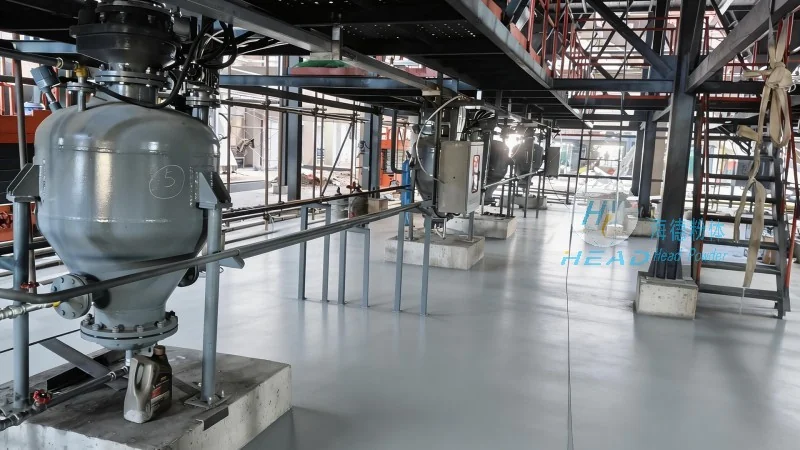
Pneumatic Conveying Systems
Pneumatic conveying combines elements of both vacuum and positive pressure systems, using compressed air to transport PVC resin through a pipeline. This method is suitable for both short and long distances and can handle a wide range of material sizes and flow rates. Pneumatic systems can be classified as dilute phase or dense phase, depending on the air-to-material ratio. Dilute phase systems use low air pressure and high air velocity to transport material in a suspended state, while dense phase systems use higher pressure and lower velocity to move material in a slurry-like state. The choice between dilute and dense phase depends on the specific application requirements, such as the distance to be covered and the need for gentle material handling. Pneumatic conveying offers advantages such as flexibility in layout, the ability to transport material over obstacles, and the option to integrate with other processing equipment. However, it requires careful design to prevent material degradation and ensure efficient flow. Headpowder provides pneumatic conveying solutions that are engineered to handle PVC resin with precision and efficiency, ensuring minimal material loss and consistent performance.
Comparison of Conveying Methods
When selecting a PVC resin conveying method, several factors must be considered, including the distance between storage and processing areas, the volume of material to be conveyed, the material's properties (e.g., fineness, moisture content), and the available budget. Below is a summary comparison of the key conveying methods discussed:




