When it comes to handling and transporting borax granules, selecting the right conveying method is crucial for efficiency, cost-effectiveness, and operational safety. Borax, a key chemical used in various industries including glass manufacturing, detergents, and agriculture, requires reliable systems to move it from storage to processing units. This article provides a detailed comparison of common borax granule conveying methods, focusing on their applications, advantages, and considerations for different industrial settings.
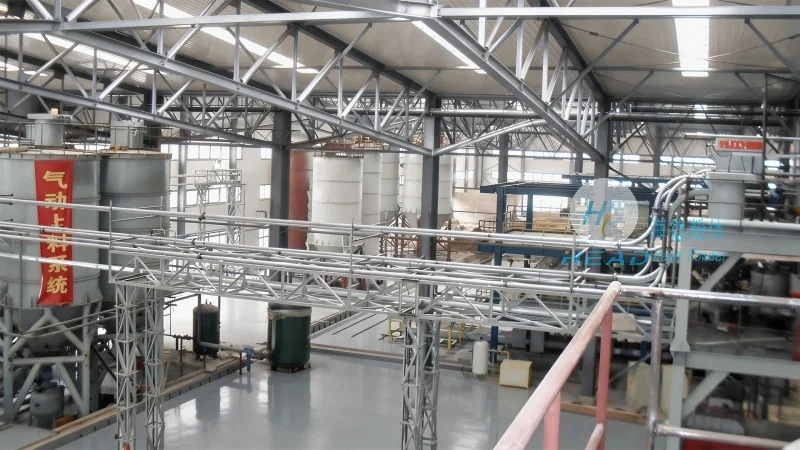
Overview of Borax Granule Conveying Methods
Borax granules are typically transported using mechanical or pneumatic systems. Mechanical conveyors rely on physical movement, such as rotation or vibration, while pneumatic systems use air pressure to move materials. The choice of method depends on factors like material properties, distance, volume, and environmental constraints. Below, we explore several widely used options and their suitability for borax granule handling.
Screw Conveyors for Borax Granules
Screw conveyors, also known as auger conveyors, are among the most common methods for transporting borax granules. These systems consist of a rotating screw (auger) inside a U-shaped or cylindrical trough. The screw rotates, pushing the granules forward through the trough. For borax granules, screw conveyors are particularly effective due to their ability to handle dry, free-flowing materials without the need for additional air or power beyond the motor driving the screw.
The primary advantages of screw conveyors include their simplicity, low maintenance, and ability to operate in vertical or horizontal configurations. They are well-suited for short to medium distances and can handle a wide range of particle sizes. However, screw conveyors may experience issues with material buildup or clogging if the granules are sticky or have high moisture content. Additionally, they are not ideal for long-distance transport as friction and material degradation can occur over extended periods.
Pneumatic Conveying Systems
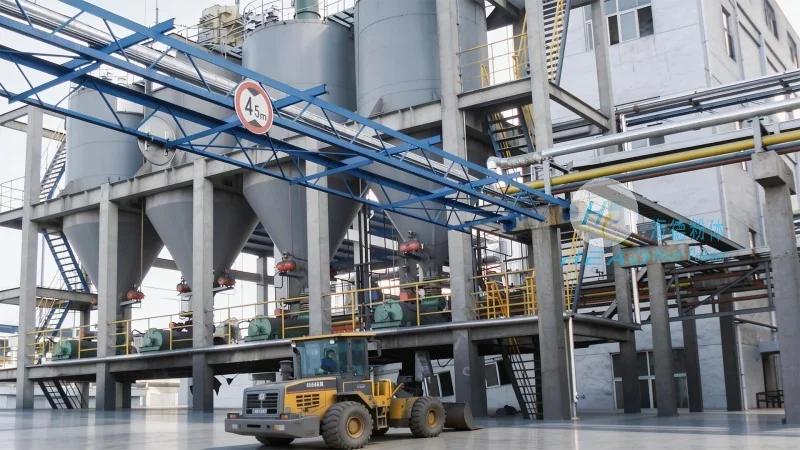
Pneumatic conveying, or air-based transport, uses compressed air to move borax granules through a pipeline. This method is particularly advantageous for transporting materials over longer distances or in environments where dust control is critical. There are two main types of pneumatic systems: pressure and vacuum. Pressure systems use positive pressure to push material through the line, while vacuum systems use negative pressure to pull material.
For borax granules, pressure pneumatic systems are often preferred due to their ability to handle larger volumes and more abrasive materials. These systems can transport granules at high speeds, reducing overall handling time. However, pneumatic conveying requires significant energy input to maintain air pressure and can be more expensive to install and maintain compared to mechanical systems. Additionally, they may not be suitable for very fine or lightweight granules that could be carried away by the air stream, leading to material loss.
Belt Conveyors in Borax Handling
Belt conveyors are another popular option for borax granule transport, especially in applications requiring long-distance movement or high throughput. These systems consist of a continuous belt that moves over rollers or pulleys, carrying the granules from one point to another. Belt conveyors are highly efficient for horizontal or slightly inclined transport and can handle large volumes of material with minimal maintenance.
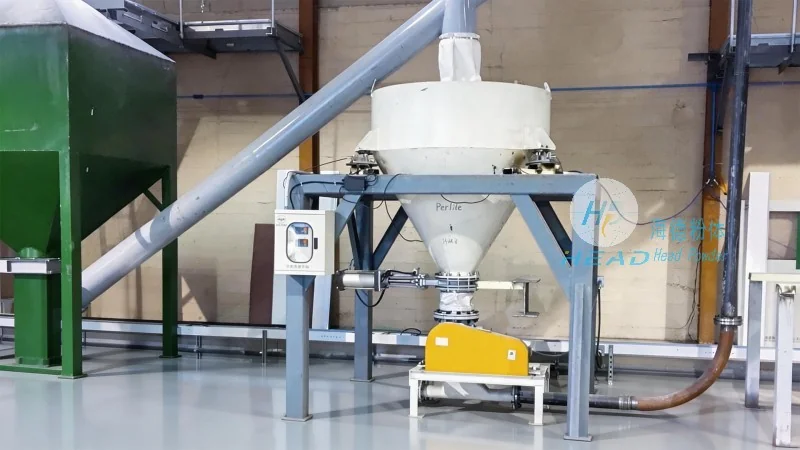
The main benefits of belt conveyors include their ability to transport materials over long distances (up to several hundred meters) and their low operational cost per unit. They are also suitable for transporting materials that are sensitive to impact or abrasion, as the belt provides a gentle surface for the granules. However, belt conveyors require regular inspection and maintenance to prevent belt wear or slippage. They are also less effective for vertical lifting compared to screw or pneumatic systems and may not be suitable for very fine granules that could fall through the belt's gaps.
Comparison and Selection Criteria
When choosing a borax granule conveying method, several factors must be considered to ensure optimal performance and cost-effectiveness. The key criteria include the distance to be covered, the volume of material to be transported, the physical properties of the granules (such as size, moisture content, and abrasiveness), and the environmental requirements of the facility.
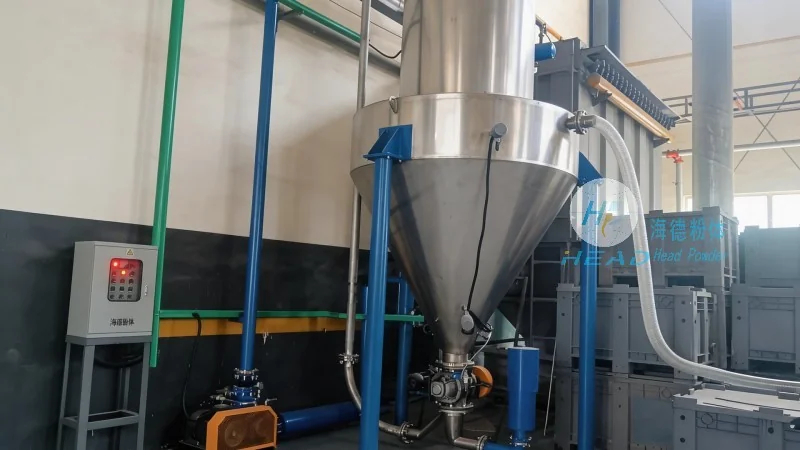
For short distances and moderate volumes, screw conveyors are often the most economical choice due to their low installation and maintenance costs. They are ideal for applications where the granules are dry and free-flowing. For longer distances or when dust control is a priority, pneumatic conveying systems may be more suitable, as they can transport materials efficiently over greater distances with minimal environmental impact.
Belt conveyors are best suited for high-volume, long-distance horizontal transport where the material is not overly abrasive or sticky. They are commonly used in bulk handling operations where reliability and efficiency are paramount. Ultimately, the selection of a conveying method should be based on a thorough analysis of the specific operational needs and constraints of the borax handling facility.
Conclusion
Each borax granule conveying method has its own set of advantages and limitations, making the choice dependent on the unique requirements of the application. By understanding the characteristics of screw conveyors, pneumatic systems, and belt conveyors, industrial operators can select the most appropriate technology to ensure efficient, safe, and cost-effective transport of borax granules. Proper maintenance and regular monitoring of the chosen system are essential to maximize its lifespan and performance.




