When it comes to the efficient and reliable transportation of gypsum powder and dust, selecting the right conveying method is crucial for industrial operations. Various technologies are available, each with its own advantages and applications. This article provides a detailed comparison of common gypsum powder conveying methods, helping businesses make informed decisions based on their specific needs.
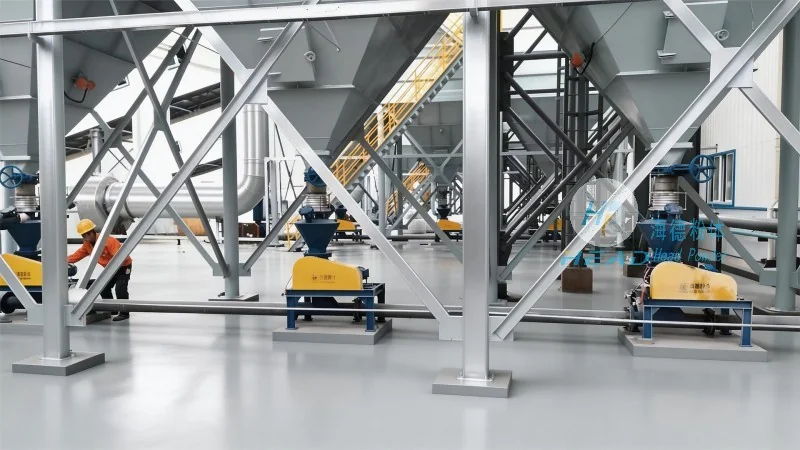
Overview of Gypsum Powder Conveying Systems
Gypsum powder, a key raw material in construction and manufacturing, requires specialized handling due to its fine particle size and potential for dust generation. Conveying systems must ensure minimal product loss, prevent clogging, and maintain air quality. The choice of method depends on factors such as material flow rate, distance, and environmental regulations.
Common Gypsum Powder Conveying Methods
Several methods are widely used in the industry, including pneumatic conveying, mechanical conveying, and hybrid systems. Each method has distinct characteristics that make it suitable for different scenarios.
Pneumatic Conveying Systems
Pneumatic conveying uses air or gas to transport material through a pipeline. This method is ideal for transporting gypsum powder over medium to long distances, especially when the material is dry and free-flowing. There are two main types: positive pressure and negative pressure systems.
Positive pressure systems push material through the pipeline using a blower or compressor, ensuring consistent flow and preventing dust accumulation. Negative pressure systems, on the other hand, create a vacuum to draw material into the system, which is effective for handling dusty or fine powders.
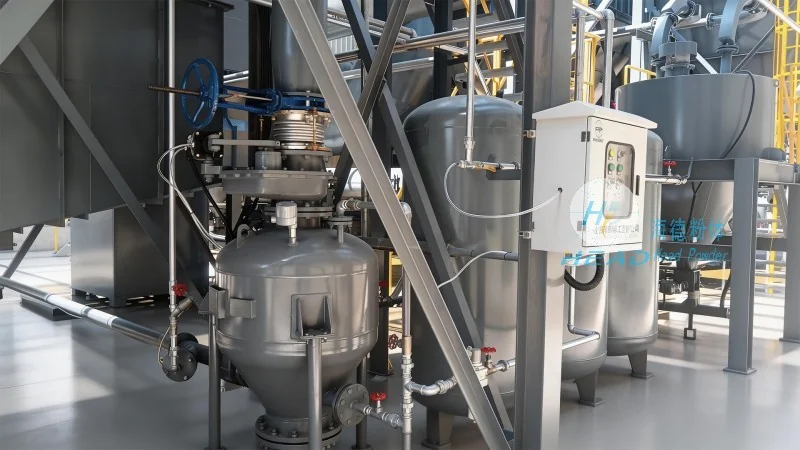
Key advantages of pneumatic conveying include high capacity, flexibility in layout, and the ability to transport materials over long distances without the need for multiple transfer points. However, it may require higher energy consumption and careful maintenance to prevent system blockages.
Mechanical Conveying Systems
Mechanical conveying relies on mechanical components like belts, screws, and buckets to move material. These systems are commonly used for shorter distances and bulk material handling. Screw conveyors, for instance, are widely used in gypsum processing plants due to their simplicity and effectiveness in handling dry powders.
Screw conveyors consist of a rotating screw inside a tube, which moves material forward through the system. They are suitable for horizontal or slight incline applications and can handle a wide range of particle sizes. However, they may experience clogging with very fine powders and require regular cleaning to maintain efficiency.
Belt conveyors are another option, particularly for transporting gypsum powder over longer horizontal distances. They are cost-effective and can handle large volumes, but they may not be suitable for very fine powders due to the risk of dust leakage and material degradation.
Hybrid Conveying Systems
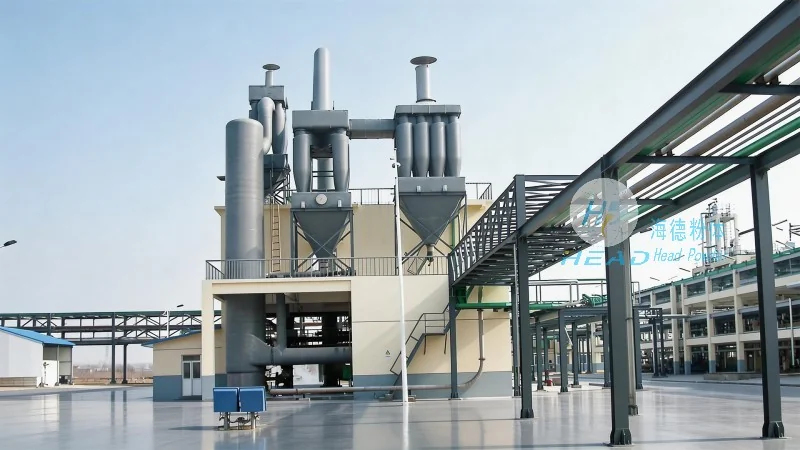
Hybrid systems combine elements of both pneumatic and mechanical conveying to leverage the strengths of each method. For example, a system might use a screw conveyor to transport material to a pneumatic section for final delivery. This approach is often used when a facility requires both bulk handling and long-distance transport.
Hybrid systems offer flexibility and can adapt to varying material conditions. They are particularly useful in complex industrial settings where multiple material types or processing stages are involved.
Factors to Consider When Choosing a Conveying Method
When selecting a gypsum powder conveying method, several factors must be evaluated. The first is the material's physical properties, such as particle size, moisture content, and flowability. Fine powders may require more specialized equipment to prevent clogging and ensure consistent flow.
Second, the distance and layout of the conveying system are critical. Pneumatic systems are better suited for long distances, while mechanical systems are more practical for shorter runs. The available space and infrastructure at the facility also play a role in the decision-making process.
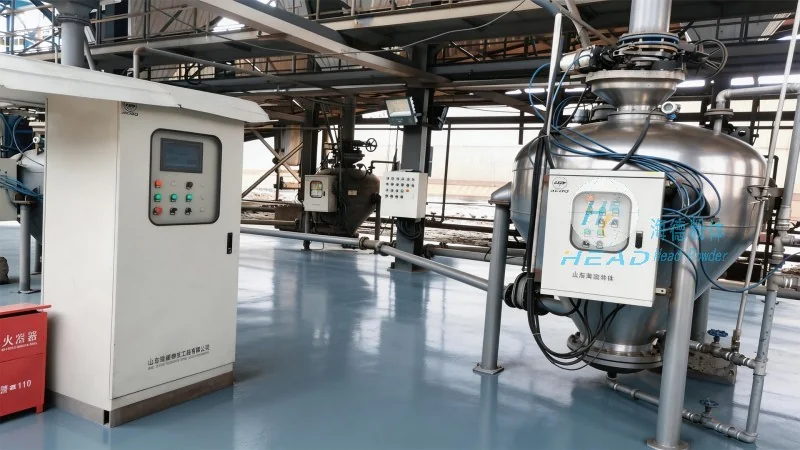
Third, operational costs and maintenance requirements should be considered. Pneumatic systems may have higher energy costs but lower maintenance for mechanical components. Mechanical systems, while potentially lower in energy use, may require more frequent maintenance to avoid breakdowns.
Finally, environmental regulations and safety considerations are essential. Gypsum dust can be a health hazard, so systems must include dust collection and filtration to comply with local and international standards. Proper ventilation and material containment are also necessary to prevent environmental contamination.
Conclusion
Selecting the appropriate gypsum powder conveying method is a critical decision for industrial operations. Pneumatic, mechanical, and hybrid systems each offer unique advantages and are suitable for different applications. By evaluating factors such as material properties, distance, and operational costs, businesses can choose the most efficient and reliable system for their needs.
Shandong HeadPowder Engineering Co., Ltd., a leading provider of gypsum processing solutions, specializes in designing and implementing customized conveying systems tailored to specific industrial requirements. With years of experience in the industry, HeadPowder offers expert guidance and high-quality equipment to ensure optimal performance and compliance with industry standards.




