When handling reduction iron powder, selecting the right conveying method is crucial for efficiency, material integrity, and operational safety. This article provides a detailed comparison of common methods used in industrial applications, focusing on their characteristics, advantages, and typical applications. The information is presented to help industrial operators and engineers make informed decisions based on specific process requirements.
About HeadPowder: Your Partner in Iron Powder Solutions
HeadPowder, operating as Shandong HeadPowder Engineering Co., Ltd., is a leading manufacturer and supplier of high-quality reduction iron powder and related engineering solutions. With a strong presence in China, particularly in Shandong, the company specializes in producing iron powders tailored for various industrial applications, including powder metallurgy, magnetic materials, and additive manufacturing. HeadPowder's commitment to quality and technical expertise makes it a trusted partner for businesses seeking reliable iron powder products and process optimization services.
1. Pneumatic Conveying Systems
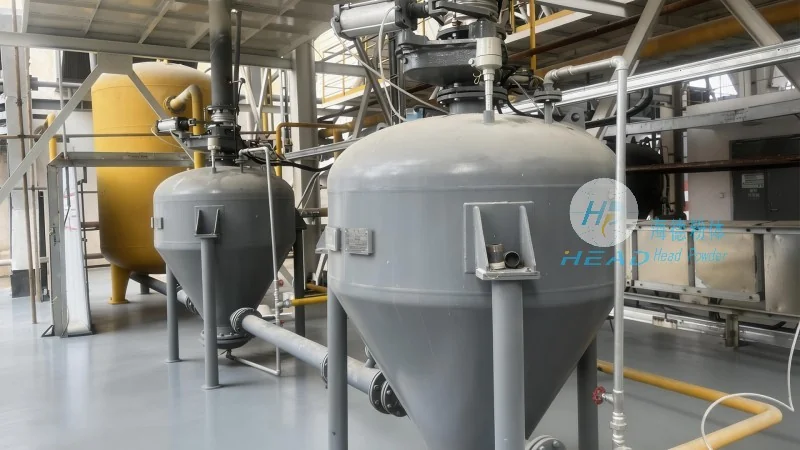
Pneumatic conveying, also known as air conveying, is a widely used method for transporting reduction iron powder due to its ability to handle fine powders over long distances. This system utilizes compressed air to move the powder through a pipeline. There are two main types: pressure and vacuum systems. Pressure systems push the powder with high-pressure air, while vacuum systems draw the powder using a vacuum pump. Pneumatic conveying offers advantages such as high speed, minimal material degradation, and the ability to transport powders in a closed system, reducing dust emissions. However, it requires careful design to prevent particle segregation and blockages, especially with cohesive or fine powders. The equipment includes hoppers, feeders, pipelines, and receivers, all designed to maintain consistent flow and prevent material buildup.
2. Screw Conveyors
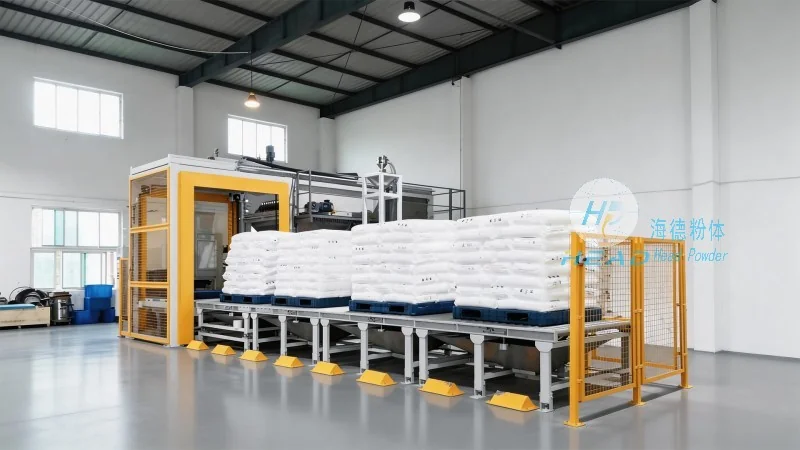
Screw conveyors, or auger conveyors, are mechanical devices that use a rotating screw to move reduction iron powder. The screw, typically made of stainless steel or other corrosion-resistant materials, rotates within a trough or tube, pushing the powder forward. Screw conveyors are suitable for horizontal or slightly inclined transport and are commonly used in applications where the powder needs to be elevated or moved over moderate distances. They offer advantages such as simplicity, low maintenance, and the ability to handle a wide range of powder types, including those with moisture or adhesives. However, they may not be suitable for very fine powders that can cause wear on the screw and trough, and they can generate heat due to friction, which may affect the powder's properties. Proper selection of screw speed and pitch is essential to prevent material degradation and ensure smooth operation.
3. Vibrating Conveyors
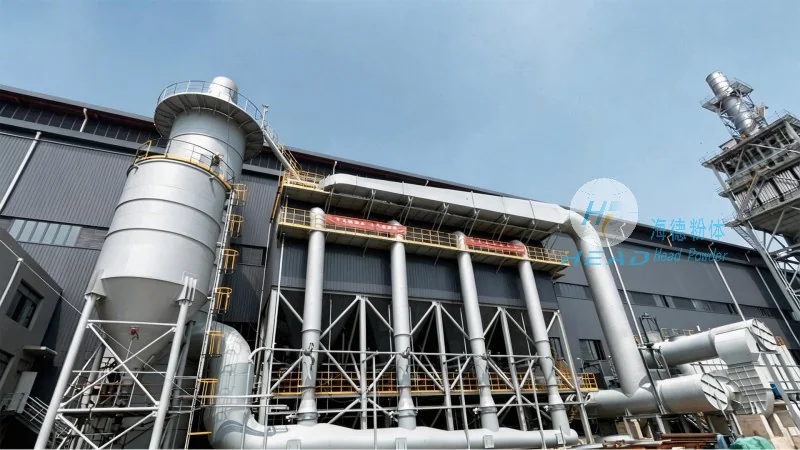
Vibrating conveyors use vibrations to move reduction iron powder along a trough. The conveyor is mounted on a frame with vibration motors or eccentrics that generate horizontal or vertical vibrations. The powder is moved by the combined effect of gravity and the vibrations, which cause the material to flow in a controlled manner. Vibrating conveyors are ideal for transporting bulk materials, including fine powders, over long distances with minimal maintenance. They offer advantages such as low power consumption, the ability to handle sticky or cohesive powders, and the capacity to transport materials at a steady rate. However, they may not be suitable for very fine powders that can cause excessive vibration and wear on the conveyor components. The design of the vibration frequency and amplitude is critical to ensure efficient material movement without damaging the powder.
Conclusion: Choosing the Right Conveying Method
Selecting the appropriate reduction iron powder conveying method depends on several factors, including the powder's properties (particle size, moisture content, cohesion), the required transport distance, the desired speed, and the available space. Pneumatic conveying is ideal for long-distance transport and fine powders, while screw and vibrating conveyors are suitable for shorter distances and bulk handling. Industrial operators should consider the specific characteristics of their iron powder and process requirements when choosing a conveying system. HeadPowder, with its expertise in iron powder production and process engineering, can provide guidance and support in selecting the most suitable conveying method for their applications, ensuring optimal performance and efficiency.




