Zinc oxide subsidence, a critical material in various industrial applications, requires efficient and reliable transportation methods to ensure consistent quality and process stability. The choice of transportation method significantly impacts production efficiency, material integrity, and operational costs. This article provides a detailed comparison of common zinc oxide subsidence transportation methods, highlighting their advantages, limitations, and suitability for different industrial scenarios. We will explore the key factors influencing the selection of these methods, with a focus on the expertise and solutions offered by Shandong HeadPowder Engineering Co., Ltd., a leading provider in the field.
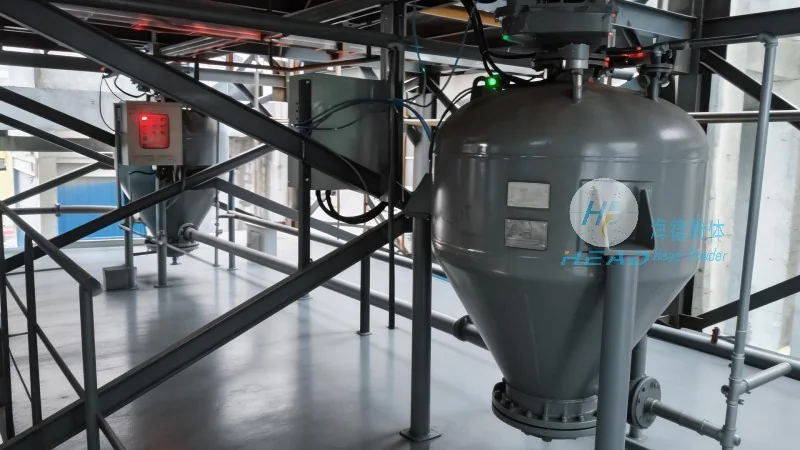
Company Overview: Shandong HeadPowder Engineering Co., Ltd.
HeadPowder, as the company is commonly known, is a reputable enterprise based in Shandong, China. Specializing in the engineering and supply of high-quality zinc oxide and related materials, HeadPowder has established itself as a trusted partner for industries requiring precise material handling solutions. With a strong commitment to innovation and customer satisfaction, the company leverages advanced technology and industry expertise to deliver tailored transportation systems that meet the unique demands of its clients. This background sets the stage for understanding how different transportation methods are implemented and optimized in practical industrial settings.
Common Zinc Oxide Subsidence Transportation Methods
Several transportation methods are widely used for zinc oxide subsidence, each with distinct characteristics and applications. The primary methods include bulk material handling systems such as belt conveyors, pneumatic conveying systems, and screw conveyors. Each method has its own set of advantages and considerations, which are discussed below.
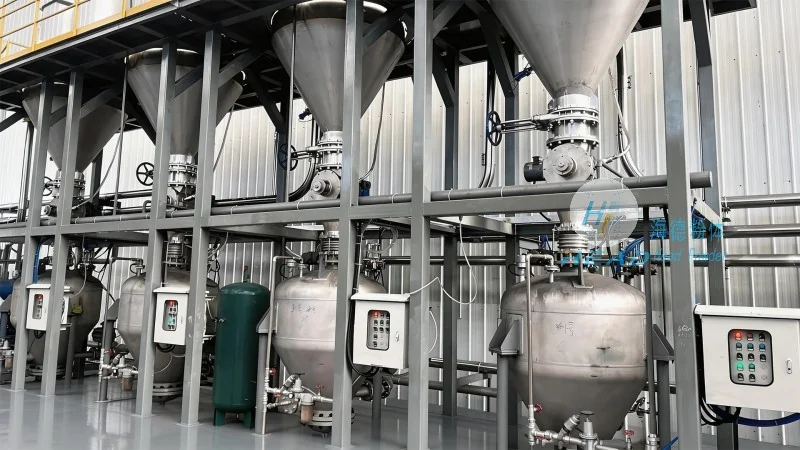
Belt Conveyors for Zinc Oxide Subsidence
Belt conveyors are one of the most common and versatile methods for transporting bulk materials, including zinc oxide subsidence. These systems consist of a continuous belt that moves material from one point to another through a series of rollers and pulleys. The primary advantages of belt conveyors include high capacity, low maintenance costs, and the ability to handle a wide range of material sizes and shapes. They are particularly suitable for long-distance transportation and can be integrated with other processing equipment, such as storage silos and mixing units. However, belt conveyors may require more space and are less flexible in terms of route changes compared to other methods. The efficiency of belt conveyors in zinc oxide subsidence transportation is enhanced by proper material handling practices, including appropriate belt tensioning and cleaning to prevent material buildup and degradation.
Pneumatic Conveying Systems for Zinc Oxide Subsidence
Pneumatic conveying, also known as air conveying, is another widely adopted method for transporting zinc oxide subsidence. This technique involves the use of compressed air to move material through a pipeline system. Pneumatic conveying systems can be categorized into two main types: pressure and vacuum systems. Pressure systems use compressed air to push material forward, while vacuum systems use suction to draw material into the pipeline. The choice between these systems depends on factors such as material characteristics, distance, and system complexity. Pneumatic conveying offers several benefits, including high speed, minimal material degradation, and the ability to transport materials over long distances without the need for multiple transfer points. However, it may require higher energy consumption and more complex equipment, including air compressors and filters. The effectiveness of pneumatic conveying in zinc oxide subsidence applications is influenced by factors like air velocity, pipeline design, and material moisture content, which must be carefully managed to prevent clogging and ensure consistent flow.
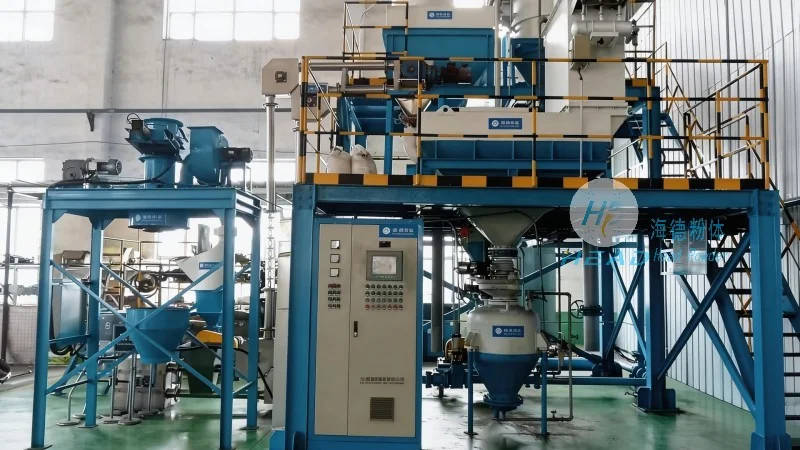
Screw Conveyors for Zinc Oxide Subsidence
Screw conveyors, also known as auger conveyors, are another common method for transporting zinc oxide subsidence. These systems use a rotating screw or auger to move material along a trough or tube. Screw conveyors are particularly effective for handling materials with low to moderate flowability and can be used in both horizontal and inclined orientations. The primary advantages of screw conveyors include their compact design, low power consumption, and ability to handle materials with varying moisture content. They are suitable for short to medium-distance transportation and can be integrated with other equipment, such as feeders and mixers. However, screw conveyors may experience wear and tear on the screw and trough, especially with abrasive materials like zinc oxide subsidence. Regular maintenance and material selection are crucial to ensure the longevity and efficiency of screw conveyor systems.
Comparative Analysis of Transportation Methods
When selecting a transportation method for zinc oxide subsidence, several factors must be considered, including material properties, distance, system complexity, and operational costs. The comparative analysis below highlights the key differences between belt conveyors, pneumatic conveying systems, and screw conveyors, providing insights into their suitability for various industrial applications.
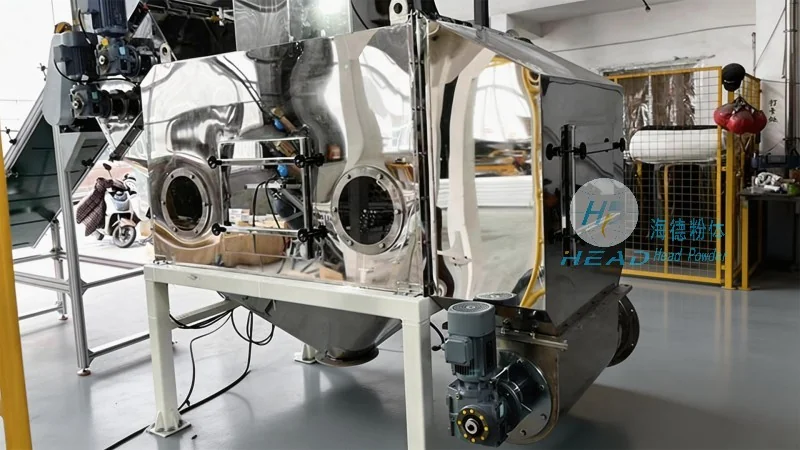
Factors Influencing the Choice of Transportation Method
The choice of zinc oxide subsidence transportation method is influenced by a combination of technical, economic, and operational factors. Technical factors include the material's flowability, particle size distribution, and moisture content, which affect the system's design and performance. Economic factors involve the initial investment, operating costs, and maintenance requirements of each method. Operational factors consider the required throughput, distance, and flexibility of the system, as well as the impact on overall production efficiency. Shandong HeadPowder Engineering Co., Ltd. emphasizes the importance of a thorough evaluation of these factors to ensure the selected transportation method aligns with the client's specific needs and objectives.
Conclusion
In conclusion, the selection of an appropriate zinc oxide subsidence transportation method is critical to maintaining the quality and efficiency of industrial processes. Belt conveyors, pneumatic conveying systems, and screw conveyors each offer unique advantages and limitations, making them suitable for different applications. By understanding the characteristics of each method and considering the specific requirements of the operation, industries can choose the most effective transportation solution. Shandong HeadPowder Engineering Co., Ltd. continues to provide innovative and reliable transportation solutions tailored to the needs of its clients, ensuring optimal performance and material integrity in zinc oxide subsidence handling.




