When it comes to handling quartz sand powder in industrial applications, selecting the right conveying method is crucial for efficiency, cost-effectiveness, and operational safety. This article provides a detailed comparison of common quartz sand powder conveying methods, helping you make an informed decision for your specific needs. As a leading provider of quartz sand powder handling solutions, Shandong HeadPowder Engineering Co., Ltd. (headpowder) offers a range of systems tailored to meet diverse industrial requirements.
1. Air-Pressure Conveying Systems
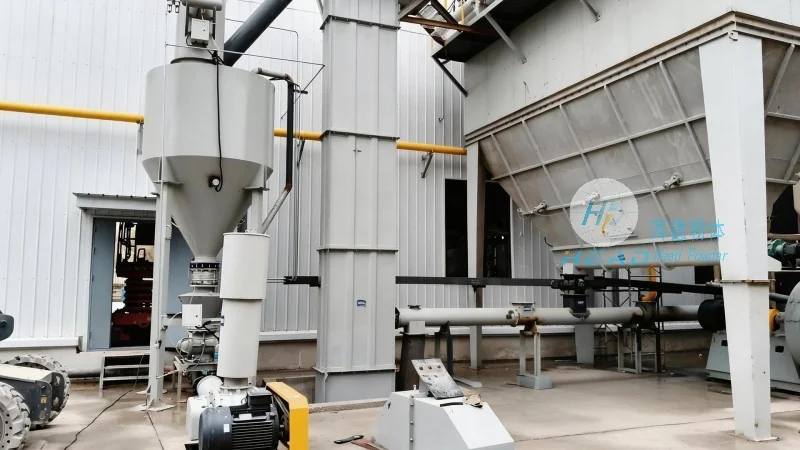
One of the most popular methods for transporting quartz sand powder is air-pressure conveying, also known as pneumatic conveying. This technique uses compressed air to move the material through a network of pipes. The system typically consists of a hopper, a rotary valve, a conveying line, and a receiver. Air-pressure conveying is highly effective for long-distance transport and can handle a wide range of particle sizes, including fine quartz sand powders. A key advantage is its ability to transport materials without mechanical contact, reducing wear and tear on equipment. However, it may require higher energy consumption compared to other methods, especially for large volumes. The system is particularly suitable for applications where dust control is a priority, as the material is contained within the pipes.
2. Screw Conveyors
Screw conveyors are another widely used method for conveying quartz sand powder. These systems consist of a rotating screw (or auger) inside a cylindrical housing. The screw pushes the material forward as it rotates, moving it from the inlet to the outlet. Screw conveyors are known for their simplicity and reliability, making them a cost-effective option for many applications. They are particularly suitable for horizontal or slightly inclined transport, as the screw provides consistent movement. A major advantage is their ability to handle a variety of materials, including abrasive quartz sand powders, without significant wear. However, they may not be ideal for long-distance transport due to the risk of material buildup and increased energy consumption. Screw conveyors are commonly used in industries such as food processing, pharmaceuticals, and construction, where the material needs to be transported in a controlled manner.
3. Pneumatic Vacuum Conveying
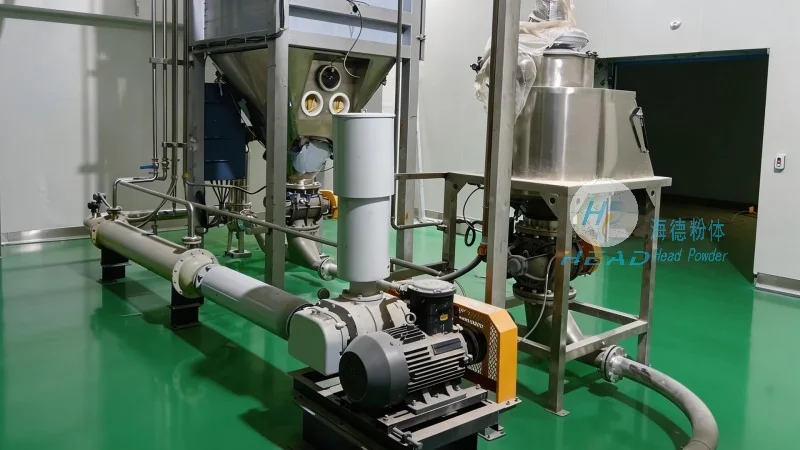
Pneumatic vacuum conveying is a variation of air-pressure conveying that uses a vacuum to draw the material into the system. This method is often preferred for applications requiring gentle handling of delicate or fine materials, such as quartz sand powders. The system includes a vacuum pump, a hopper, and a receiving tank. The vacuum creates a pressure differential that pulls the material from the source to the destination. This technique is particularly effective for short to medium distances and for handling materials that are prone to clogging or agglomeration. A key benefit is its ability to handle materials with high moisture content or sticky properties, as the vacuum ensures the material remains in suspension. However, it may have lower throughput compared to positive-pressure systems and requires careful maintenance to prevent dust leakage and system contamination.
4. Hydraulic Conveying
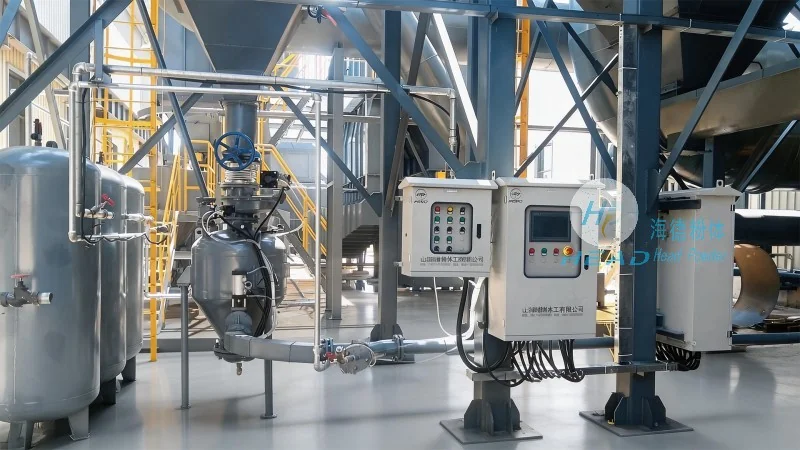
Hydraulic conveying is a less common but effective method for transporting quartz sand powder, especially in applications involving high-volume or high-density materials. This technique uses a liquid medium, typically water or a slurry, to move the material through a pipeline. The material is suspended in the liquid and transported under pressure. Hydraulic conveying is particularly suitable for long-distance transport and can handle large quantities of material efficiently. A major advantage is its ability to transport materials with high moisture content or those that are difficult to handle mechanically. However, it requires additional equipment for slurry preparation and separation, increasing operational complexity and costs. The system also needs regular maintenance to prevent clogging and corrosion, which can affect performance and longevity.
5. Comparison of Conveying Methods
When choosing a conveying method for quartz sand powder, it is essential to consider several factors, including the distance of transport, material characteristics, required throughput, and operational budget. Air-pressure conveying is generally suitable for medium to long distances and fine materials, while screw conveyors are ideal for short to medium distances and abrasive materials. Pneumatic vacuum conveying is preferred for gentle handling and short distances, and hydraulic conveying is best for high-volume, high-density materials over long distances. Each method has its strengths and limitations, and the optimal choice depends on the specific requirements of the application.




