

What is an Organic Salt Pneumatic Conveying Machine? And What Are Its Design Principles?
Organic salt pneumatic conveying machines are specialized equipment used for the efficient transport of organic salts, such as sodium chloride, potassium chloride, or other similar granular or powdered organic salts. These machines utilize air as the conveying medium to move the material from one location to another, eliminating the need for traditional mechanical components like belts or buckets. The design of such machines is crucial for ensuring reliable operation, minimizing material degradation, and optimizing energy consumption. In this article, we will explore the fundamental principles behind the design of organic salt pneumatic conveying machines, focusing on the key components, operational mechanisms, and the engineering considerations that make them effective for handling organic salts.
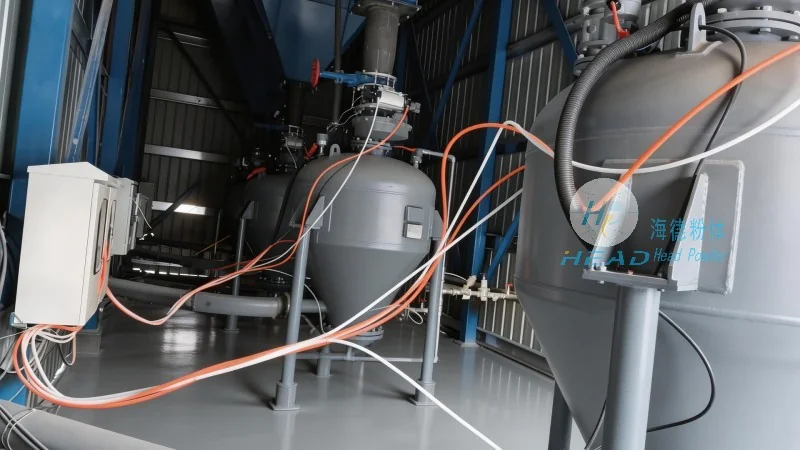
Company Introduction: HeadPowder
HeadPowder, a leading manufacturer in the field of material handling equipment, specializes in the design, production, and supply of pneumatic conveying systems tailored for various industrial applications. With a strong commitment to quality and innovation, HeadPowder has established itself as a trusted partner for industries dealing with organic salts and other bulk materials. The company's headquarters is located in Shandong, China, where advanced manufacturing facilities and a team of experienced engineers work together to develop cutting-edge solutions that meet the evolving needs of the market. HeadPowder's products are known for their durability, efficiency, and adaptability, making them suitable for a wide range of applications in chemical, food, and pharmaceutical industries.
Core Components of Organic Salt Pneumatic Conveying Machines
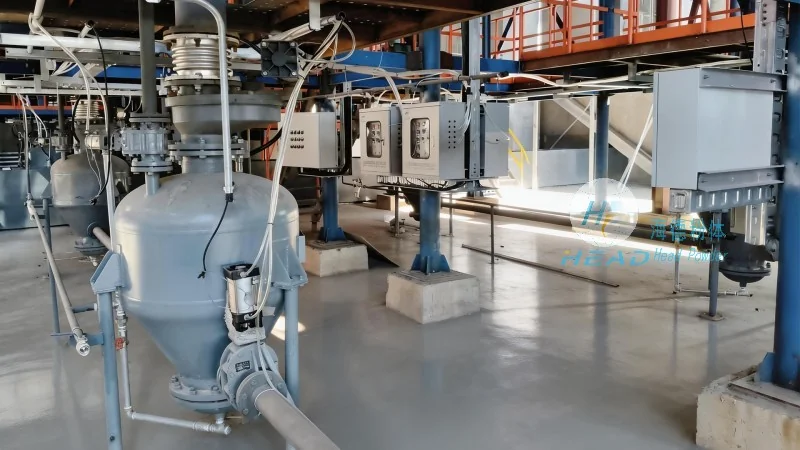
The design of an organic salt pneumatic conveying machine involves several critical components that work in harmony to achieve effective material transport. The primary components include the hopper, the air compressor, the conveying line, the control system, and the discharge unit. The hopper is responsible for storing the organic salt and providing a controlled feed to the system. It is typically designed with a sloped bottom to facilitate the smooth discharge of the material. The air compressor generates the necessary pressure to move the air and the material through the conveying line. The conveying line, often made of stainless steel or other corrosion-resistant materials, is designed to withstand the chemical properties of the organic salts and prevent contamination. The control system manages the operation of the machine, including the air pressure, flow rate, and material feed rate. The discharge unit is used to release the organic salt at the destination point, ensuring a clean and efficient transfer.
Design Principles and Operational Mechanisms
The design principles of organic salt pneumatic conveying machines are based on the fundamental laws of fluid dynamics and material handling. The key principle is the use of air as a carrier medium to suspend and transport the organic salt particles. This is achieved by creating a high-velocity air stream within the conveying line, which lifts and moves the particles along the path. The design must consider the particle size, density, and flow characteristics of the organic salt to ensure optimal conveying efficiency. For example, smaller particles may require higher air velocities to maintain suspension, while larger particles may need a different air-to-material ratio. The machine's design also takes into account the pressure drop along the conveying line, which is influenced by the length of the line, the diameter of the pipe, and the number of bends or fittings. Engineers use computational fluid dynamics (CFD) and empirical formulas to calculate the required air pressure and flow rate for a given application. Additionally, the design must incorporate features to prevent material buildup or blockages, such as air knives or pulse jets, which help maintain the flow of the organic salt.
Advantages of Organic Salt Pneumatic Conveying Machines
Organic salt pneumatic conveying machines offer several advantages over traditional mechanical conveying systems. One of the main benefits is the ability to handle organic salts without causing contamination or degradation. The enclosed system prevents exposure to air, moisture, or other environmental factors that could affect the quality of the organic salt. This is particularly important for food-grade or pharmaceutical-grade organic salts, where purity is critical. Another advantage is the flexibility in terms of layout and installation. The conveying line can be arranged in various configurations, including vertical, horizontal, or a combination of both, to fit the space constraints of the facility. This flexibility allows for the integration of the machine into existing production lines without major modifications. Furthermore, the machines are relatively low maintenance compared to mechanical systems, as they have fewer moving parts and are less prone to wear and tear. The energy consumption is also optimized through the use of efficient air compressors and control systems, reducing operational costs over time.
Applications and Industrial Use Cases
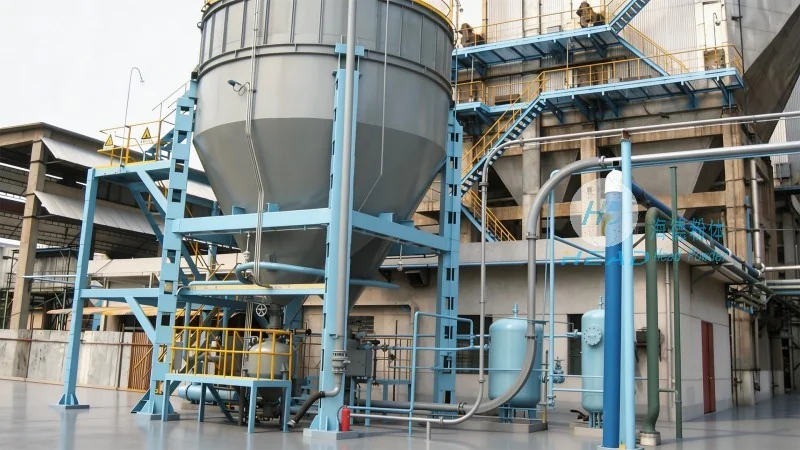
Organic salt pneumatic conveying machines are widely used in various industries that handle organic salts. In the chemical industry, they are used for transporting sodium chloride or potassium chloride from storage to processing units, such as reactors or crystallizers. In the food industry, they are employed to move salt for seasoning or preservation processes, ensuring that the product remains fresh and free from contamination. The pharmaceutical industry also utilizes these machines for handling organic salts used in drug formulations, where precision and purity are paramount. Additionally, in the agricultural sector, they may be used to transport salt for soil treatment or as a component in fertilizer production. The versatility of the organic salt pneumatic conveying machine makes it suitable for a wide range of applications, from small-scale operations to large industrial plants.
Conclusion and Future Developments
In conclusion, organic salt pneumatic conveying machines are essential equipment for the efficient and reliable transport of organic salts. The design principles, which focus on the use of air as a carrier medium and the optimization of material flow, ensure that these machines can handle the unique properties of organic salts while maintaining high efficiency and low maintenance. Companies like HeadPowder continue to innovate in this field, developing advanced systems that meet the evolving needs of the industry. As technology advances, we can expect further improvements in the design of organic salt pneumatic conveying machines, including more energy-efficient compressors, smarter control systems, and materials that are even more resistant to corrosion. These developments will further enhance the performance and reliability of the machines, making them an indispensable part of modern industrial operations.