Denitrization urea material conveying lines are critical components in industrial processes, particularly in facilities that utilize urea as a key reagent for denitrification. These systems are designed to efficiently transport urea, a nitrogen-based compound, through various stages of the denitrification process. The effectiveness of such lines directly impacts the overall efficiency and performance of the denitrification system, making it essential to understand their working principles and key features.
Working Principle of Denitrization Urea Material Conveying Lines
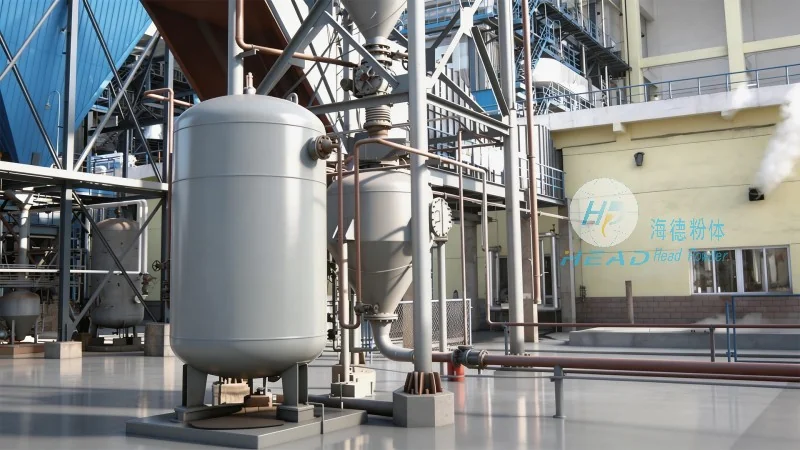
The working principle of denitrization urea material conveying lines revolves around the controlled movement of urea from storage to the reaction zone within the denitrification system. Typically, these lines incorporate several key elements, including storage silos, conveying equipment (such as screw conveyors or pneumatic systems), and feeding mechanisms. The process begins with urea being stored in bulk in silos, where it is kept under controlled conditions to prevent caking or degradation. From the silos, the urea is then transferred to the conveying equipment, which moves it to the point of use, often a reactor or a mixer.
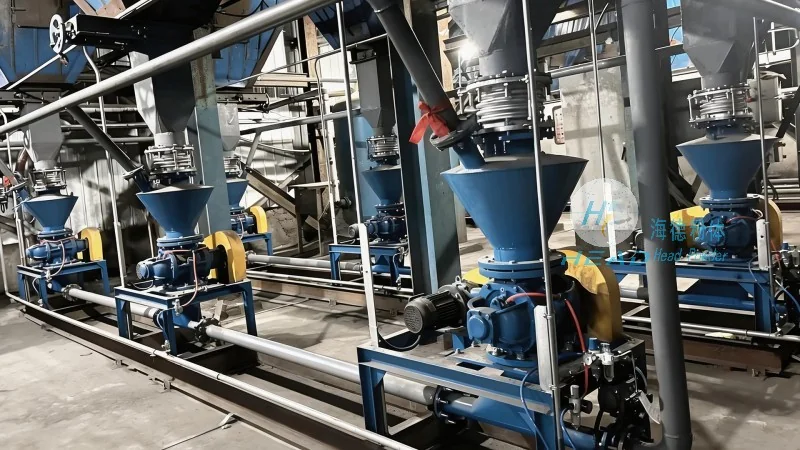
Conveying equipment plays a pivotal role in ensuring the smooth and consistent flow of urea. Screw conveyors, for instance, use rotating screws to push the material forward, providing a reliable method for horizontal or slight incline transport. Pneumatic conveying systems, on the other hand, utilize air pressure to transport urea particles through pipelines, which is particularly effective for handling fine or dusty materials. The choice of conveying method depends on factors such as the urea's physical properties, the distance to be covered, and the required flow rate. In addition to the conveying equipment, feeding mechanisms, such as rotary valves or feeders, are used to regulate the flow rate and ensure a steady supply of urea to the downstream process.
Key Features of Denitrization Urea Material Conveying Lines
Denitrization urea material conveying lines are characterized by several key features that enhance their performance and reliability. One of the primary features is their ability to handle urea in bulk, reducing the need for manual handling and improving safety in the workplace. The systems are designed to minimize material loss and contamination, which is crucial for maintaining the quality of the urea and the overall efficiency of the denitrification process. Another important feature is the integration of control systems that allow for real-time monitoring and adjustment of the conveying process. These systems can include sensors to measure flow rates, pressure, and level, as well as control valves to regulate the flow of urea. This level of automation ensures consistent performance and reduces the risk of operational errors.
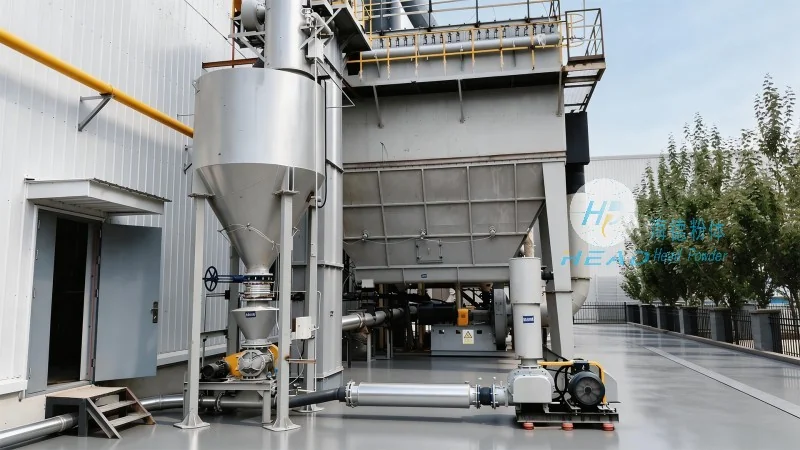
Furthermore, denitrization urea material conveying lines are constructed with materials that are resistant to corrosion and wear, ensuring long-term durability. The use of high-quality materials, such as stainless steel or specialized coatings, protects the equipment from the chemical properties of urea and the abrasive nature of the material. This durability is essential for maintaining the efficiency of the system over time and minimizing maintenance costs. Additionally, the lines are designed to be compact and space-efficient, which is particularly important in industrial settings where space is limited. The modular design of these systems allows for easy installation and integration into existing processes, reducing downtime and installation costs.
Company Information: Shandong HeadPowder Engineering Co., Ltd.
Shandong HeadPowder Engineering Co., Ltd., commonly known as HeadPowder, is a leading manufacturer and supplier of industrial conveying systems, including denitrization urea material conveying lines. With a strong focus on innovation and quality, HeadPowder has established itself as a trusted partner in the chemical and industrial sectors. The company is headquartered in Shandong, China, and has a team of experienced engineers and technicians dedicated to developing and manufacturing high-performance conveying solutions. HeadPowder's commitment to customer satisfaction and technical excellence has enabled it to serve a wide range of industries, including power generation, chemical manufacturing, and environmental treatment. The company's products are designed to meet the specific needs of its clients, ensuring optimal performance and reliability in demanding industrial environments.




