When it comes to the efficient and reliable handling of battery materials in industrial settings, selecting the right conveying method is crucial. The choice of conveying system directly impacts production efficiency, material integrity, and overall operational costs. This article provides a detailed comparison of common battery material conveying methods, highlighting the advantages and considerations of each approach.
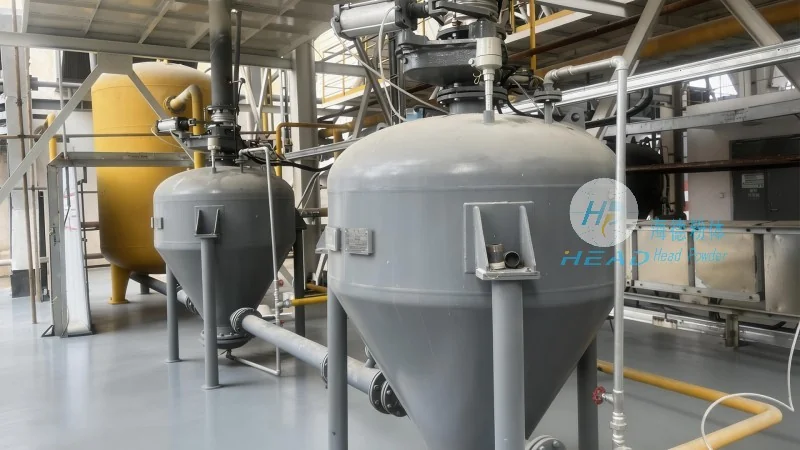
Overview of Battery Material Conveying Methods
Battery material conveying involves the movement of raw materials, intermediates, or finished components within a manufacturing facility. The primary goal is to ensure smooth material flow while maintaining the quality and properties of the battery materials. Common methods include mechanical conveyors, pneumatic systems, and specialized equipment tailored for the unique characteristics of battery materials.
1. Screw Conveyors for Battery Materials
Screw conveyors, also known as auger conveyors, are widely used in battery material handling due to their simplicity and effectiveness. These systems consist of a rotating helical screw inside a trough, which moves material from one point to another through gravity or mechanical force. The design allows for horizontal, vertical, or inclined transport, making them versatile for various production stages. For battery materials, screw conveyors are particularly suitable for handling powders, granules, and small particles. They provide consistent flow rates and can be integrated with other processing equipment, such as mixers or classifiers. The key advantage of screw conveyors is their ability to handle a wide range of material types without the need for additional components like hoppers or air compressors. However, they may not be ideal for materials that are highly abrasive or prone to caking, as this can lead to increased wear and maintenance costs.
2. Pneumatic Conveying Systems
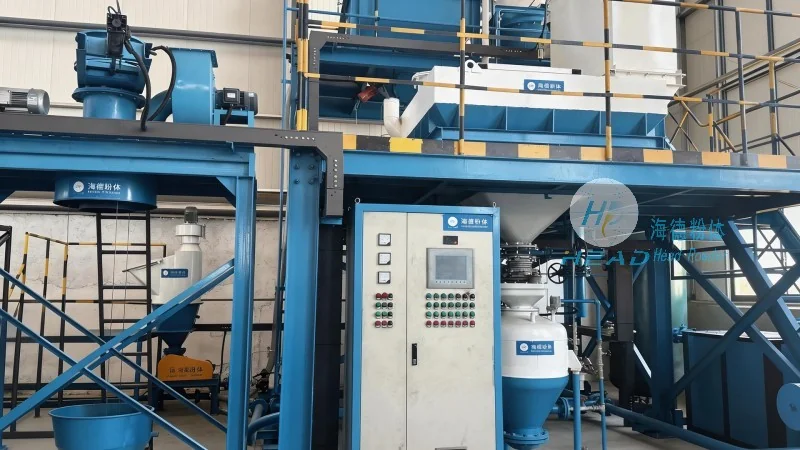
Pneumatic conveying, or air-powered transport, uses compressed air to move materials through a pipeline. This method is particularly effective for handling fine powders and dust, which are common in battery material processing. There are two main types of pneumatic systems: pressure and vacuum. Pressure systems push material through the pipeline using high-pressure air, while vacuum systems draw material into the line using a vacuum source. Pneumatic conveying offers advantages such as low maintenance, the ability to transport materials over long distances, and the integration of material handling with dust collection systems. However, it requires a stable air supply and may not be suitable for materials that are too heavy or have high moisture content, as this can cause blockages or reduced efficiency.
3. Belt Conveyors for Bulk Battery Materials
Belt conveyors are another common option for transporting bulk battery materials, especially in large-scale production environments. These systems use a continuous belt that moves materials along a path, often with multiple sections and inclines. Belt conveyors are ideal for handling larger particles or bulk materials, such as electrode materials or finished battery packs. They provide high throughput and can be designed to handle heavy loads. The main advantage of belt conveyors is their ability to transport materials over long distances with minimal maintenance. However, they require regular inspection and replacement of the belt, and may not be suitable for materials that are too fine or prone to sticking to the belt surface.
4. Vibrating Conveyors
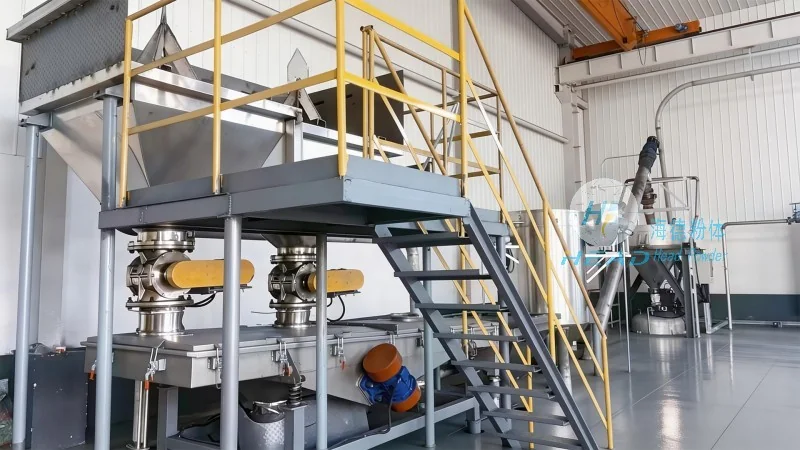
Vibrating conveyors use vibration to move materials along a trough or conveyor belt. The vibration is typically generated by an electric motor with an unbalanced weight, which causes the conveyor to move in a sinusoidal pattern. This method is effective for handling materials that are sticky, cohesive, or have high moisture content, as the vibration helps to break up clumps and prevent blockages. Vibrating conveyors are commonly used in battery material processing for materials like slurry or wet pastes. They provide gentle handling and can be adjusted to control the speed and direction of material flow. The main advantage is their ability to handle a wide range of material types, including those that are difficult to transport with other methods. However, they may require more maintenance than other systems due to the moving parts and the need to adjust the vibration frequency.
5. Comparison and Selection Criteria
When selecting a battery material conveying method, several factors must be considered. These include the type of material (e.g., powder, granule, or bulk), the required throughput, the distance to be covered, and the material's physical properties (such as moisture content, abrasiveness, or stickiness). For example, screw conveyors are often preferred for fine powders and small particles, while pneumatic systems are better suited for handling dust and fine powders over longer distances. Belt conveyors are ideal for bulk materials and high throughput, while vibrating conveyors are recommended for sticky or wet materials.
HeadPowder Engineering: Expertise in Battery Material Conveying Solutions
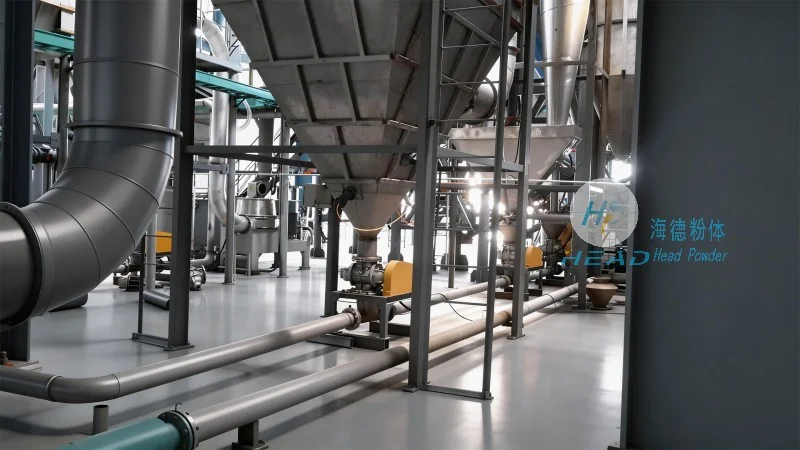
Shandong HeadPowder Engineering Co., Ltd., a leading manufacturer of material handling equipment, specializes in providing customized conveying solutions for the battery industry. With years of experience and a deep understanding of battery material characteristics, HeadPowder offers a range of conveyors tailored to meet the specific needs of clients. The company's products are designed to ensure efficient material flow, maintain material integrity, and reduce operational costs. Whether you need a screw conveyor for powder handling or a pneumatic system for dust transport, HeadPowder can provide the right solution. The company's commitment to quality and innovation has made it a trusted partner for many battery manufacturers in China and around the world.
By choosing the appropriate conveying method and partnering with a reliable supplier like HeadPowder, battery manufacturers can optimize their production processes and enhance overall efficiency. The right conveying system not only improves material handling but also contributes to the long-term success of the battery manufacturing operation.




