For industries dealing with amino acetic acid, selecting the right conveying method is crucial for efficiency, safety, and cost-effectiveness. Amino acetic acid, also known as glycine, is a widely used chemical in pharmaceuticals, food additives, and industrial applications. Its handling requires careful consideration due to its reactivity and physical properties. This article provides a detailed comparison of common amino acetic acid conveying methods, highlighting the advantages and limitations of each approach.
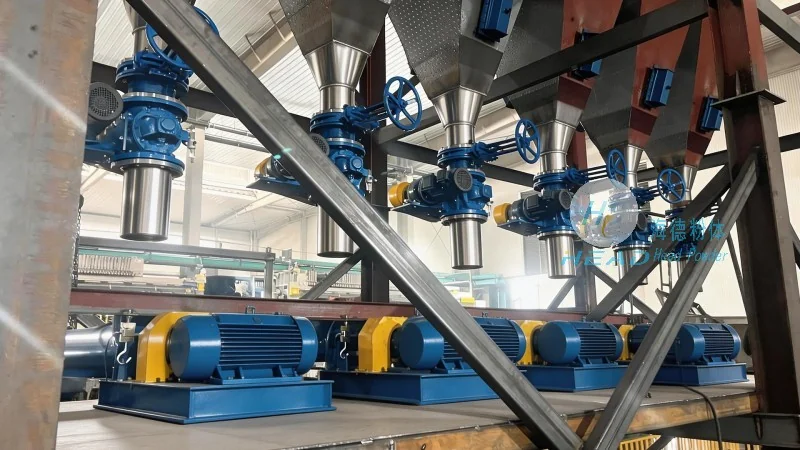
Introduction to Amino Acetic Acid Conveying Methods
Amino acetic acid is a hygroscopic, slightly acidic compound that can be challenging to transport due to its tendency to absorb moisture and its potential to cause corrosion in certain materials. Effective conveying systems must maintain product integrity, prevent contamination, and ensure safe operation. The choice of conveying method depends on factors such as the volume of material, the distance to be transported, the required flow rate, and the specific application requirements. Shandong HeadPowder Engineering Co., Ltd., a leading manufacturer of chemical processing equipment based in Shandong, China, specializes in designing and manufacturing tailored conveying solutions for amino acetic acid and other chemicals.
Pump-Based Conveying Systems: A Reliable Option for Liquid and Slurry Transport
Pump-based systems are widely used for conveying amino acetic acid in liquid or slurry form. These systems typically involve centrifugal pumps or positive displacement pumps, which can handle the chemical's viscosity and corrosive nature. The primary advantage of pump-based conveying is its ability to maintain a consistent flow rate and pressure, ensuring smooth operation over long distances. For example, centrifugal pumps are suitable for high-volume, low-viscosity applications, while positive displacement pumps (such as gear or screw pumps) are ideal for handling higher viscosities or more viscous amino acetic acid solutions. Shandong HeadPowder Engineering Co., Ltd. offers specialized pump designs that can withstand the chemical's corrosive properties, often using materials like stainless steel or Hastelloy to prevent degradation. This approach ensures reliable and efficient transport, minimizing downtime and maintenance costs.
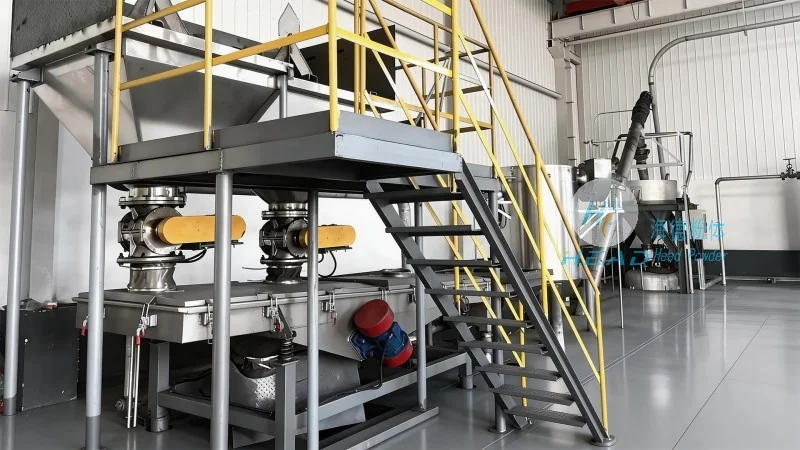
Pneumatic Conveying Systems: Advantages in Dry Powder Handling
Pneumatic conveying systems are particularly effective for transporting amino acetic acid as a dry powder. These systems use air or other gases to move the material through a pipeline, eliminating the need for mechanical components that might come into contact with the chemical. The primary benefit of pneumatic conveying is its ability to handle fine powders without causing segregation or agglomeration, which is critical for maintaining product quality. Shandong HeadPowder Engineering Co., Ltd. provides both pressure and vacuum pneumatic conveying systems, each with specific applications. Pressure systems are suitable for short to medium distances and high flow rates, while vacuum systems are ideal for long-distance transport or when material needs to be drawn from a storage silo. The company's pneumatic conveying solutions are designed to minimize product degradation and ensure consistent flow, making them a preferred choice for many industries.
Gravity Conveying: Cost-Effective for Low-Volume Applications
Gravity conveying systems rely on the natural flow of amino acetic acid due to gravity, often using inclined chutes or hoppers. This method is cost-effective for low-volume applications where the material can be transported over short distances without the need for additional power. The main advantage of gravity conveying is its simplicity and low maintenance requirements. However, it is limited by the need for a suitable slope and the volume of material to be transported. Shandong HeadPowder Engineering Co., Ltd. may offer gravity-based solutions for specific applications, such as transferring small batches of amino acetic acid from storage tanks to processing units. While not suitable for high-volume or long-distance transport, gravity conveying can be an economical option for certain scenarios.
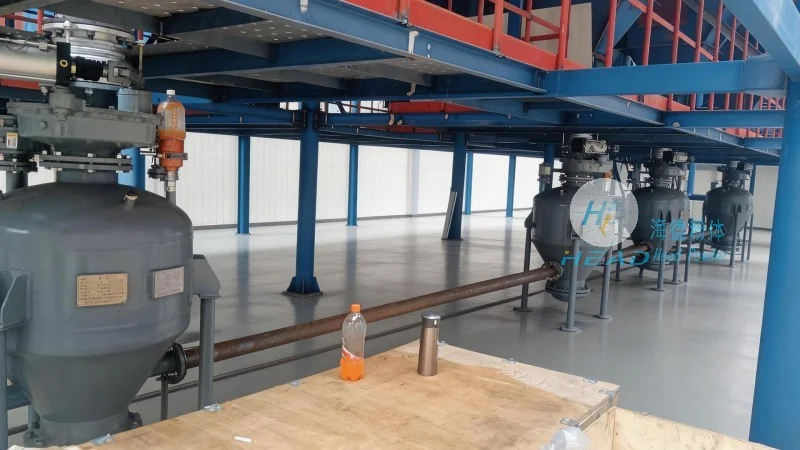
Comparison of Conveying Methods: Key Factors to Consider
When selecting a conveying method for amino acetic acid, several factors must be evaluated. The first is the physical state of the material—whether it is a liquid, slurry, or dry powder. Pump-based systems are best for liquids, while pneumatic and gravity systems are more suitable for powders. The second factor is the distance and flow rate requirements. For long distances or high flow rates, pneumatic or pump-based systems are preferred. Cost is another critical consideration; gravity conveying is the most economical option, but it may not meet the operational needs of high-volume production. Maintenance and reliability are also important. Pump-based systems require regular maintenance to prevent corrosion and wear, while pneumatic systems need filters and air compressors to maintain performance. Shandong HeadPowder Engineering Co., Ltd. recommends evaluating these factors to choose the most appropriate conveying method for a specific application, ensuring optimal performance and cost-effectiveness.
Conclusion: Choosing the Right Conveying System for Amino Acetic Acid
Effective conveying of amino acetic acid is essential for maintaining product quality and operational efficiency. The choice of conveying method depends on the specific needs of the application, including the material's state, transport distance, and required flow rate. Pump-based systems offer reliability for liquid transport, pneumatic systems excel in dry powder handling, and gravity conveying provides a cost-effective solution for low-volume applications. Shandong HeadPowder Engineering Co., Ltd., with its expertise in chemical processing equipment, can provide tailored conveying solutions that meet the unique requirements of each industry. By considering factors such as material properties, operational constraints, and cost, businesses can select the most suitable conveying method to ensure safe and efficient transport of amino acetic acid.




