Lightweight cement, valued for its reduced density and enhanced thermal insulation properties, is widely used in construction and industrial applications. The efficient delivery of this material from storage to the point of use is critical to project success, as it directly impacts workflow efficiency and material integrity. This article provides a comparative analysis of common lightweight cement delivery methods, highlighting their operational principles, advantages, and practical considerations.
Introduction to Lightweight Cement Delivery
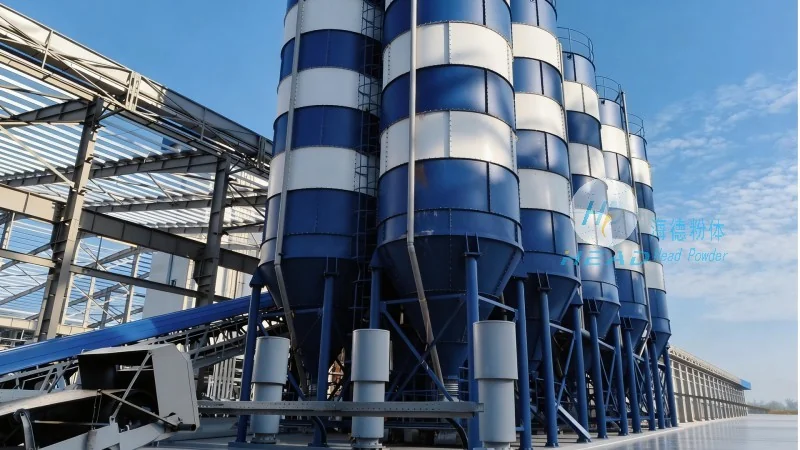
Lightweight cement, characterized by its lower bulk density compared to conventional cement, requires specialized handling systems to maintain its properties and ensure consistent performance. The choice of delivery method depends on factors such as material flow rate, distance, and the specific requirements of the construction or industrial process. Common methods include gravity-based systems, pumping mechanisms, and pneumatic conveyors, each with distinct advantages and limitations.
Overview of Delivery Methods
When selecting a delivery system for lightweight cement, engineers and project managers must evaluate several key aspects, including material compatibility, system reliability, and operational costs. The following sections explore three primary delivery approaches, detailing their design, functionality, and typical applications.
Method 1: Gravity-Based Delivery Systems
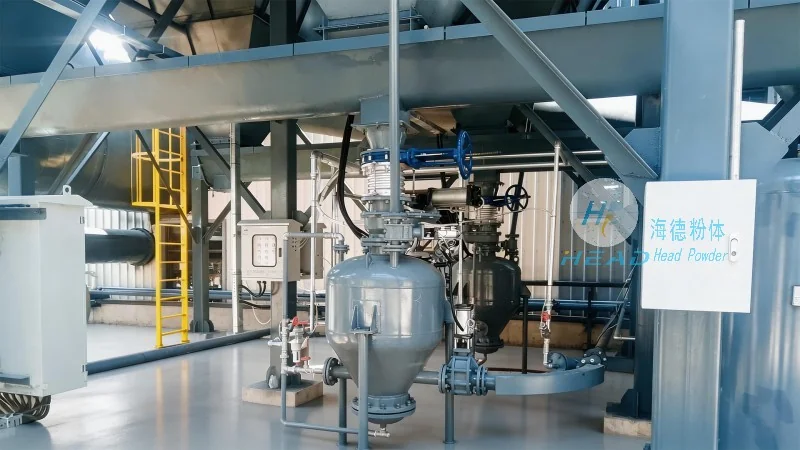
Gravity-based delivery systems utilize the natural force of gravity to transport lightweight cement from storage silos or hoppers to the point of use. These systems typically consist of inclined chutes or conveyor belts that allow the material to flow downward under the influence of gravity. The design of the chute or conveyor is critical to prevent material segregation and maintain consistent flow rates. For lightweight cement, which can be prone to settling or clumping, the smooth surface and gentle slope of the delivery chute are essential to minimize degradation. This method is often employed in short-distance applications where the material is stored at a higher elevation than the work area, such as in on-site mixing plants or industrial facilities.
Method 2: Pumping Systems for Lightweight Cement
Pumping systems represent a more versatile approach to delivering lightweight cement, particularly over longer distances or to elevated work areas. These systems utilize hydraulic or pneumatic pumps to generate the necessary pressure to move the material through pipes or hoses. The most common types include piston pumps, diaphragm pumps, and positive displacement pumps, all of which are designed to handle the low to medium viscosity of lightweight cement without causing excessive wear or degradation. A key advantage of pumping systems is their ability to maintain consistent flow rates and pressure, ensuring a steady supply of material to the construction site. This method is widely used in large-scale projects, such as infrastructure development or commercial building construction, where the material needs to be transported from a central storage facility to multiple work zones.
Method 3: Pneumatic Conveying for Lightweight Cement
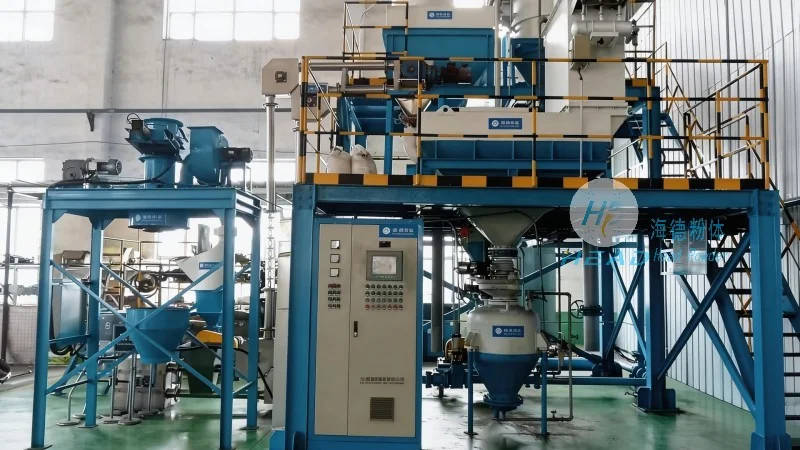
Pneumatic conveying systems employ air or gas to transport lightweight cement in a suspended state, using a combination of pressure or vacuum to move the material through a pipeline. These systems are particularly effective for handling fine powders and can be designed for both dilute-phase (air velocity high enough to keep particles suspended) and dense-phase (lower air velocity, with particles moving in a more concentrated stream) operation. The choice between dilute and dense-phase depends on the distance, material characteristics, and the need to minimize material degradation. Pneumatic conveyors offer the advantage of being able to transport lightweight cement over long distances without the need for large storage silos at the work site, as the material can be delivered directly to the point of use. However, they require careful control of air pressure and flow rates to prevent clogging or material loss. This method is commonly used in applications where flexibility and mobility are essential, such as in renovation projects or temporary construction sites.
Factors Influencing the Choice of Delivery Method
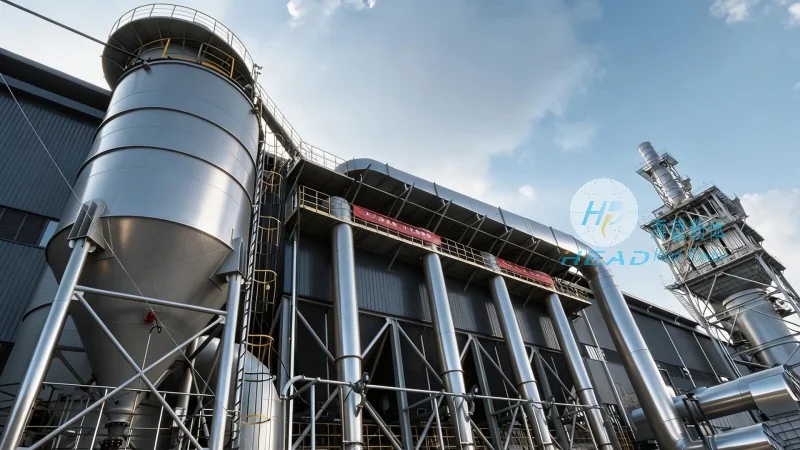
The selection of a lightweight cement delivery method is influenced by a range of factors, including the distance between the storage and work area, the required flow rate, the height of the work site, and the environmental conditions. For short distances and low flow rates, gravity-based systems may be the most cost-effective option. For longer distances or higher flow rates, pumping systems provide greater control and reliability. Pneumatic conveyors are ideal for applications requiring flexibility and the ability to transport material over long distances without intermediate storage. Additionally, the physical properties of the lightweight cement, such as its fineness and moisture content, can impact the choice of system, as some materials may be more prone to clogging or degradation in certain delivery systems.
Conclusion
Each of the delivery methods for lightweight cement has its own set of advantages and limitations, and the optimal choice depends on the specific project requirements and operational constraints. By understanding the operational principles and practical considerations of gravity-based systems, pumping systems, and pneumatic conveyors, engineers and project managers can select the most efficient and cost-effective delivery solution. As the demand for lightweight cement continues to grow in construction and industrial sectors, the development of advanced delivery systems will play a crucial role in enhancing material handling efficiency and ensuring consistent performance. Companies such as Shandong HeadPowder Engineering Co., Ltd., with its expertise in lightweight cement production and delivery solutions, are at the forefront of providing tailored systems to meet the diverse needs of modern construction projects.




