For industries dealing with sawdust and wood chips, efficient material handling is crucial to maintaining operational efficiency and product quality. Among the various methods available, selecting the right conveying system can significantly impact production processes. This article provides a detailed comparison of common sawdust and wood chip conveying methods, highlighting their applications, advantages, and considerations.
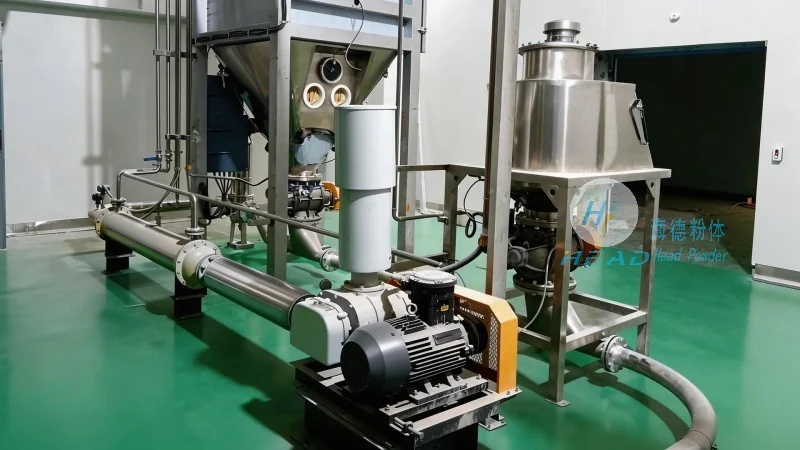
Overview of Conveying Systems for Sawdust and Wood Chips
Sawdust and wood chips are widely used in industries such as woodworking, paper manufacturing, and biomass energy production. These materials are typically lightweight, abrasive, and prone to dust generation, which requires specialized conveying solutions to ensure safe and effective transport. Conveying systems must be designed to handle the unique properties of these materials, including their tendency to clog, degrade, or cause wear on equipment. The choice of conveying method depends on factors like material characteristics, production volume, space availability, and budget constraints.
1. Screw Conveyors (Auger Conveyors)
Screw conveyors, also known as auger conveyors, are among the most common and versatile systems for transporting sawdust and wood chips. These systems consist of a rotating helical screw inside a trough or tube, which moves material along the length of the conveyor. Screw conveyors are particularly effective for handling dry, free-flowing materials and can be used in both horizontal and inclined configurations. They are known for their simplicity, low maintenance requirements, and ability to operate in a closed system, which helps contain dust and improve safety. However, screw conveyors may struggle with wet or sticky materials and can experience increased wear due to the abrasive nature of sawdust and wood chips.
2. Pneumatic Conveying Systems
Pneumatic conveying systems use air pressure to transport sawdust and wood chips through a network of pipes. These systems can be categorized into two main types: pressure and vacuum. Pressure systems force air and material through the pipe using a blower, while vacuum systems create a negative pressure to draw material into the system. Pneumatic conveying offers advantages such as high transport rates, the ability to move materials over long distances, and the flexibility to route material through complex layouts. It is particularly suitable for applications requiring dust-free transport or where space is limited. However, pneumatic systems can be more complex and expensive to install and maintain, and they may not be efficient for very fine or lightweight materials.
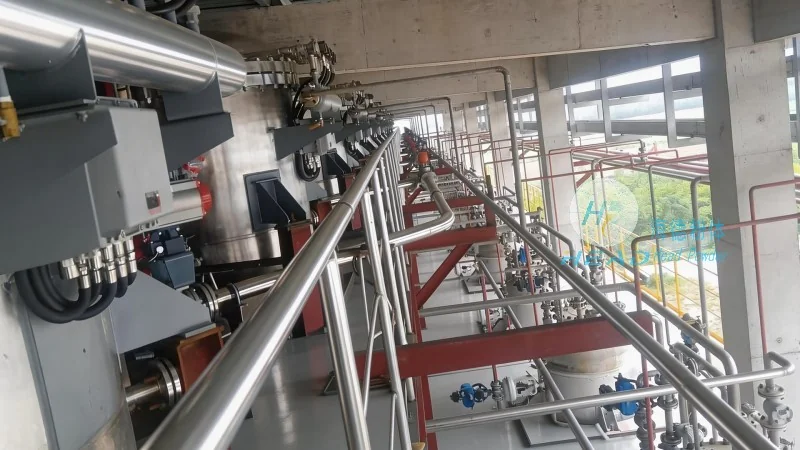
3. Belt Conveyors
Belt conveyors are another popular option for sawdust and wood chip transport, especially in applications where large volumes of material need to be moved over short to medium distances. These systems consist of a continuous belt that carries the material along a frame, often with idlers to support the belt and guide the material. Belt conveyors are known for their high capacity, durability, and ability to handle a wide range of material sizes. They are particularly effective for transporting bulk materials and can be integrated with other equipment, such as screening or sorting systems. However, belt conveyors require regular maintenance to prevent belt wear and slippage, and they may not be suitable for very fine or powdery materials that can cause the belt to slip or clog.
4. Bucket Elevators
Bucket elevators are vertical conveying systems that use a series of buckets attached to a chain or belt to lift and transport sawdust and wood chips. These systems are ideal for applications where material needs to be moved vertically over significant heights, such as in feed mills or biomass processing plants. Bucket elevators offer high vertical lift capabilities, low maintenance requirements, and the ability to handle abrasive materials without excessive wear. They are particularly effective for transporting dry, free-flowing materials and can be designed to operate in a closed system to contain dust. However, bucket elevators have limited horizontal transport capabilities and may not be suitable for very fine or powdery materials that can cause the buckets to clog or degrade.
5. Hydraulic Conveyors
Hydraulic conveyors use a liquid medium, typically water or a specialized fluid, to transport sawdust and wood chips through a pipeline. These systems are less common for sawdust and wood chip applications but can be used in certain scenarios, such as when dealing with wet or sticky materials. Hydraulic conveyors offer advantages such as high transport rates and the ability to handle abrasive materials, but they require specialized equipment and maintenance to prevent corrosion and clogging. They are particularly suitable for applications where dust containment is critical, as the liquid medium helps suppress dust generation. However, hydraulic systems can be more complex and expensive to operate, and they may not be efficient for very dry or lightweight materials.
Selection Considerations and Best Practices
When selecting a conveying system for sawdust and wood chips, several factors must be considered to ensure optimal performance and longevity. First, the material characteristics, such as moisture content, particle size, and abrasiveness, should be evaluated to determine the most suitable system. For example, screw conveyors are ideal for dry, free-flowing materials, while pneumatic systems may be better for fine or powdery materials. Second, the production volume and required transport distance should be considered to choose a system with sufficient capacity and efficiency. Third, space availability and layout constraints should be taken into account, as some systems, like belt conveyors, require more horizontal space than others, like bucket elevators. Finally, maintenance requirements and operational costs should be evaluated to ensure the chosen system is cost-effective and easy to maintain.
Conclusion
Choosing the right sawdust and wood chip conveying method is essential for optimizing industrial operations. Each system has its own advantages and limitations, and the best choice depends on the specific application and operational requirements. By carefully evaluating material characteristics, production needs, and budget constraints, industries can select a conveying system that maximizes efficiency, safety, and product quality. For businesses seeking reliable and efficient conveying solutions, Shandong HeadPowder Engineering Co., Ltd. offers a range of high-quality systems tailored to meet the unique needs of sawdust and wood chip handling. With years of experience in the industry, HeadPowder provides expert guidance and customized solutions to help clients achieve their material handling goals.




