When it comes to managing dust removal and material handling in industrial processes, selecting the right conveying method is crucial for efficiency, cost-effectiveness, and operational safety. For applications involving gravity dust removal, several methods are commonly employed, each with distinct characteristics and suitability for different scenarios. This article provides a detailed comparison of the most prevalent gravity dust conveying methods, highlighting their advantages, limitations, and typical applications.
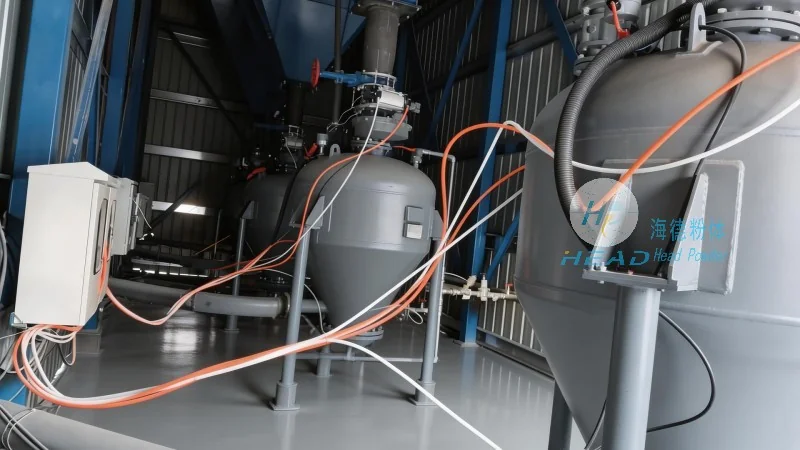
Introduction to Gravity Dust Conveying
Gravity dust conveying relies on the natural force of gravity to transport fine particles or bulk materials from one location to another. This approach is often preferred in industries such as power generation, cement production, and chemical processing, where large volumes of dust or fly ash need to be handled. The primary goal is to achieve efficient, low-cost material transport while maintaining environmental compliance and operational stability. In this context, understanding the differences between various gravity dust conveying systems is essential for making informed decisions that align with specific operational requirements.
Company Overview: Shandong HeadPowder Engineering Co., Ltd.
As a leading provider of dust removal and material handling solutions, Shandong HeadPowder Engineering Co., Ltd. specializes in designing and manufacturing advanced systems tailored to the needs of industrial clients. With a strong focus on innovation and customer-centric solutions, the company has established itself as a trusted partner in the field of gravity dust management. HeadPowder's expertise spans the entire lifecycle of dust handling systems, from initial consultation and system design to installation, commissioning, and ongoing support. The company's commitment to quality and reliability ensures that its solutions meet the highest industry standards and deliver long-term value to clients.
Method 1: Gravity Slide Conveyors
Gravity slide conveyors are among the simplest and most widely used gravity dust conveying systems. These devices consist of a sloped trough or channel that allows materials to move downward under the influence of gravity. The design typically includes a series of rollers or a smooth surface to minimize friction and facilitate smooth material flow. Gravity slide conveyors are particularly effective for handling dry, free-flowing materials with moderate particle sizes, such as fly ash or cement powder. They are often employed in applications where the vertical or horizontal distance between the dust source and the collection point is relatively short, making them ideal for in-plant material transfer tasks.
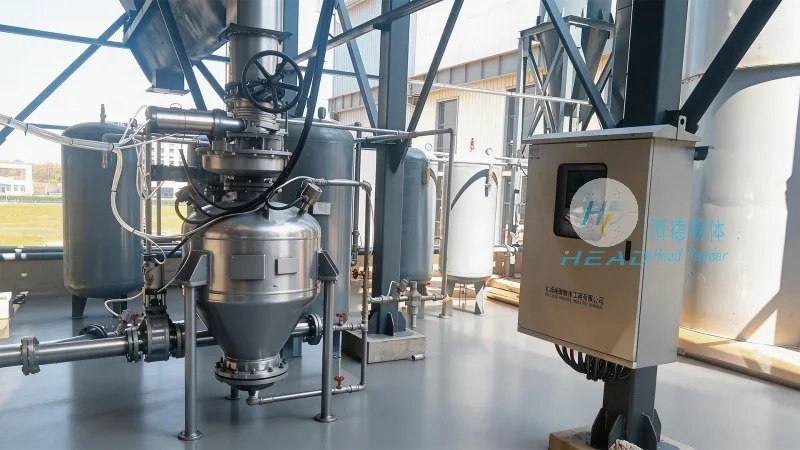
The primary advantage of gravity slide conveyors is their low operational cost, as they do not require external power sources or complex machinery. This makes them an attractive option for facilities seeking to minimize energy consumption and maintenance expenses. Additionally, their straightforward design ensures minimal downtime and easy maintenance, as components are typically accessible and replaceable. However, gravity slide conveyors have limitations in terms of material handling capacity and flexibility. They are best suited for materials that are free-flowing and do not contain sticky or abrasive particles, as these can cause blockages or damage to the conveyor surface. Furthermore, their effectiveness is highly dependent on the angle of the slope and the material's angle of repose, which must be carefully considered during system design.
Method 2: Air-Lift or Pneumatic Conveying Systems
While not strictly a gravity-based system, pneumatic conveying often complements gravity dust removal processes by transporting materials over longer distances or to higher elevations. Air-lift systems use compressed air to create a pressure differential that propels dust particles through a pipeline. This method is particularly useful when the dust needs to be moved from a lower to a higher level or across significant horizontal distances. Pneumatic conveying can handle a wide range of materials, including fine powders, granules, and even sticky substances, making it versatile for various industrial applications.
One of the key advantages of pneumatic conveying is its ability to transport materials in a closed system, which helps prevent dust emissions and improves environmental compliance. The system can also be integrated with other dust handling equipment, such as cyclones or filters, to form a comprehensive material recovery and recycling solution. However, pneumatic conveying requires a significant amount of energy to operate, as compressed air is constantly needed to maintain material flow. This can lead to higher operational costs compared to gravity-based systems. Additionally, the design and maintenance of pneumatic systems are more complex, as they involve components like air compressors, filters, and pipelines that need regular inspection and replacement.
Method 3: Screw Conveyors (Gravity-Enhanced)
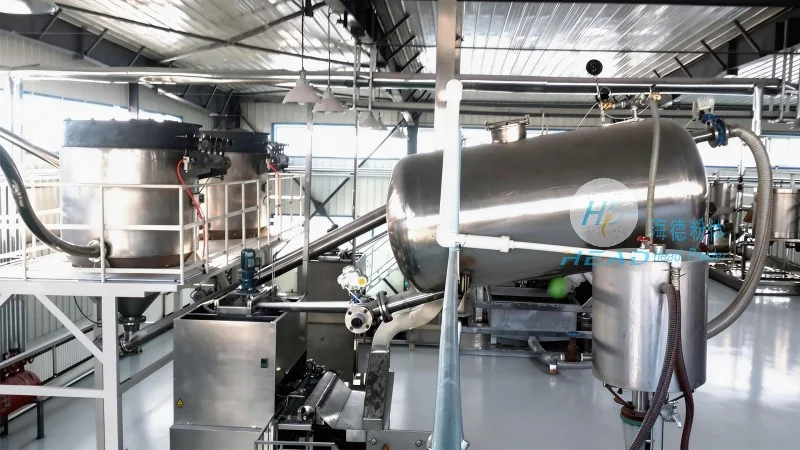
Screw conveyors are another common option for gravity dust conveying, especially when materials need to be transported at a slight incline or over moderate distances. These systems consist of a rotating screw (or auger) inside a trough, which moves material forward by the screw's rotation. In gravity-enhanced screw conveyors, the screw is designed to work in conjunction with gravity, allowing materials to flow more freely and reducing the power required for operation. This approach is particularly effective for handling bulk materials with higher moisture content or those that tend to clump together, as the screw's action helps break up agglomerates and maintain consistent flow.
The main benefit of screw conveyors is their ability to handle a wide variety of materials, including sticky, abrasive, or corrosive substances, which may be difficult to transport using other methods. They are also relatively simple to install and maintain, as the screw and trough components are robust and durable. However, screw conveyors have limitations in terms of material capacity and the risk of blockages. If the material is too sticky or contains large particles, it can cause the screw to jam, leading to system downtime. Additionally, the design of screw conveyors requires careful consideration of the screw pitch and speed to ensure efficient material transport without excessive wear on the equipment.
Method 4: Belt Conveyors with Gravity Assisted Movement
Belt conveyors are widely used in material handling applications, and when combined with gravity-assisted movement, they become effective for dust removal and transport. These systems typically consist of a continuous belt that moves over rollers or a trough, with the material placed on the belt and conveyed to the desired location. The gravity component comes into play when the belt is inclined, allowing materials to move downward under gravity while the belt provides additional support and control. Belt conveyors are particularly suitable for handling larger particles or bulk materials that require consistent and reliable transport over longer distances.
The primary advantage of belt conveyors is their high material handling capacity and ability to transport materials over long horizontal or inclined distances. They are also relatively low-maintenance, as the belt and roller components are designed for durability and easy replacement. However, belt conveyors require more space and initial investment compared to other gravity-based systems. The design must account for factors such as belt tension, speed, and the angle of inclination to ensure efficient operation and prevent material spillage or belt slip. Additionally, the system may generate more dust during operation, which can impact environmental compliance and require additional dust control measures.
Comparative Analysis and Selection Criteria
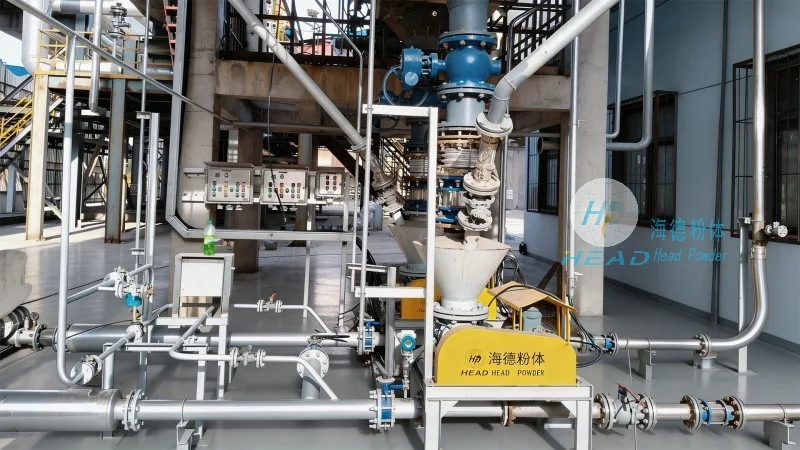
When selecting a gravity dust conveying method, several factors must be considered to ensure the best fit for the application. The key criteria include the type and properties of the material (e.g., particle size, moisture content, stickiness), the distance and elevation changes required, the available space and budget, and the environmental regulations in place. Each method has its strengths and weaknesses, and the optimal choice depends on how well it aligns with these factors.
Gravity slide conveyors are ideal for short-distance, low-cost applications with free-flowing materials. Pneumatic conveying is suitable for longer distances or when a closed system is needed, though it comes with higher energy costs. Screw conveyors excel in handling sticky or abrasive materials but require careful design to prevent blockages. Belt conveyors offer high capacity and reliability for bulk materials but demand more space and maintenance. Ultimately, the decision should be based on a thorough evaluation of operational requirements, cost considerations, and long-term performance.
Conclusion
Choosing the right gravity dust conveying method is a critical step in optimizing industrial processes and ensuring efficient material handling. By understanding the characteristics and limitations of each approach, facilities can select the most appropriate solution that meets their specific needs. Shandong HeadPowder Engineering Co., Ltd. offers comprehensive expertise and tailored solutions to help clients navigate these choices and implement effective dust removal and conveying systems. With a focus on innovation and customer satisfaction, HeadPowder continues to provide reliable and efficient solutions for the evolving demands of the industrial sector.




