When it comes to handling and transporting sulfate nickel crystals, selecting the right conveying method is crucial for efficiency, cost-effectiveness, and product integrity. Sulfate nickel, a key raw material in battery production and other industrial applications, requires specialized handling due to its crystalline structure and potential for agglomeration. This article provides a detailed comparison of common sulfate nickel crystal conveying methods, focusing on their advantages, limitations, and suitability for different industrial settings. The information is presented by Shandong HeadPowder Engineering Co., Ltd., a leading provider of powder processing solutions based in China.
Gravity Flow Systems
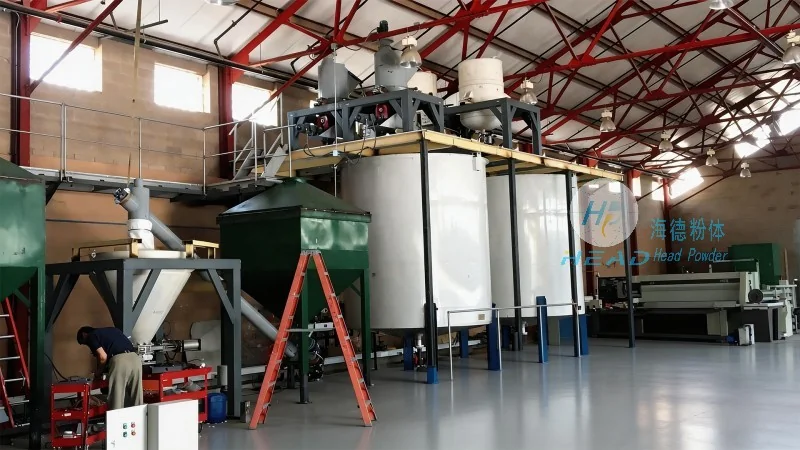
Gravity flow systems utilize the natural force of gravity to move sulfate nickel crystals from one point to another. These systems typically consist of inclined chutes, hoppers, and conveyor belts designed to allow the material to slide or roll under its own weight. For sulfate nickel crystals, which are often free-flowing once broken down from larger lumps, gravity flow can be an effective and low-cost solution. The primary advantage of this method is its simplicity and low energy consumption, as it does not require external power sources. However, gravity flow systems are highly dependent on the angle of the conveyor and the physical properties of the crystals, such as particle size and moisture content. If the crystals are too fine or overly wet, they may stick to the chute walls, leading to blockages and reduced efficiency. Additionally, gravity flow is limited to horizontal or gently inclined paths, making it unsuitable for vertical or steep incline applications. Shandong HeadPowder Engineering Co., Ltd. has developed specialized gravity flow chutes with anti-adhesion coatings to mitigate issues related to crystal agglomeration and sticking.
Pneumatic Conveying Systems
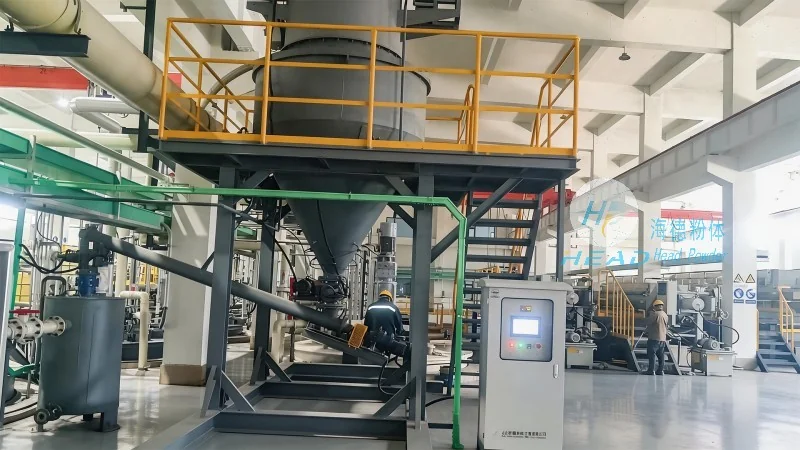
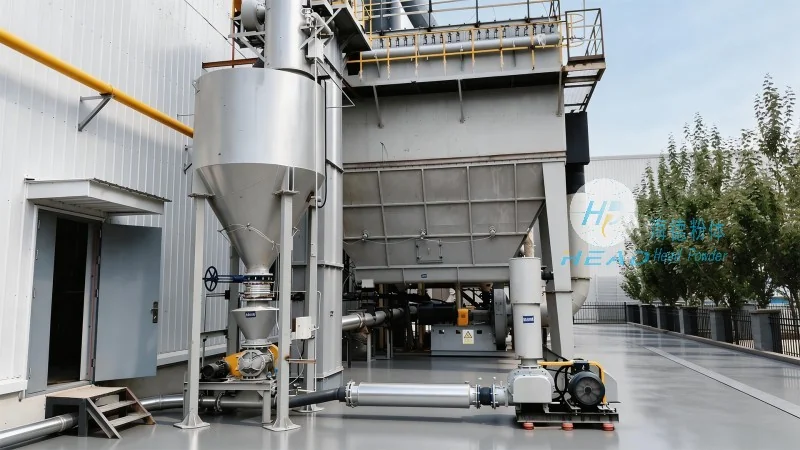
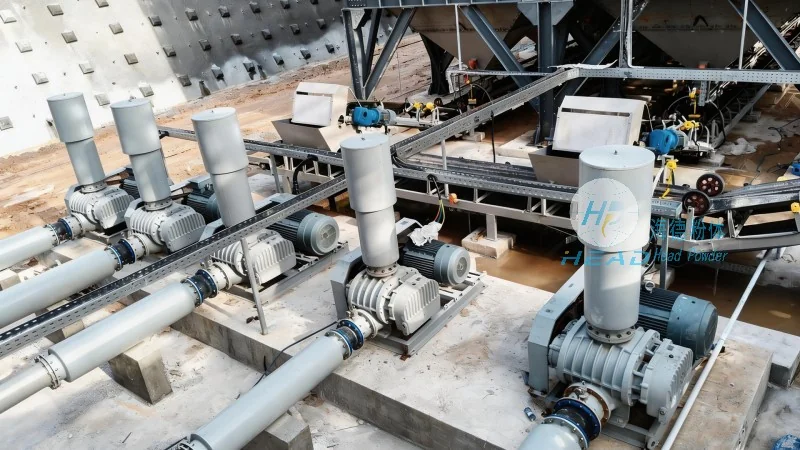
Pneumatic conveying systems use air or other gases to transport sulfate nickel crystals through a pipeline. This method is particularly useful for handling fine or dusty crystals that are difficult to move via mechanical means. There are two main types of pneumatic conveying: dilute phase and dense phase. Dilute phase systems operate at higher velocities, using air to suspend the crystals and move them through the pipeline. This method is suitable for short to medium distances and can handle relatively fine particles, but it may cause wear on the pipeline and require higher air pressure. Dense phase systems, on the other hand, operate at lower velocities and higher air-to-material ratios, which helps maintain the integrity of the crystals and reduces wear on equipment. Pneumatic conveying offers advantages such as the ability to transport materials over long distances, vertical movement capabilities, and the option to integrate with dust collection systems. However, it requires significant energy input for air compression and may be less efficient for very large volumes of material. The cost of air compressors and the need for regular maintenance of the pipeline system are also considerations. Shandong HeadPowder Engineering Co., Ltd. offers customized pneumatic conveying solutions tailored to the specific characteristics of sulfate nickel crystals, including the selection of appropriate air velocities and pipeline diameters to optimize performance.
Mechanical Conveying Systems
Mechanical conveying systems rely on mechanical components, such as belts, screws, and buckets, to move sulfate nickel crystals. Belt conveyors are one of the most common types of mechanical conveyors, using a continuous belt to transport the material from one location to another. They are suitable for both horizontal and inclined applications and can handle a wide range of material sizes and moisture levels. Belt conveyors are known for their high capacity, reliability, and low maintenance requirements. However, they may not be ideal for very fine or sticky crystals, as the material can accumulate on the belt or the idlers, leading to reduced efficiency and increased wear. Screw conveyors, also known as augers, use a rotating screw to push the material forward. These systems are well-suited for vertical or inclined transport and can handle materials with higher moisture content or agglomerates. Screw conveyors are compact and can be installed in tight spaces, but they may cause more wear on the material due to the friction between the screw and the crystals. Additionally, they are limited in the distance they can transport material effectively. Bucket elevators use buckets attached to a chain or belt to lift and transport material vertically. This method is highly efficient for vertical transport and can handle large volumes of material, but it requires more maintenance than other mechanical systems and may be more expensive to install. Shandong HeadPowder Engineering Co., Ltd. provides a range of mechanical conveying solutions, including customized belt and screw conveyors, designed to meet the specific needs of sulfate nickel crystal handling, ensuring optimal performance and durability.
Hybrid Conveying Systems
Hybrid conveying systems combine two or more of the above methods to leverage their individual advantages while mitigating their limitations. For example, a hybrid system might use a gravity flow chute to move crystals from a hopper to a pneumatic conveyor, which then transports them to the final destination. This approach allows for efficient horizontal transport via gravity and vertical or long-distance transport via pneumatic means. Another hybrid option is combining a screw conveyor with a pneumatic system, where the screw conveyor feeds the material into a pneumatic pipeline. This method can improve the flow of sticky or agglomerated crystals into the pneumatic system, reducing blockages and improving overall efficiency. Hybrid systems are particularly useful in complex industrial settings where multiple transport requirements must be met. However, they are more complex to design and maintain compared to single-method systems. The integration of different components requires careful consideration of material compatibility, pressure differentials, and energy consumption. Shandong HeadPowder Engineering Co., Ltd. specializes in designing and implementing hybrid conveying systems that optimize the handling of sulfate nickel crystals, ensuring seamless integration and reliable operation.
Key Considerations for Selecting a Conveying Method
When selecting a conveying method for sulfate nickel crystals, several factors must be considered to ensure the best performance and cost-effectiveness. The first consideration is the physical properties of the crystals, including particle size, moisture content, and tendency to agglomerate. Fine or wet crystals may require more specialized equipment, such as pneumatic systems with anti-adhesion features or mechanical conveyors with smooth surfaces. The second factor is the distance and direction of transport, whether horizontal, vertical, or a combination. The third consideration is the required capacity and throughput, as different systems have varying maximum capacities. The fourth factor is the available space and budget, as some systems are more compact or cost-effective than others. Additionally, the need for dust control and environmental compliance may influence the choice of system, as some methods generate more dust than others. Shandong HeadPowder Engineering Co., Ltd. provides comprehensive consultation services to help clients evaluate these factors and select the most appropriate conveying method for their specific sulfate nickel handling needs. By considering all relevant parameters, businesses can ensure efficient, reliable, and cost-effective transport of their sulfate nickel crystals.




