Shandong HeadPowder Engineering Co., Ltd., a professional manufacturer based in Shandong, China, specializes in the design and production of PTFE conveying systems. The company's expertise lies in delivering reliable and efficient solutions for handling PTFE materials, which are widely used in various industrial applications due to their excellent chemical resistance and non-stick properties. This article provides a comparative analysis of common PTFE conveying methods, helping industrial users choose the most suitable option for their specific operational needs.
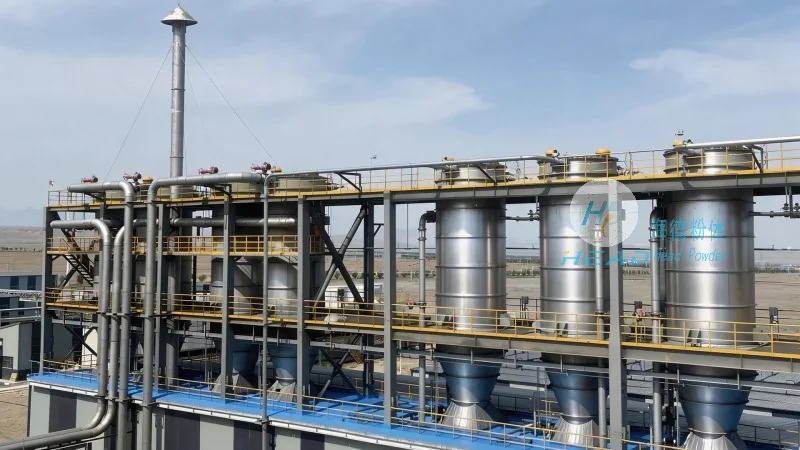
Introduction to PTFE Conveying Systems
PTFE (polytetrafluoroethylene) is a versatile polymer known for its unique properties, including high chemical inertness, low friction coefficients, and excellent thermal stability. These characteristics make PTFE an ideal material for conveying applications where other materials may degrade or fail under harsh conditions. However, the effective transfer of PTFE powders or granules requires specialized equipment to prevent material degradation and ensure consistent performance. Shandong HeadPowder Engineering Co., Ltd. offers a range of PTFE conveying solutions tailored to meet diverse industrial requirements, from small-scale laboratory operations to large-scale production lines.
Common PTFE Conveying Methods
Several PTFE conveying methods are widely used in industrial settings. The primary options include screw conveyors, belt conveyors, and pneumatic (air) conveying systems. Each method has distinct advantages and limitations, which are crucial to consider when selecting the appropriate system for a particular application.
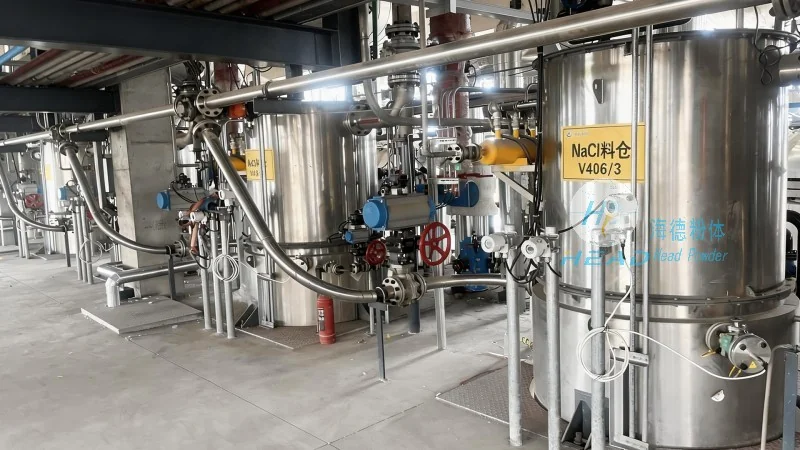
Screw Conveyors for PTFE Handling
Screw conveyors, also known as auger conveyors, are among the most common PTFE conveying methods. These systems consist of a rotating helical screw inside a cylindrical housing, which moves material along the length of the conveyor. For PTFE applications, screw conveyors are often made from stainless steel or PTFE-coated components to prevent material buildup and ensure smooth operation. The primary advantages of screw conveyors include their simplicity, low maintenance requirements, and ability to handle a wide range of PTFE particle sizes. However, they may not be suitable for very fine powders or materials with high moisture content, as these can lead to clogging or reduced efficiency. Shandong HeadPowder Engineering Co., Ltd. manufactures screw conveyors with PTFE-lined components to enhance durability and prevent material adhesion, ensuring reliable performance in demanding environments.
Belt Conveyors for Bulk PTFE Transfer
Belt conveyors are another popular choice for PTFE conveying, particularly for bulk material transfer over longer distances. These systems use a continuous belt made from PTFE or other resistant materials, which moves the material from the loading point to the discharge point. Belt conveyors are highly effective for handling larger PTFE granules or pellets and can be configured with multiple sections to achieve vertical or horizontal material movement. The key benefits of belt conveyors include high capacity, low energy consumption, and minimal product degradation. However, they require regular maintenance to prevent belt wear and may not be ideal for very fine powders, as they can cause dust accumulation and material loss. Shandong HeadPowder Engineering Co., Ltd. offers belt conveyors with PTFE-coated belts and reinforced structures to ensure long-term reliability and efficient PTFE transfer.
Pneumatic Conveying Systems for Fine PTFE Powders
Pneumatic conveying systems, also known as air conveying, are widely used for handling fine PTFE powders and granules. These systems use compressed air to transport material through a pipeline, either in a positive or negative pressure mode. Positive pressure systems blow air and material through the line, while negative pressure systems draw material into the line using vacuum. Pneumatic conveying is particularly advantageous for PTFE applications because it minimizes material contact with equipment, reducing the risk of contamination and degradation. Additionally, these systems can handle fine powders and provide precise control over material flow. However, they require careful design to prevent pressure drops and material segregation, and may not be suitable for very large particles or high-volume applications. Shandong HeadPowder Engineering Co., Ltd. specializes in designing pneumatic conveying systems with PTFE-lined ducts and efficient air distribution to ensure optimal performance and minimal material loss.
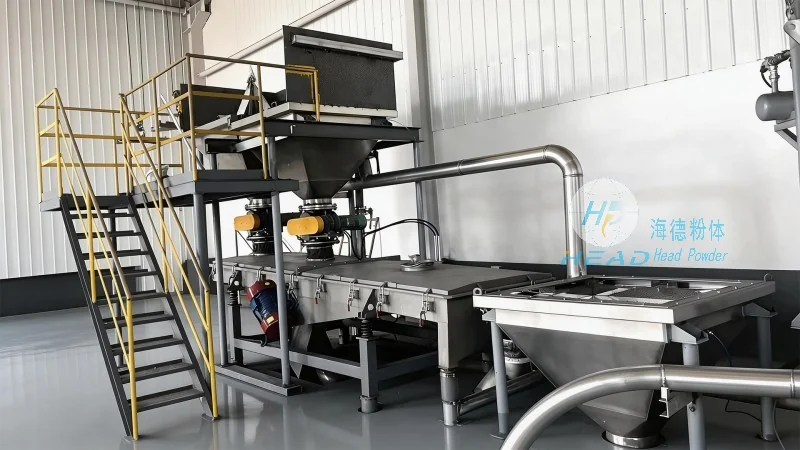
Comparative Analysis of PTFE Conveying Methods
When selecting a PTFE conveying method, several factors must be considered, including material characteristics, application requirements, and operational constraints. Screw conveyors are generally the most cost-effective option for moderate volumes and relatively coarse materials. Belt conveyors are preferred for bulk transfer over longer distances and larger particle sizes. Pneumatic conveying systems excel in handling fine powders and require less space compared to other methods. Shandong HeadPowder Engineering Co., Ltd. provides customized PTFE conveying solutions that integrate the best features of each method, ensuring optimal performance and cost-effectiveness for industrial users.
Conclusion
Choosing the right PTFE conveying method is critical to ensuring efficient and reliable material handling in industrial operations. Shandong HeadPowder Engineering Co., Ltd. offers a comprehensive range of PTFE conveying equipment, including screw conveyors, belt conveyors, and pneumatic systems, tailored to meet the specific needs of various industries. By considering factors such as material properties, operational requirements, and maintenance considerations, industrial users can select the most suitable PTFE conveying method to enhance productivity and ensure long-term performance. The company's commitment to quality and innovation ensures that its PTFE conveying solutions meet the highest standards, providing reliable performance in demanding industrial environments.




