Carbon black is a vital raw material in industries such as rubber, plastics, and pigments. The efficient and reliable transportation of carbon black from storage to processing units is crucial for maintaining production efficiency and product quality. This article provides a detailed comparison of common carbon black conveying methods, highlighting their advantages and disadvantages, to assist industrial operators in making informed decisions.
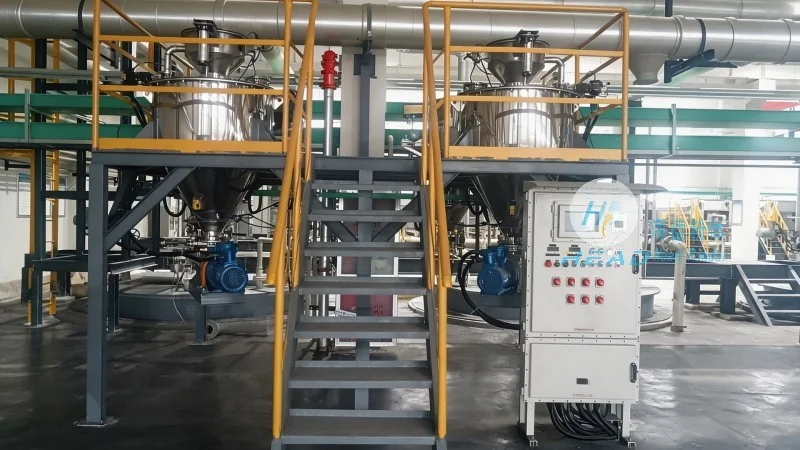
Overview of Carbon Black Conveying Methods
Carbon black conveying systems are designed to transport carbon black powder from storage silos or bulk containers to processing equipment like mixers, extruders, or reactors. The selection of a conveying method depends on factors including carbon black type, production scale, plant layout, and operational requirements. Common methods include pneumatic conveying, mechanical conveying, and hybrid systems. Each method has distinct advantages and limitations that influence its suitability for different applications.
Pneumatic Conveying Systems
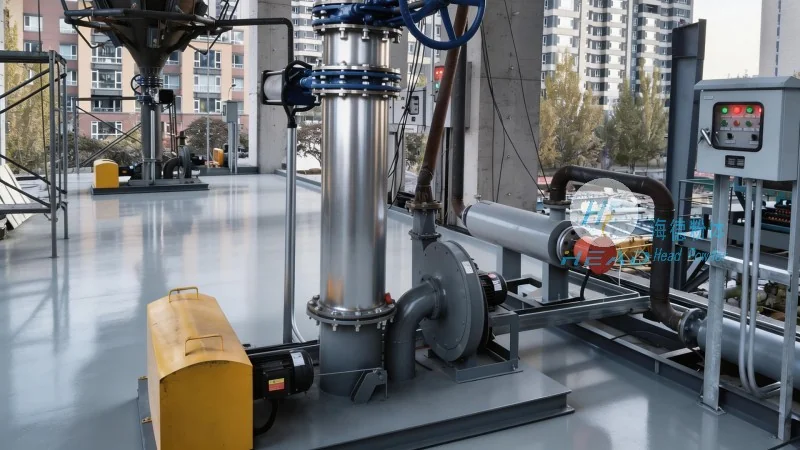
Pneumatic conveying utilizes air or other gases to transport carbon black particles through a pipeline. This method is widely adopted due to its flexibility and ability to handle fine powders. Two primary types exist: dilute-phase and dense-phase. Dilute-phase systems employ high-velocity air to move particles, while dense-phase systems use lower air velocity with higher particle concentration. The choice between these depends on distance and material characteristics. Pneumatic conveying offers advantages such as low maintenance, capability to transport over long distances, and integration with existing plant infrastructure. However, it has limitations, including the need for proper air filtration to prevent dust emissions and potential particle degradation from high air velocities.
Mechanical Conveying Systems
Mechanical conveying systems employ mechanical components like screw conveyors, belt conveyors, or bucket elevators to transport carbon black. These systems are often used for short-distance or horizontal transport. Screw conveyors are particularly effective for handling cohesive or sticky carbon black materials, providing continuous and controlled movement. Belt conveyors are suitable for larger volumes and can handle bulk loads efficiently. Mechanical conveyors offer advantages such as low energy consumption, minimal air pollution, and straightforward operation. However, they have limitations, including the risk of material buildup and blockages, especially with fine powders, and the need for regular maintenance to prevent wear and tear.
Hybrid Conveying Systems
Hybrid systems combine pneumatic and mechanical conveying technologies to leverage the benefits of both methods. For example, a system might use a mechanical conveyor to transport carbon black from the storage silo to a pneumatic conveying line, or vice versa. This approach is often used for complex plant layouts or when specific material handling challenges require a tailored solution. Hybrid systems offer advantages such as improved flexibility and the ability to handle a wider range of carbon black types and particle sizes. However, they may be more complex to install and maintain, requiring expertise in both pneumatic and mechanical systems.
Key Considerations for Choosing a Conveying Method
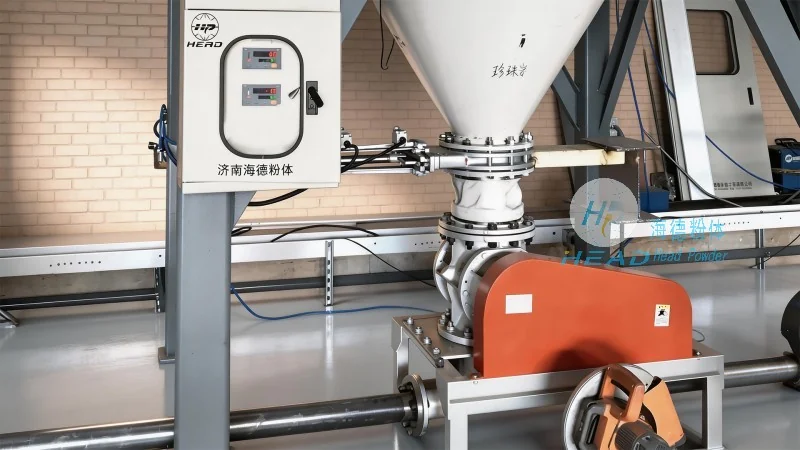
When selecting a carbon black conveying method, several factors must be considered to ensure optimal performance and cost-effectiveness. The first consideration is the carbon black type and its physical properties, such as particle size, density, and moisture content. Fine carbon black particles may require more careful handling to prevent dust and caking, which can affect conveying efficiency. The second factor is the production scale and plant layout. Large-scale operations may benefit from pneumatic conveying for long-distance transport, while smaller plants might opt for mechanical conveyors for simplicity and cost. The third factor is operational requirements, including the need for dust control, environmental regulations, and safety considerations. Pneumatic systems may require additional filtration and ventilation systems to comply with environmental standards, while mechanical systems may need to incorporate dust suppression measures.
Conclusion
Choosing the right carbon black conveying method is a critical decision for industrial operators, as it directly impacts production efficiency, product quality, and operational costs. Pneumatic conveying offers flexibility and long-distance transport capabilities, while mechanical conveying provides reliability and low energy consumption. Hybrid systems offer a balanced approach but may require more complex integration. By carefully evaluating the specific needs of the operation, including carbon black properties, plant layout, and operational requirements, industrial operators can select the most suitable conveying method. Shandong HeadPowder Engineering Co., Ltd., a leading provider of carbon black processing solutions, offers expertise in designing and implementing efficient conveying systems tailored to the unique needs of each client. With a focus on quality and reliability, HeadPowder helps industrial clients optimize their carbon black handling processes and enhance overall production performance.




