When it comes to transporting polypropylene (PP) pellets in industrial settings, selecting the right conveying method is crucial for efficiency, cost-effectiveness, and operational reliability. As a leading provider in the field, Shandong HeadPowder Engineering Co., Ltd. (HeadPowder) understands the importance of matching the right technology to specific application requirements. This article provides an in-depth comparison of common PP pellet conveying methods, highlighting their advantages and disadvantages to help industrial operators make informed decisions.
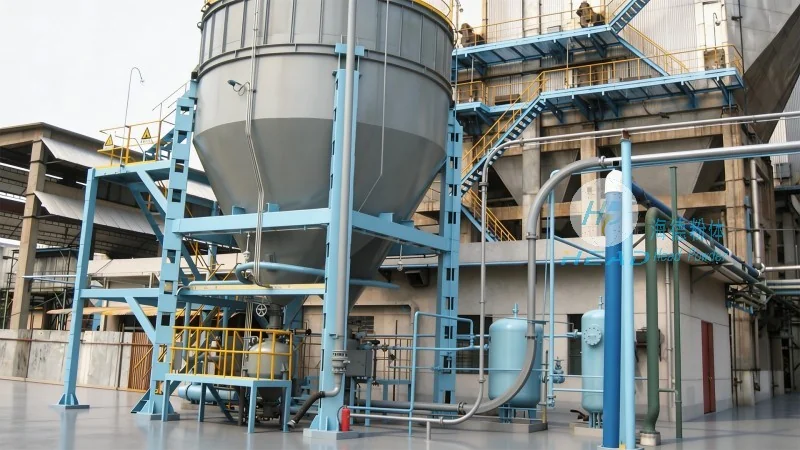
1. Screw Conveyors: A Traditional and Reliable Option
Screw conveyors, also known as auger conveyors, are one of the most widely used methods for transporting PP pellets. These systems consist of a rotating helical screw inside a trough, which moves material from one point to another through gravitational force and the screw's rotation. HeadPowder's screw conveyors are designed with durable materials, such as stainless steel or high-grade carbon steel, to withstand the abrasive nature of PP pellets and ensure long service life.
Advantages of screw conveyors include their simplicity, low maintenance requirements, and ability to handle a wide range of particle sizes and bulk densities. They are particularly effective for short to medium-distance conveying and can be easily integrated into existing production lines. Additionally, screw conveyors can operate in a closed system, minimizing dust emissions and improving workplace safety.
However, screw conveyors have several limitations. They are not suitable for long-distance transport due to the high friction and energy consumption that can occur over extended lengths. The design also limits the conveying angle, typically to a maximum of 20 degrees from horizontal, which may restrict layout flexibility in some facilities. Furthermore, the risk of material bridging or clogging is higher with screw conveyors, especially when dealing with cohesive or sticky PP pellets.
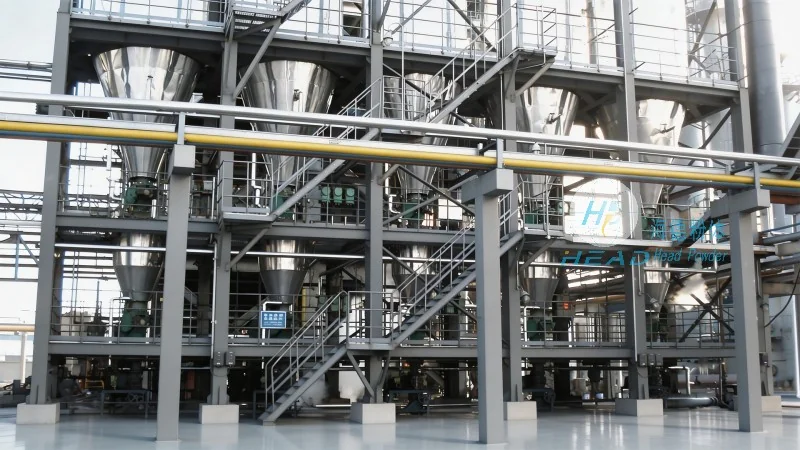
2. Pneumatic Conveying Systems: Versatile and Flexible
Pneumatic conveying systems use air or other gases to transport PP pellets through a pipeline. These systems can be categorized into two main types: pressure and vacuum. Pressure systems force air through the pipeline, pushing the pellets forward, while vacuum systems create a negative pressure to draw the material into the line.
HeadPowder's pneumatic conveying solutions are engineered to handle various conveying distances and material characteristics. They are particularly advantageous for long-distance transport, as they can move materials over hundreds of meters with minimal loss of material quality. Pneumatic systems also offer excellent dust control, as the pellets are contained within the pipeline, reducing environmental impact and health risks.
Advantages of pneumatic conveying include high flexibility in layout, as the pipeline can be routed around obstacles, and the ability to handle both dry and wet materials. They are also suitable for transporting materials at high speeds, which can improve overall production throughput. However, pneumatic systems have significant drawbacks. They require substantial energy input to generate the necessary air pressure or vacuum, leading to higher operational costs. Additionally, the system can be prone to wear and tear on components like valves and filters, increasing maintenance frequency. Furthermore, the initial investment for pneumatic systems is typically higher than for other conveying methods, and the risk of material degradation due to friction or air exposure is a concern.
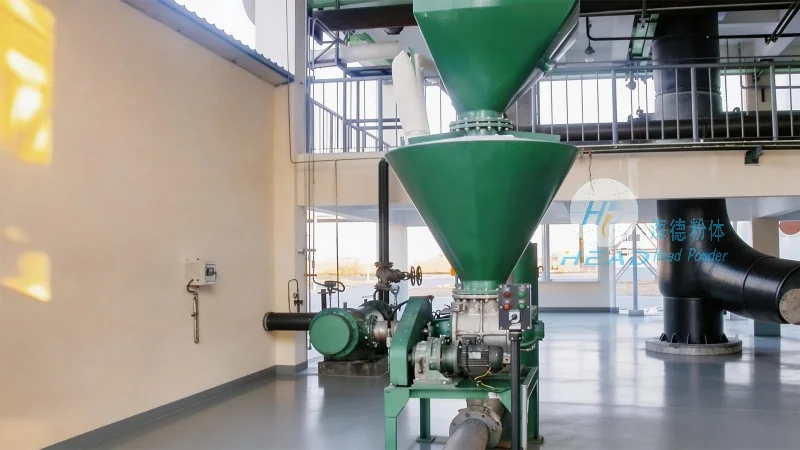
3. Belt Conveyors: High-Capacity and Cost-Effective
Belt conveyors are another popular choice for PP pellet transport, especially in applications requiring high material throughput. These systems consist of a continuous belt that moves over rollers or pulleys, transporting the pellets from one location to another. HeadPowder's belt conveyors are designed with heavy-duty belts and robust frame structures to ensure durability and reliability in demanding industrial environments.
Advantages of belt conveyors include their ability to handle large volumes of material at high speeds, making them ideal for bulk handling operations. They are also relatively low-cost to install and maintain compared to pneumatic systems. Belt conveyors can be easily adapted for inclines and declines, allowing for more flexible layout designs. Additionally, they provide a visible and accessible path for the material, which can aid in quality control and inspection.
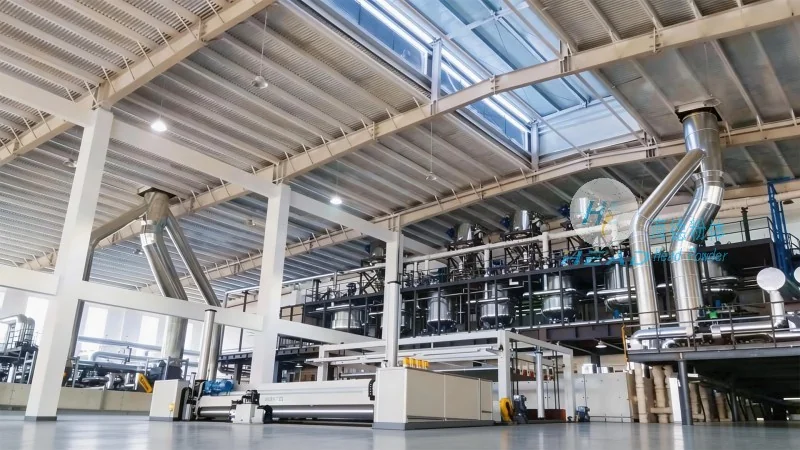
However, belt conveyors have limitations that must be considered. They are not suitable for long-distance transport due to the high friction and energy consumption associated with moving heavy loads over extended distances. The system is also susceptible to material spillage and dust generation, especially if the belt is not properly sealed or the loading/unloading points are not well-designed. Furthermore, the risk of belt slip or breakage is higher with belt conveyors, particularly when handling abrasive or sticky PP pellets, which can lead to downtime and maintenance costs.
4. Comparison and Selection Criteria
When choosing a PP pellet conveying method, several factors must be considered to ensure the best fit for the application. The primary criteria include conveying distance, material characteristics (such as size, density, and moisture content), required throughput, and budget constraints. HeadPowder recommends evaluating each method based on these factors to determine the most efficient and cost-effective solution.
For short to medium distances with moderate throughput, screw conveyors may be the most economical choice. For long-distance transport or applications requiring high flexibility, pneumatic systems offer superior performance. Belt conveyors are ideal for high-capacity operations where speed and bulk handling are priorities. Ultimately, the decision should be based on a comprehensive analysis of operational needs, maintenance requirements, and long-term cost implications.




