Efficient grain handling is a critical aspect of modern agricultural and food processing operations. The choice of conveying method significantly impacts operational efficiency, cost, and product quality. This article provides a detailed comparison of common grain conveying methods, highlighting their advantages and disadvantages, to assist industry professionals in selecting the most suitable solution for their specific needs.
Introduction to Grain Conveying Methods
Grain conveying systems are designed to transport bulk materials like wheat, corn, rice, and other grains from one location to another within a processing facility or between storage and processing areas. The primary goal is to achieve reliable, consistent, and cost-effective movement of these materials. Several methods are widely used, each with distinct characteristics that make it suitable for different applications.
Screw Conveyor (Auger Conveyor)
Screw conveyors, also known as auger conveyors, are one of the most common and versatile grain conveying systems. They consist of a rotating helical screw blade inside a cylindrical tube or trough. As the screw rotates, it pushes the grain forward, similar to an Archimedes screw. This method is particularly effective for horizontal or slightly inclined transport of granular materials.
Advantages of screw conveyors include their simplicity, low maintenance requirements, and ability to handle a wide range of grain types. They are compact, can be installed in various orientations, and are suitable for both small and large-scale operations. Additionally, screw conveyors can be used for both conveying and feeding processes, making them highly versatile.
However, screw conveyors have several limitations. They are not ideal for vertical lifting of heavy or abrasive grains, as this can lead to excessive wear on the screw and trough. The design also limits the speed and capacity for very large volumes, and they may not be suitable for transporting delicate or sticky grains without additional modifications. The risk of product degradation due to friction and heat generation is another concern, especially for heat-sensitive products.
Air-Flow Conveying (Pneumatic Conveying)
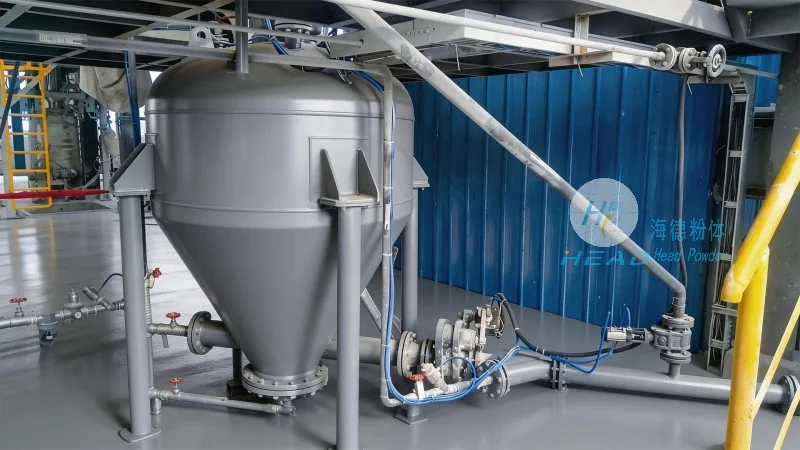
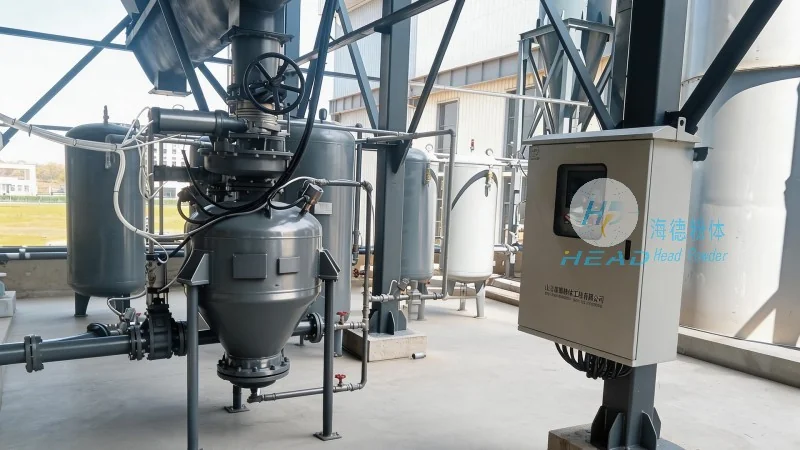
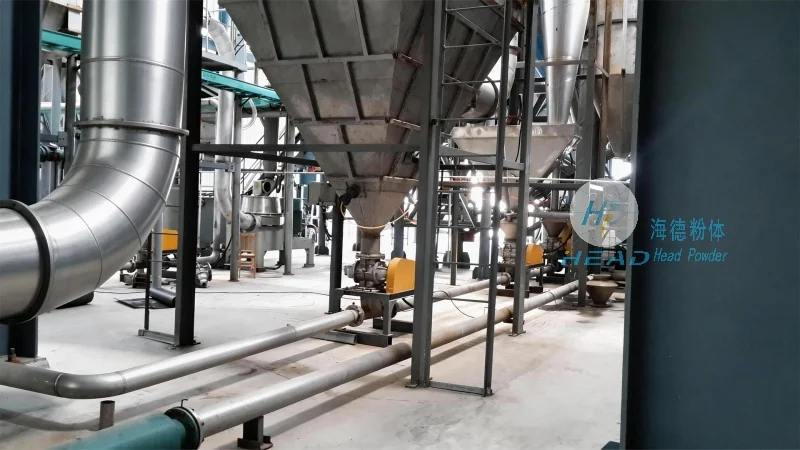
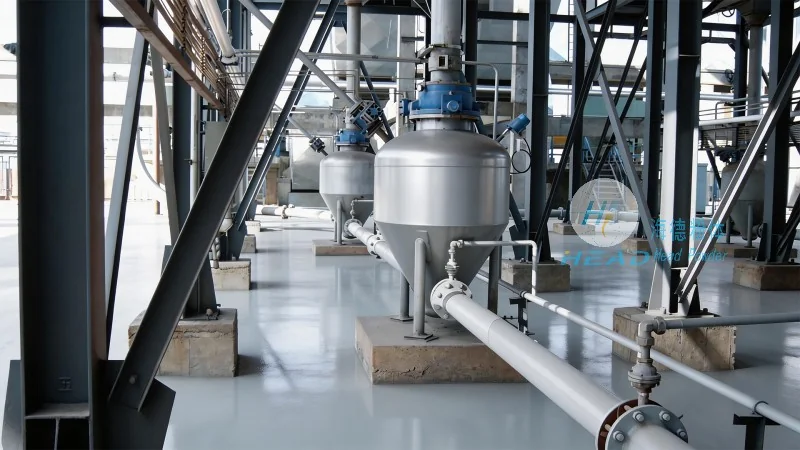
Air-flow or pneumatic conveying systems use air pressure to transport grains through a pipeline. This method can be categorized into pressure and vacuum systems. In pressure systems, compressed air forces the grain through the pipe, while vacuum systems create a negative pressure to draw the grain in. The grain is suspended in the air stream and transported to the destination.
The primary advantage of pneumatic conveying is its ability to transport grains over long distances and vertical heights with minimal labor. It is particularly effective for handling fine or powdery grains that are difficult to move with mechanical systems. The system can also be integrated with dust collection and filtration, improving overall hygiene and safety.
Despite these benefits, pneumatic conveying has notable drawbacks. The high energy consumption is a significant cost factor, as it requires powerful air compressors and fans. The system is also sensitive to grain moisture content and particle size, as overly wet or large particles can cause blockages and system inefficiencies. Additionally, the equipment is more complex and expensive to install and maintain compared to other methods, and it may not be suitable for abrasive or corrosive grains without proper material selection.
Belt Conveyor
Belt conveyors utilize a continuous belt looped over two or more pulleys to transport grains. The belt is typically made of rubber or synthetic materials and is supported by rollers or a flat surface. Grains are placed on the belt and carried to the desired location by the movement of the belt.
One of the key advantages of belt conveyors is their high capacity and ability to handle large volumes of grain over long distances. They are suitable for both horizontal and inclined transport and can be easily modified with inclines or declines. Belt conveyors are also relatively low maintenance and can be designed to handle a wide variety of grain types, including those with high moisture content or sticky characteristics.
However, belt conveyors have limitations, particularly when dealing with abrasive or heavy grains. The belt and pulleys can experience significant wear and tear, leading to higher replacement costs over time. The system is also less efficient for vertical lifting compared to screw or pneumatic conveyors, and it may require additional support structures for long horizontal runs. Furthermore, the risk of product contamination from the belt material or lubricants is a concern, especially for food-grade applications.
Comparison Summary
When selecting a grain conveying method, several factors must be considered, including the type of grain, the distance and height of transport, budget constraints, and operational requirements. Screw conveyors are ideal for short to medium horizontal transport of various grains, offering simplicity and cost-effectiveness. Pneumatic conveying excels in long-distance or vertical transport, particularly for fine grains, but at a higher energy cost. Belt conveyors provide high capacity and flexibility for diverse applications, though with higher maintenance and wear considerations.
For businesses seeking reliable and efficient grain handling solutions, Shandong HeadPowder Engineering Co., Ltd. specializes in designing and manufacturing customized conveying systems tailored to specific operational needs. With a focus on quality and performance, HeadPowder provides comprehensive solutions that enhance productivity and reduce operational costs in grain processing and storage facilities.




