When it comes to handling purified ash in industrial settings, selecting the right conveying method is crucial for efficiency, cost-effectiveness, and operational safety. Various technologies are available, each with distinct characteristics that make them suitable for different applications. This article provides an in-depth comparison of common purified ash conveying methods, focusing on their advantages and disadvantages, to help industrial operators make informed decisions.
1. Pneumatic Conveying Systems
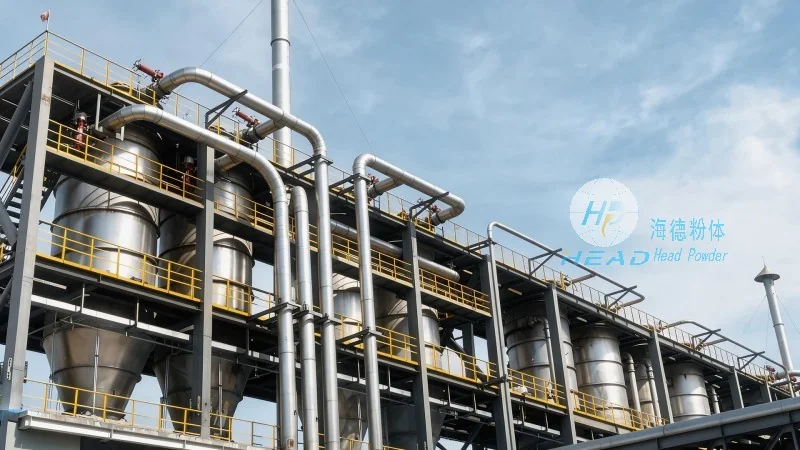
Pneumatic conveying, also known as air-pneumatic transport, is a widely used method for transporting purified ash. This system utilizes compressed air to move the material through a pipeline. There are two main types: pressure and vacuum systems. Pressure systems use positive pressure to push the material forward, while vacuum systems use negative pressure to pull it. The primary advantage of pneumatic conveying is its ability to transport ash over long distances without the need for multiple transfer points. It also allows for enclosed transport, which helps in maintaining environmental standards and reducing dust emissions. However, pneumatic systems can be energy-intensive, especially for high-volume or long-distance transport. Additionally, they may require regular maintenance of air compressors and pipeline components to ensure smooth operation.
2. Mechanical Conveying Systems
Mechanical conveying systems rely on mechanical components such as belts, screws, and buckets to transport purified ash. Belt conveyors are among the most common, offering a cost-effective solution for horizontal or slightly inclined transport. They are suitable for moderate to high volumes and can handle a wide range of ash types. The main advantage of belt conveyors is their simplicity and low maintenance requirements. However, they have limitations in terms of vertical lift capacity and may not be suitable for long-distance or high-rise applications. Screw conveyors, on the other hand, are ideal for vertical or inclined transport and can handle sticky or cohesive ash materials. They are compact and can be installed in confined spaces. The drawbacks include potential for material degradation due to friction and the need for regular cleaning to prevent blockages.
3. Hydraulic Conveying Systems
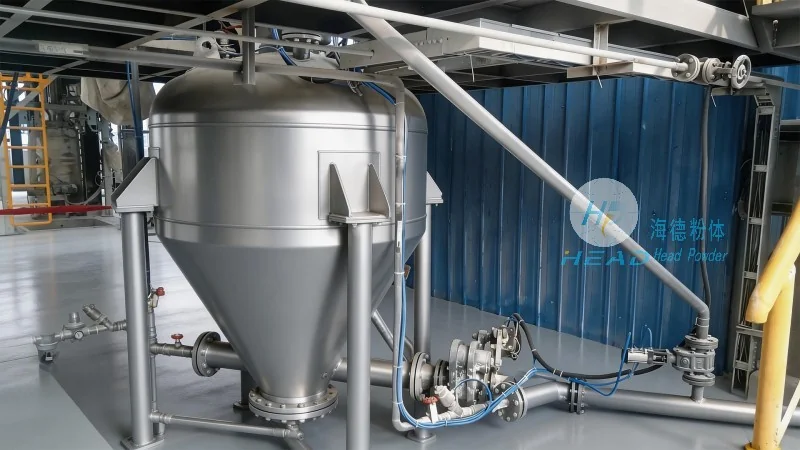
Hydraulic conveying systems use water or other liquids to transport purified ash. This method is particularly effective for handling fine ash particles that are difficult to move by other means. The ash is suspended in water and pumped through pipelines. The primary advantage is its ability to transport ash over long distances with minimal energy consumption compared to pneumatic systems. It also allows for the simultaneous transport of ash and water, which can be beneficial for certain processing applications. However, hydraulic systems require significant water management infrastructure, including treatment and recycling systems. They also have limitations in terms of material compatibility, as some ash types may cause corrosion or scaling in the pipelines. Additionally, the presence of water can lead to increased maintenance due to the need for pump and pipeline cleaning.
4. Comparison and Selection Criteria
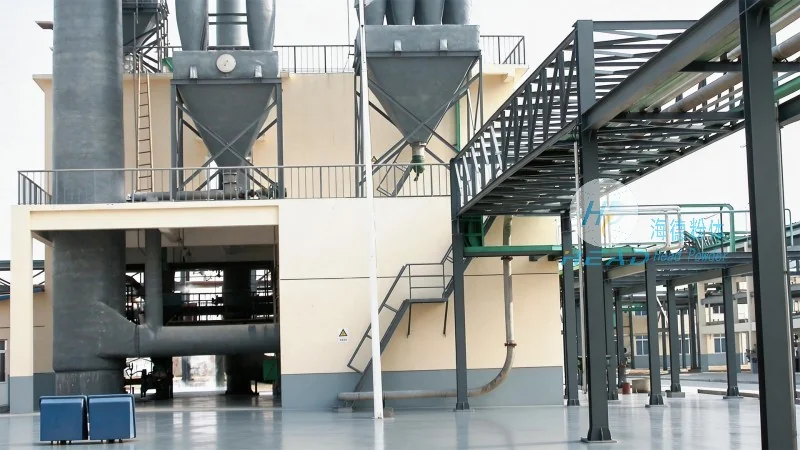
When choosing a purified ash conveying method, several factors need to be considered. The first is the distance and layout of the transport route. For short distances, mechanical systems like belt conveyors may be sufficient. For long distances or complex layouts, pneumatic systems might be more appropriate. The volume and consistency of the ash are also critical. High-volume, free-flowing ash is better suited for pneumatic or mechanical systems, while fine or sticky ash may require hydraulic or specialized mechanical solutions. Cost is another important factor. While pneumatic systems may have higher initial costs due to air compressors, they can offer long-term savings in terms of labor and environmental compliance. Mechanical systems are generally the most cost-effective for moderate volumes. Environmental considerations, such as dust control and emissions, should also guide the selection. Pneumatic and hydraulic systems can provide better environmental control compared to open mechanical systems.
Conclusion
Selecting the right purified ash conveying method requires a thorough analysis of operational needs, material characteristics, and cost implications. Each method has its strengths and weaknesses, and the optimal choice depends on the specific requirements of the industrial application. By understanding the advantages and disadvantages of each option, operators can make informed decisions that enhance efficiency, reduce costs, and ensure compliance with environmental regulations. Shandong HeadPowder Engineering Co., Ltd. specializes in providing tailored conveying solutions for purified ash, leveraging expertise in both pneumatic and mechanical systems to meet diverse industrial needs. With a focus on innovation and customer satisfaction, HeadPowder offers reliable and efficient conveying systems that contribute to the smooth operation of ash handling processes.




