When it comes to handling asbestos powder in industrial settings, selecting the right conveying method is crucial for efficiency, safety, and operational reliability. Asbestos powder, due to its hazardous nature, requires specialized equipment and systems that can manage its flow while minimizing dust exposure and ensuring compliance with safety regulations. This article provides a detailed comparison of common asbestos powder conveying methods, highlighting their advantages and disadvantages to help industrial operators make informed decisions.
Introduction to Asbestos Powder Conveying
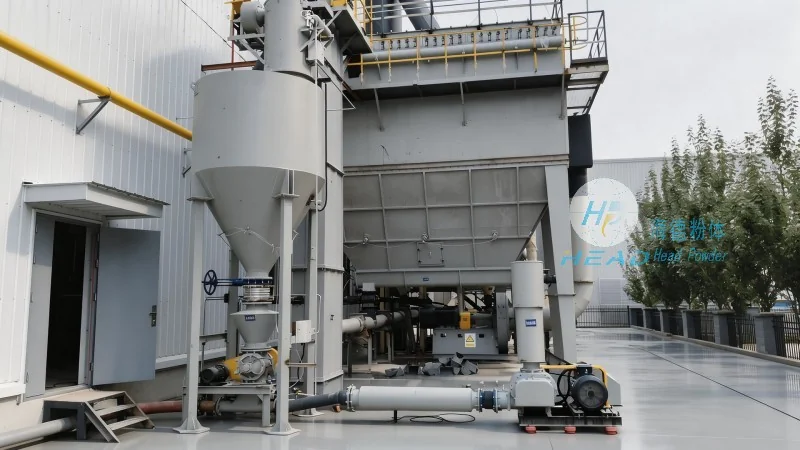
Asbestos powder, a fine particulate material often used in construction and industrial applications, poses significant health risks if not handled properly. Effective conveying systems are essential to transport this material from storage to processing or disposal areas without generating excessive dust or exposing personnel to airborne fibers. The choice of conveying method depends on factors such as material properties, plant layout, required throughput, and safety considerations. Below, we explore several widely used methods for asbestos powder conveyance.
1. Screw Conveyors (Auger Conveyors)
Screw conveyors, also known as auger conveyors, are one of the most common methods for transporting asbestos powder. These systems consist of a rotating helical screw inside a trough or tube, which moves material forward through the system. The primary advantage of screw conveyors is their simplicity and low cost, making them suitable for short to medium distance transport. They are also relatively easy to install and maintain, with minimal moving parts that reduce the risk of mechanical failure. Additionally, screw conveyors can operate in a closed system, which helps contain dust and prevent contamination of the surrounding environment.
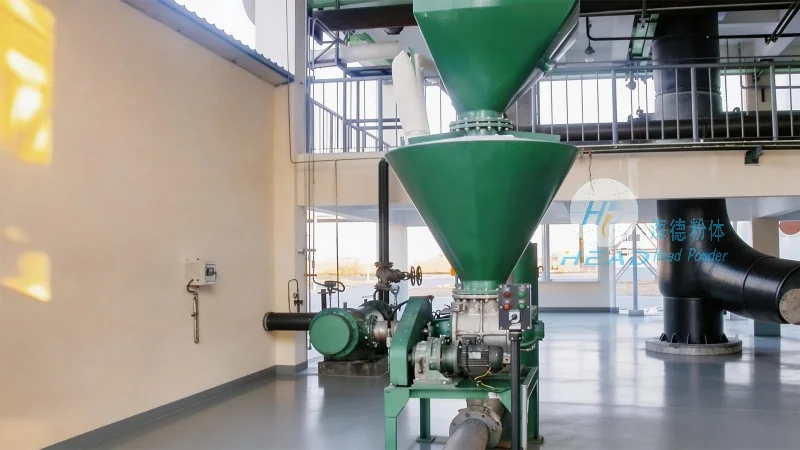
However, screw conveyors have several limitations when handling asbestos powder. Their performance is highly dependent on the material's bulk density and flowability. If the asbestos powder is too fine or has poor flow characteristics, it may cause blockages or uneven conveying. Moreover, screw conveyors are not ideal for long-distance transport, as the material may experience excessive friction and heat buildup, potentially affecting the material's quality or safety. Another drawback is that they may not be suitable for high-throughput applications, as their capacity is generally lower compared to other methods.
2. Pneumatic Conveying Systems
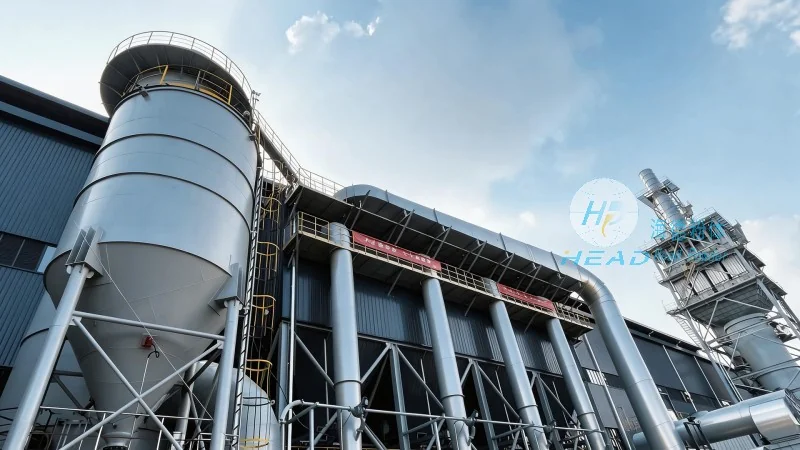
Pneumatic conveying systems use air or other gases to transport asbestos powder through a pipeline. These systems can be categorized into two main types: pressure and vacuum. Pressure systems push material through the pipeline using compressed air, while vacuum systems draw material from the source using a vacuum pump. Pneumatic conveying offers several advantages for asbestos powder handling. First, it provides a fully enclosed system, which effectively contains dust and prevents exposure to personnel. This is particularly important for asbestos, as inhalation of fibers can lead to serious health issues. Second, pneumatic systems can handle a wide range of materials, including fine powders and granules, with minimal degradation. They also allow for flexible routing, enabling material to be transported to multiple destinations from a single source.
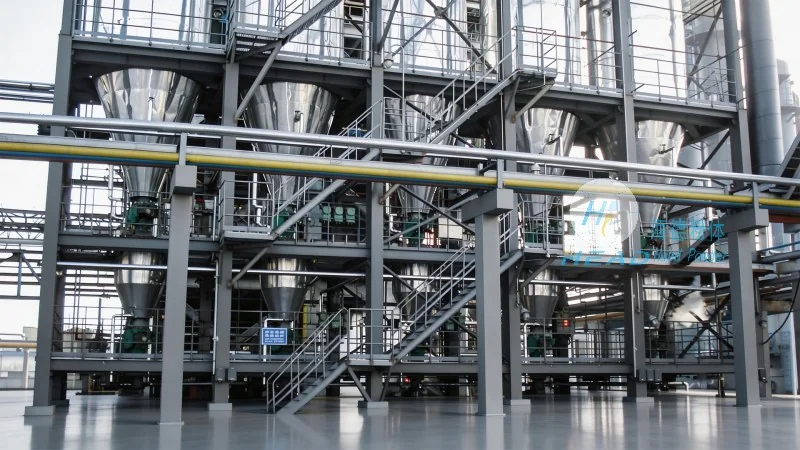
Despite these benefits, pneumatic conveying has its drawbacks. The most significant limitation is the high energy consumption required to move material through the pipeline. Compressing air or maintaining a vacuum can be costly, especially for large-scale operations. Additionally, the system's performance is affected by the material's moisture content and particle size; overly wet or fine powders may cause clogging or increased pressure drop. Another challenge is the need for regular maintenance of the air compressor or vacuum pump, as well as the pipeline system, to ensure smooth operation. Furthermore, the initial investment for pneumatic conveying systems is higher compared to other methods, making it less suitable for small-scale applications.
3. Belt Conveyors
Belt conveyors are another common method for transporting asbestos powder, especially in bulk handling operations. These systems consist of a continuous belt that moves over rollers or idlers, carrying the material from one point to another. Belt conveyors are known for their high capacity and ability to handle large volumes of material over long distances. They are particularly effective for transporting asbestos powder from storage silos or hoppers to processing equipment or loading areas. The primary advantage of belt conveyors is their efficiency in moving large quantities of material with minimal labor. They also provide a stable and consistent flow, which helps maintain process control.




