In the food processing industry, efficient and reliable conveying of chili powder is crucial for maintaining product quality and operational efficiency. Shandong HeadPowder Engineering Co., Ltd., a leading manufacturer based in China, specializes in providing advanced conveying solutions tailored to the unique needs of chili powder handling. This article provides a detailed comparison of common chili powder conveying methods, highlighting their advantages and disadvantages to help businesses make informed decisions.
1. Screw Conveyors: Traditional and Versatile
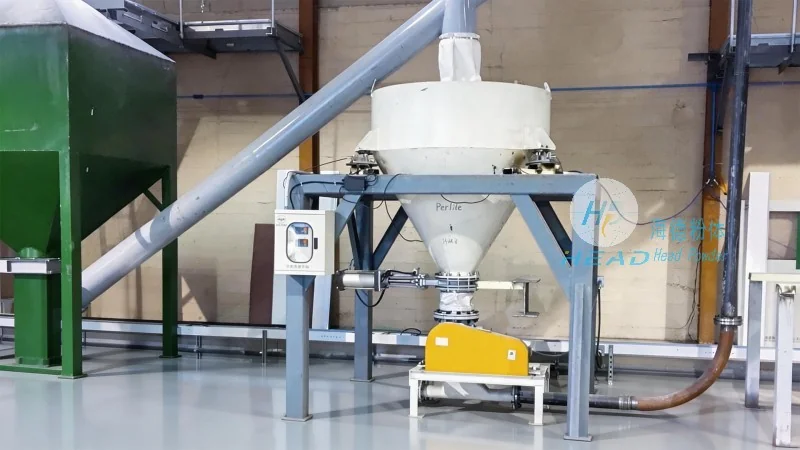
Screw conveyors, also known as auger conveyors, are a traditional method for transporting chili powder. These systems consist of a rotating helical screw inside a tube, which moves material along the conveyor's length. The primary advantage of screw conveyors is their simplicity and low maintenance requirements. They are ideal for horizontal or slight incline applications and can handle a wide range of particle sizes, including fine chili powders. However, their limitations include potential for product degradation due to friction and heat generation, as well as the risk of clogging with sticky or clumping powders. Additionally, screw conveyors may not be suitable for vertical lifting over significant heights due to the mechanical stress on the screw and motor.
2. Pneumatic Conveying Systems: High-Capacity and Flexible
Pneumatic conveying systems use air pressure to transport chili powder through a network of pipes. These systems can be categorized into pressure and vacuum types, offering flexibility in material handling. The main advantage of pneumatic conveying is its ability to handle large volumes of material over long distances with minimal labor. It also provides a closed system, which helps maintain product hygiene and prevents contamination. However, pneumatic systems require more complex setup and higher energy consumption compared to other methods. They may also be less effective with very fine powders that tend to settle in the pipes, leading to increased maintenance for cleaning and potential blockages. Furthermore, the cost of air compressors and the need for regular filter maintenance add to the operational expenses.
3. Vibrating Conveyors: Gentle and Low-Noise
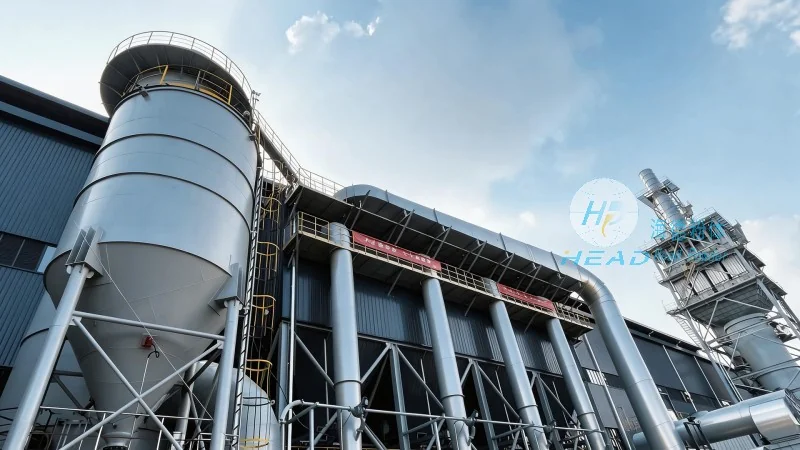
Vibrating conveyors utilize vibration to move chili powder along a trough. This method is particularly suitable for delicate or heat-sensitive products, as it minimizes friction and impact. The primary advantage of vibrating conveyors is their gentle handling, which helps preserve the quality of chili powder by reducing particle breakage and oxidation. They are also relatively quiet and low-maintenance, making them ideal for environments where noise control is important. However, vibrating conveyors have lower conveying capacities compared to screw or pneumatic systems, and they are generally limited to horizontal or slight incline applications. The design also requires careful alignment to ensure efficient material flow, and any misalignment can lead to uneven conveying or increased wear on components.
4. Belt Conveyors: High-Throughput and Cost-Effective
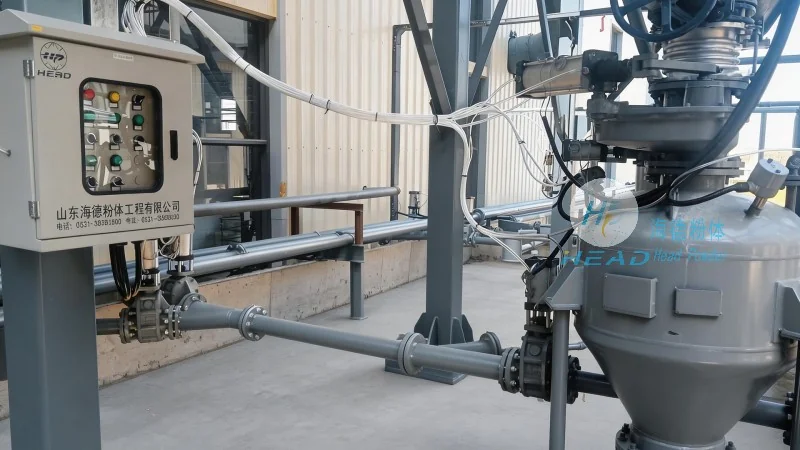
Belt conveyors use a continuous belt to transport chili powder, often combined with hoppers and feeders for material loading. These systems are known for their high throughput and cost-effectiveness, making them suitable for large-scale production lines. The main advantage of belt conveyors is their ability to handle large volumes of material at high speeds with minimal downtime. They are also easy to install and integrate with other processing equipment. However, belt conveyors may not be suitable for very fine powders that can cause the belt to slip or accumulate on the sides. They also require regular maintenance for belt tension and cleaning to prevent material buildup, which can affect performance and hygiene. Additionally, the open design of belt conveyors may expose the product to contamination from the environment, which is a concern for food-grade chili powders.
5. Comparison and Selection Criteria
When selecting a conveying method for chili powder, several factors must be considered, including the material's properties, the required conveying distance, and the desired level of product quality. For example, screw conveyors are a good choice for moderate volumes and horizontal transport, while pneumatic systems excel in long-distance or high-volume applications. Vibrating conveyors are preferred for delicate products, and belt conveyors are ideal for high-throughput operations. Shandong HeadPowder Engineering Co., Ltd. offers customized conveying solutions that address these factors, ensuring optimal performance and efficiency for chili powder handling. By understanding the advantages and disadvantages of each method, businesses can choose the most suitable option to meet their specific needs and maintain the quality of their chili powder products.




