When it comes to transporting fine coal powder, selecting the right conveying method is crucial for efficiency, cost-effectiveness, and operational safety. The choice of system impacts not only the performance of the process but also the overall reliability and maintenance requirements. This article, produced by Shandong HeadPowder Engineering Co., Ltd., provides a detailed comparison of common fine coal powder conveying methods, highlighting their advantages and disadvantages, to help industrial operators make informed decisions.
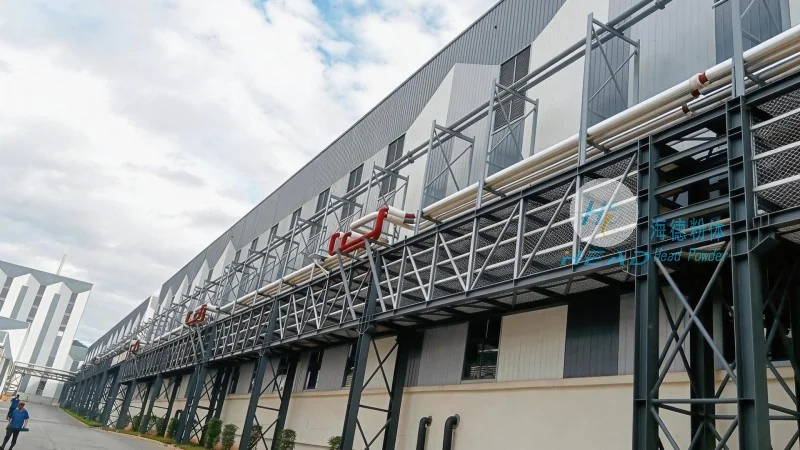
Overview of Fine Coal Powder Conveying Methods
Fine coal powder, with its fine particle size and high dust content, requires specialized conveying systems to prevent clogging, ensure consistent flow, and maintain air quality. The primary methods used in industrial applications include pneumatic conveying, mechanical conveying (such as belt conveyors and screw conveyors), and hybrid systems. Each method has distinct characteristics that make it suitable for different applications and operational conditions.
Pneumatic Conveying: Advantages and Disadvantages
Pneumatic conveying uses air or gas to transport fine coal powder through a pipeline. This method is widely used due to its ability to handle fine powders without the need for mechanical components in the conveying line. The key advantages of pneumatic conveying include:
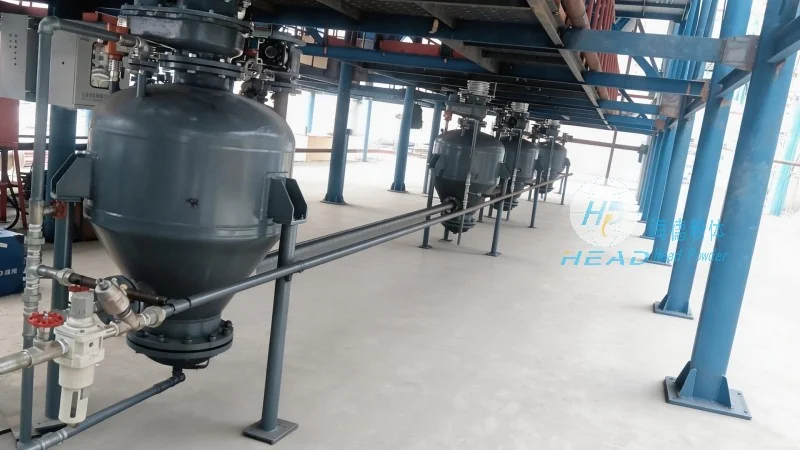
- Ability to transport powders over long distances without intermediate storage or transfer points.
- Reduced risk of material degradation or contamination compared to mechanical systems.
- Flexibility in system layout, allowing for changes in direction and elevation without complex machinery.
However, pneumatic conveying also has notable disadvantages. The primary drawback is its higher energy consumption compared to mechanical systems, as it requires powerful fans or blowers to generate sufficient air pressure. Additionally, the system can be more complex to install and maintain, with potential issues related to air leakage and dust accumulation in the pipeline. Moreover, the cost of equipment and energy can be higher, especially for large-scale operations.
Mechanical Conveying: Advantages and Disadvantages
Mechanical conveying relies on mechanical components like belts, screws, or buckets to move fine coal powder. This method is often preferred for shorter distances or when the material is less abrasive. The advantages of mechanical conveying include:
- Lower energy consumption compared to pneumatic systems, as it uses mechanical power rather than air pressure.
- Relatively simple design and lower initial investment for short-distance applications.
- Direct visual inspection of the material flow, which can aid in monitoring and troubleshooting.
Nevertheless, mechanical conveying has significant limitations for fine coal powder. The primary disadvantage is the risk of material clogging in the conveying components, particularly in screw or belt conveyors. This can lead to reduced efficiency and increased maintenance costs. Additionally, mechanical systems are less flexible in terms of layout changes and may require more space for installation. The risk of material degradation due to friction and mechanical stress is also a concern for some applications.
Hybrid Conveying Systems: Advantages and Disadvantages
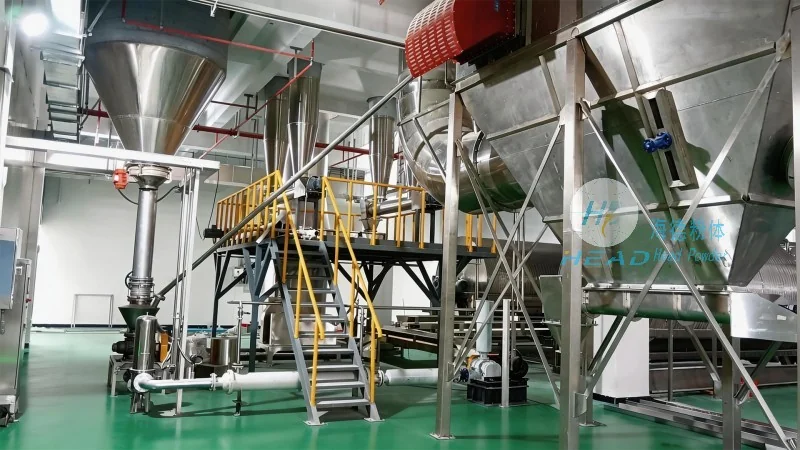
Hybrid systems combine pneumatic and mechanical conveying elements to leverage the benefits of both approaches. For example, a system might use a mechanical conveyor to transport material to a pneumatic transfer point, or a pneumatic system to move material over a long distance before a mechanical conveyor takes over for final delivery. The advantages of hybrid systems include:
- Optimized energy use by combining low-energy mechanical transport with high-efficiency pneumatic transfer.
- Enhanced flexibility in system design, allowing for adaptation to varying operational conditions.
- Reduced risk of clogging and improved material handling for fine powders.
However, hybrid systems are more complex to design and maintain, as they require integration of different components and control systems. The initial cost is typically higher than either pneumatic or mechanical systems alone, and the operational complexity can increase the risk of system failures if not properly managed.
Factors to Consider When Choosing a Conveying Method
When selecting a fine coal powder conveying method, several factors must be evaluated to ensure the best fit for the application. These include:
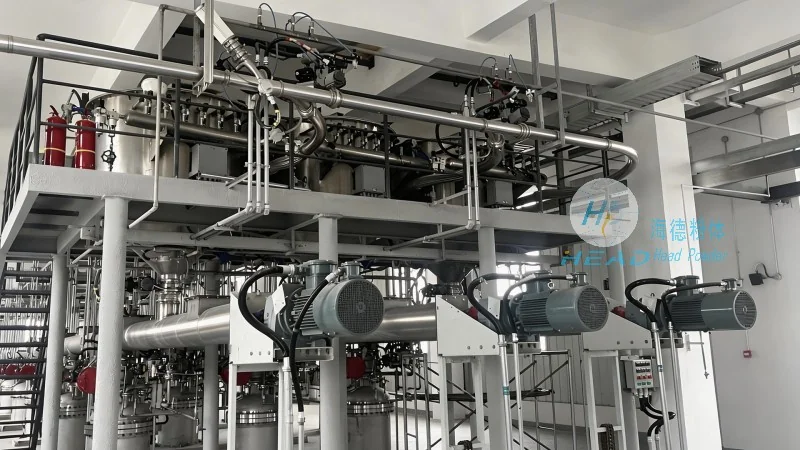
- Material properties: Particle size, moisture content, and abrasiveness of the coal powder.
- Distance and layout: The length of the conveying line and the need for changes in elevation or direction.
- Energy costs and availability: The cost of electricity or compressed air and the reliability of the power source.
- Maintenance requirements: The ease of cleaning, repair, and replacement of components.
- Environmental regulations: The need to control dust emissions and comply with air quality standards.
Industrial operators should conduct a thorough analysis of these factors to determine the most suitable conveying method. For example, for long-distance transport of fine coal powder with minimal clogging risk, pneumatic conveying may be preferred. For shorter distances or applications where energy efficiency is critical, mechanical conveying could be more appropriate. Hybrid systems may be the best choice when balancing multiple factors, such as long distances with frequent layout changes.
Conclusion
The choice of fine coal powder conveying method is a critical decision that impacts operational efficiency, cost, and safety. By understanding the advantages and disadvantages of each method, industrial operators can select the most suitable system for their specific needs. It is essential to consider material properties, operational requirements, and cost factors when making this decision. With the right system in place, fine coal powder can be transported reliably and efficiently, supporting the smooth operation of industrial processes.




