When it comes to handling copper oxide, selecting the right conveying method is crucial for efficiency, cost-effectiveness, and safety in industrial operations. Shandong HeadPowder Engineering Co., Ltd., a leading provider in the field, understands the importance of choosing the most suitable technology for copper oxide transport. This article provides a detailed comparison of common copper oxide conveying methods, highlighting their advantages and disadvantages to help industrial clients make informed decisions.
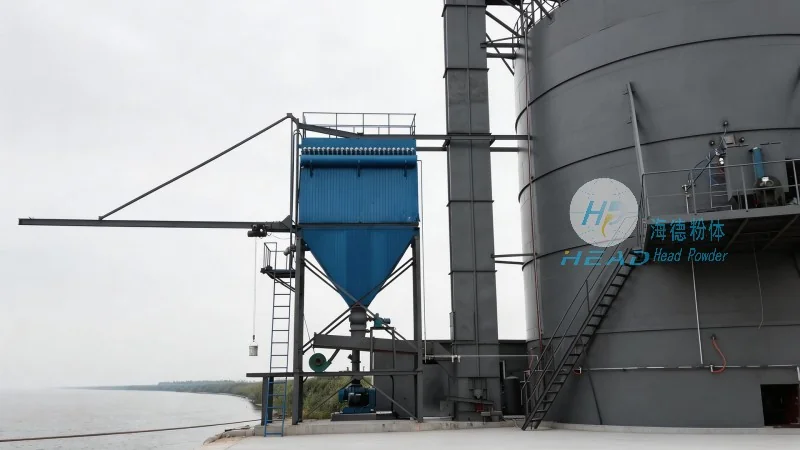
Overview of Copper Oxide and Conveying Challenges
Copper oxide is a widely used material in various industries, including electronics, ceramics, and chemical manufacturing. Its handling requires careful consideration due to its physical properties, such as particle size, density, and reactivity. Conveying copper oxide efficiently while minimizing dust generation, material degradation, and operational costs is a key challenge for many processing facilities. The choice of conveying method directly impacts the overall performance and sustainability of copper oxide handling systems.
Pneumatic Conveying: Advantages and Disadvantages
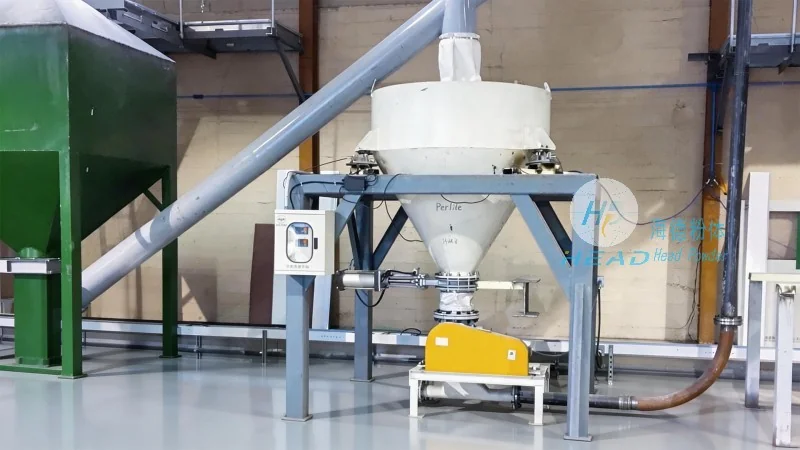
Pneumatic conveying is a popular method for transporting copper oxide, especially in applications where dust control and flexibility are critical. This technique uses air or other gases to move material through a pipeline. One of the primary advantages of pneumatic conveying is its ability to handle fine powders like copper oxide without the need for mechanical components that might cause wear or contamination. It also allows for the integration of dust collection systems, which helps maintain a clean and safe working environment. However, pneumatic conveying has its drawbacks. It often requires higher energy consumption compared to other methods, as the air flow needs to be maintained at sufficient velocity to prevent material settling. Additionally, the system complexity can increase maintenance costs and potential downtime if not properly designed or maintained. Shandong HeadPowder Engineering Co., Ltd. has extensive experience in designing pneumatic conveying systems tailored to copper oxide specifications, ensuring optimal performance and reliability.
Screw Conveyors: Advantages and Disadvantages
Screw conveyors, also known as auger conveyors, are another common method for copper oxide transport. These systems use a rotating screw (auger) to move material along a trough. The primary advantage of screw conveyors is their simplicity and low maintenance requirements. They are particularly effective for handling bulk materials with moderate to high bulk density, such as copper oxide. Screw conveyors can operate in a variety of environments, including those with moisture or temperature variations, making them versatile for different industrial applications. However, screw conveyors have limitations when dealing with very fine or abrasive powders like copper oxide. The screw and trough can experience wear over time, leading to increased maintenance and potential material degradation. Additionally, screw conveyors may not be suitable for long-distance transport or high-velocity applications, as the material can settle or clog the system if not properly designed. Shandong HeadPowder Engineering Co., Ltd. offers customized screw conveyor solutions that address these challenges, ensuring efficient and reliable copper oxide handling.
Pipe Conveyors: Advantages and Disadvantages
Pipe conveyors, also referred to as tube conveyors, use a flexible or rigid tube to transport copper oxide. This method is particularly useful for applications requiring enclosed transport, such as in food or pharmaceutical industries, but can also be applied to copper oxide handling. The main advantage of pipe conveyors is their ability to handle fine powders without the need for external support structures, reducing the risk of contamination and dust exposure. They are also flexible in terms of layout, allowing for curved or vertical transport paths. However, pipe conveyors have some drawbacks. The system can be more expensive to install compared to other methods, especially for long distances or complex layouts. Additionally, the material can settle in the pipe if the flow rate is too low, leading to clogging and reduced efficiency. Proper design and maintenance are essential to ensure smooth operation. Shandong HeadPowder Engineering Co., Ltd. specializes in designing and implementing pipe conveyor systems that meet the specific needs of copper oxide transport, optimizing both performance and cost-effectiveness.
Hydraulic Conveying: Advantages and Disadvantages
Hydraulic conveying is a less common method for copper oxide but is used in certain applications where water-based transport is feasible. This technique involves using water to move material through a pipeline. The primary advantage of hydraulic conveying is its ability to handle very fine or abrasive powders without causing excessive wear on the system components. It can also be used for long-distance transport with relatively low energy consumption compared to pneumatic systems. However, hydraulic conveying has significant disadvantages, particularly in terms of environmental impact and material compatibility. The use of water can lead to increased water consumption and potential contamination of the copper oxide, which may affect downstream processes. Additionally, the system requires regular cleaning and maintenance to prevent clogging and corrosion. Shandong HeadPowder Engineering Co., Ltd. evaluates the suitability of hydraulic conveying for copper oxide applications based on specific client requirements and environmental considerations.
Choosing the Right Conveying Method for Copper Oxide
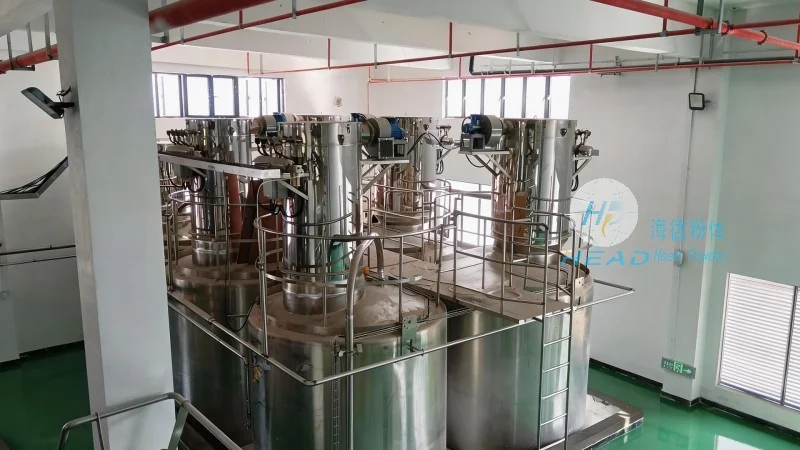
The selection of the most appropriate copper oxide conveying method depends on several factors, including the material's properties, the distance to be transported, the required flow rate, and the operational environment. Industrial clients should consider the trade-offs between cost, efficiency, and safety when making their decision. For example, pneumatic conveying may be ideal for fine copper oxide with strict dust control requirements, while screw conveyors might be more suitable for bulk handling in less demanding environments. Shandong HeadPowder Engineering Co., Ltd. provides comprehensive consulting services to help clients assess their specific needs and choose the best conveying method for their copper oxide handling systems. By leveraging their expertise and experience, clients can optimize their operations and achieve better results in copper oxide processing.
Conclusion
In conclusion, the choice of copper oxide conveying method significantly impacts the efficiency and safety of industrial operations. Each method has its own set of advantages and disadvantages, and the optimal solution depends on the specific application and operational requirements. Shandong HeadPowder Engineering Co., Ltd. is committed to providing high-quality conveying solutions tailored to the unique needs of copper oxide handling, ensuring that clients achieve the best possible performance and cost-effectiveness. Whether through pneumatic, screw, pipe, or hydraulic systems, the company's expertise and customized approach help industrial clients make informed decisions and improve their copper oxide processing capabilities.




