When it comes to transporting potassium chloride (KCl), selecting the right method is crucial for efficiency, cost-effectiveness, and safety. Various transport methods are employed in industrial and agricultural applications, each with its own set of advantages and disadvantages. This article provides a detailed comparison of common potassium chloride transport methods, helping you make an informed decision based on your specific needs.
Overview of Potassium Chloride Transport Methods
Potassium chloride is a widely used chemical compound in agriculture, industry, and pharmaceuticals. Its transport requires careful consideration due to its physical and chemical properties. The primary methods for transporting KCl include bulk handling via trucks, railcars, and ships, as well as specialized equipment like conveyor systems and pneumatic conveyors. Each method has distinct characteristics that influence its suitability for different scenarios.
Bulk Truck Transport: Advantages and Disadvantages
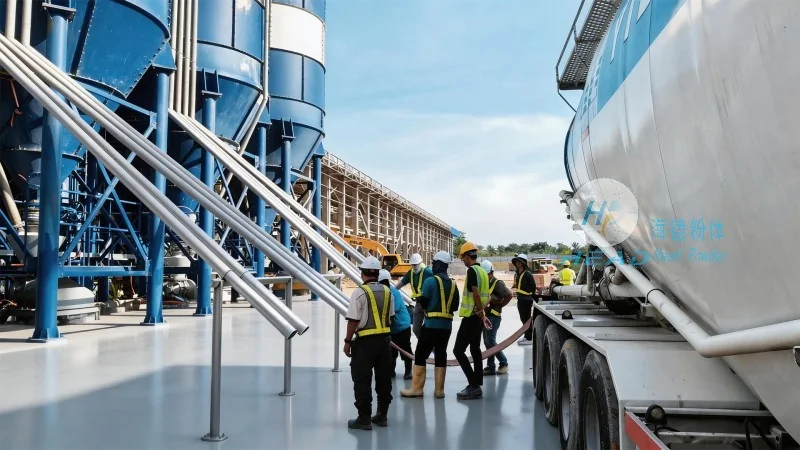
Bulk truck transport is one of the most common methods for moving potassium chloride. It involves loading KCl into specialized trucks equipped with bulk containers or trailers. This method offers flexibility in terms of delivery locations, as trucks can access a wide range of sites, including remote areas. The advantages of bulk truck transport include its ability to handle large volumes and provide timely deliveries, making it ideal for short to medium distances. However, it also has several drawbacks. The primary disadvantage is the higher cost compared to other methods, especially for long distances. Additionally, truck transport may face traffic congestion and weather-related delays, which can impact delivery schedules. Environmental concerns, such as emissions and road wear, are also factors to consider.
Railcar Transport: Advantages and Disadvantages
Railcar transport is another popular option for transporting potassium chloride, particularly for long-distance and bulk shipments. Railcars are designed to carry large quantities of KCl, often in specialized hopper cars. One of the key advantages of rail transport is its cost-effectiveness for long distances. Compared to trucks, rail transport can be significantly cheaper per ton-mile, making it an attractive option for large-scale operations. Another advantage is its lower environmental impact, as rail transport generally emits fewer greenhouse gases and pollutants. However, rail transport has limitations in terms of flexibility. Rail lines are fixed, and delivery locations are restricted to existing rail infrastructure. This can be a disadvantage if the destination is not near a rail station. Additionally, rail transport may experience delays due to track maintenance or other railway operations.
Ship Transport: Advantages and Disadvantages
For international and interregional transport of potassium chloride, ship transport is often the most economical method. Large bulk carriers or tankers are used to transport KCl, especially when moving large volumes across oceans or major waterways. The primary advantage of ship transport is its low cost per ton-mile for long distances, making it highly cost-effective for global trade. Another advantage is its ability to handle extremely large volumes, which is beneficial for bulk commodity transport. However, ship transport has several significant disadvantages. The most notable is the long transit time, as ships take days or even weeks to reach their destination. This can lead to delays in supply chains, especially for time-sensitive applications. Additionally, ship transport is highly dependent on weather conditions, as storms or rough seas can cause delays or even damage to the cargo. Security concerns are also a factor, as ships may be vulnerable to piracy or other maritime threats.
Pneumatic Conveyor Systems: Advantages and Disadvantages
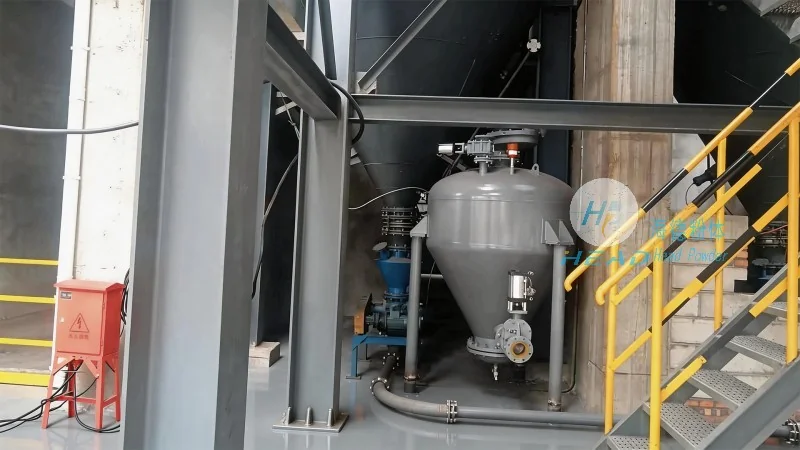
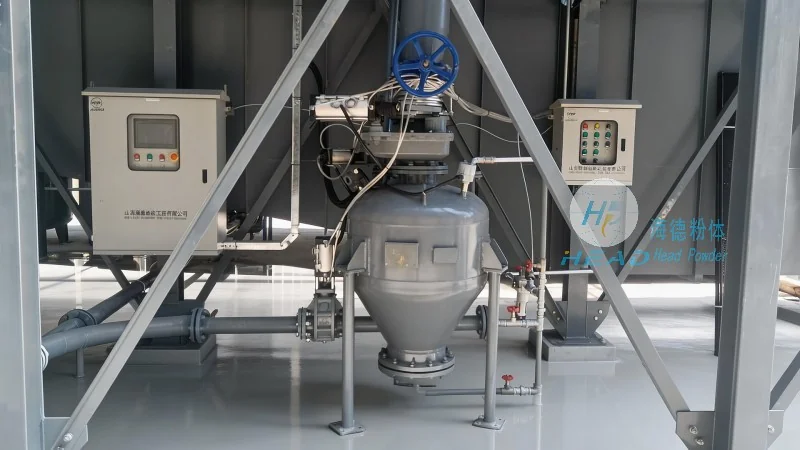
Pneumatic conveyor systems use air pressure to transport potassium chloride in a closed system. This method is particularly suitable for transporting KCl in powder or granular form, as it can handle fine particles without the need for mechanical contact. One of the main advantages of pneumatic conveyors is their ability to transport KCl over long distances with minimal maintenance. They are also relatively compact and can be installed in confined spaces, making them ideal for industrial settings. Another advantage is that they can handle varying particle sizes and moisture content without causing segregation or degradation of the material. However, pneumatic conveyor systems have several drawbacks. The primary disadvantage is the high energy consumption, as they require significant air pressure to move the material. This can increase operational costs. Additionally, they may not be suitable for very large volumes, as the system's capacity is limited by the air flow rate. Maintenance of the air filtration and compression systems is also necessary to ensure efficient operation.
Conveyor Belt Systems: Advantages and Disadvantages
Conveyor belt systems are another common method for transporting potassium chloride, especially in industrial settings where material is moved over short to medium distances. These systems consist of a continuous belt that transports KCl from one location to another, often in a controlled environment. The advantages of conveyor belt systems include their high capacity and ability to handle large volumes of material. They are also relatively low-maintenance and can operate continuously without interruption. Another advantage is that they can be customized to fit specific layouts and requirements, allowing for efficient material flow. However, conveyor belt systems have limitations in terms of flexibility. They are typically fixed in place and cannot easily be reconfigured for different routes. This can be a disadvantage if the transport route needs to be changed frequently. Additionally, they may not be suitable for very fine or powdery KCl, as the material can easily fall through the belt or cause clogging. Maintenance of the belt and rollers is also required to prevent wear and tear.
Choosing the Right Transport Method for Potassium Chloride
When selecting a transport method for potassium chloride, several factors must be considered to ensure the best fit for your needs. The primary factors include the volume of KCl to be transported, the distance between the source and destination, the cost considerations, and the environmental impact. For short distances and small volumes, bulk truck transport may be the most practical option. For long distances and large volumes, rail or ship transport may be more cost-effective. For industrial applications requiring continuous material flow, conveyor belt systems or pneumatic conveyors may be more suitable. It is also important to consider the specific properties of the KCl, such as its particle size and moisture content, as these can affect the choice of transport method. Consulting with a transportation expert or a company specializing in bulk chemical transport, such as Shandong HeadPowder Engineering Co., Ltd., can provide valuable insights and help you make an informed decision.
Conclusion
Transporting potassium chloride requires careful evaluation of various methods, each with its own advantages and disadvantages. By understanding the characteristics of each transport method and considering your specific requirements, you can select the most appropriate option for your operations. Whether you choose bulk truck, rail, ship, pneumatic conveyor, or conveyor belt systems, the key is to balance efficiency, cost, and safety. For reliable and efficient transport solutions, Shandong HeadPowder Engineering Co., Ltd. offers expertise and services tailored to the needs of potassium chloride transport, ensuring that your operations run smoothly and effectively.




