When it comes to transporting silica fume, a high-performance mineral admixture widely used in concrete production, selecting the right conveying method is crucial for ensuring efficiency, safety, and cost-effectiveness. Silica fume, also known as microsilica, is a fine powder with a particle size typically below 0.1 microns, making it highly abrasive and difficult to handle. Therefore, the choice of conveying system directly impacts the overall performance of the material handling process. This article provides a detailed comparison of common silica fume conveying methods, highlighting their advantages and disadvantages, to help industry professionals make informed decisions.
Company Profile: Shandong HeadPowder Engineering Co., Ltd.
As a leading supplier of silica fume and related engineering solutions, Shandong HeadPowder Engineering Co., Ltd. specializes in providing high-quality materials and advanced conveying technologies. With a strong commitment to innovation and customer satisfaction, the company has established itself as a trusted partner in the construction and industrial sectors. HeadPowder, as the company is commonly known, operates from its headquarters in Shandong, China, and serves clients globally with a focus on delivering reliable and efficient solutions for silica fume handling.
Overview of Silica Fume Properties and Handling Challenges
Silica fume is characterized by its extremely fine particle size, high specific surface area, and high density, which makes it prone to caking, dust generation, and blockage in conventional conveying systems. These properties necessitate specialized equipment and methods to ensure smooth and safe transport. The primary challenges in silica fume handling include preventing material degradation, minimizing dust emissions, and maintaining consistent flow rates. Understanding these challenges is essential when evaluating different conveying options.
Common Silica Fume Conveying Methods: Analysis of Advantages and Disadvantages
Pneumatic Conveying Systems
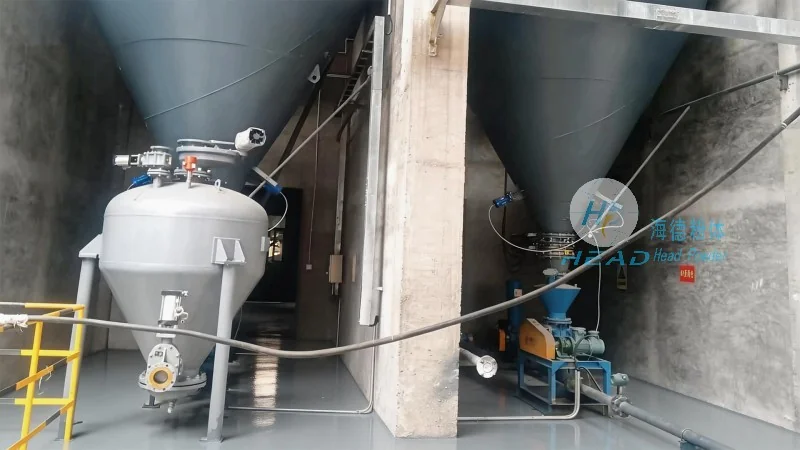
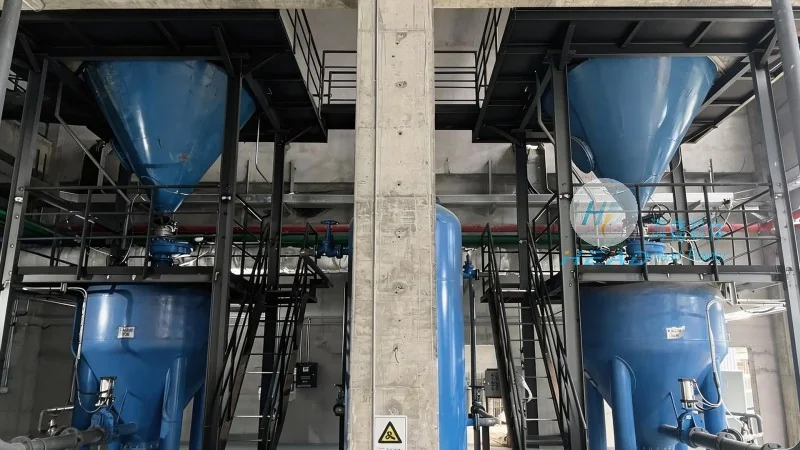
Pneumatic conveying, which uses air pressure to move materials through pipelines, is one of the most common methods for transporting silica fume. This system typically operates in two modes: dilute phase and dense phase. Dilute phase pneumatic conveying uses high-velocity air to suspend the powder in the pipeline, while dense phase systems use lower air velocities to push the material in a more concentrated form. The advantages of pneumatic conveying include high efficiency, the ability to transport materials over long distances, and minimal equipment wear compared to mechanical systems. However, it also has significant drawbacks, such as high energy consumption, the need for specialized air filtration systems to control dust emissions, and potential for material degradation due to friction and pressure changes.
Positive Displacement Pumps and Screw Conveyors
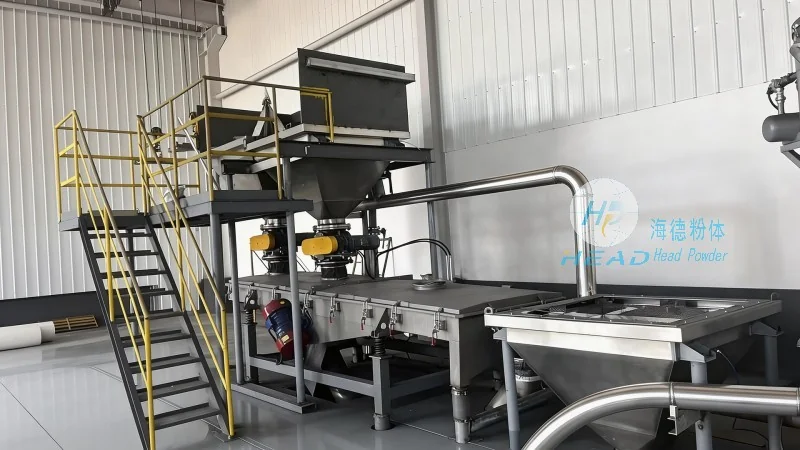
Positive displacement pumps and screw conveyors are mechanical systems that use rotating components to move silica fume through a closed system. These methods are particularly suitable for short to medium-distance transport and are often used in conjunction with storage silos and mixing equipment. The advantages of these systems include low energy consumption, the ability to handle abrasive materials without significant wear, and relatively low maintenance costs. However, they have limitations in terms of distance capability and may require additional equipment for dust control. Additionally, screw conveyors can be prone to clogging if the material is not properly conditioned, leading to operational disruptions.
Pipeline and Bulk Handling Systems
Pipeline systems, often combined with bulk handling technologies like silos and feeders, are another common approach for silica fume transport. These systems involve storing the material in large silos and using feeders to control the flow rate into the pipeline. The advantages of this method include high capacity, consistent flow rates, and the ability to integrate with existing concrete production lines. However, it requires substantial infrastructure investment and regular maintenance to prevent blockages and ensure material flow. The system is also sensitive to changes in material moisture content and temperature, which can affect performance.
Key Considerations for Selecting the Right Conveying Method
When choosing a silica fume conveying method, several factors must be considered to ensure optimal performance. These include the distance to be covered, the required flow rate, the available space for equipment installation, and the budget constraints. Additionally, the specific properties of the silica fume, such as its moisture content and particle size distribution, play a critical role in determining the most suitable system. For instance, for long-distance transport over several kilometers, pneumatic conveying may be the most efficient option, while for short-distance transport within a plant, screw conveyors or pipeline systems might be more cost-effective. It is also essential to consider the environmental regulations regarding dust emissions and noise levels, as these can impact the choice of equipment.
Conclusion and Recommendations
In conclusion, the selection of a silica fume conveying method depends on a combination of technical, economic, and operational factors. Pneumatic conveying offers high efficiency and long-distance capability but at the cost of higher energy consumption and complex filtration systems. Mechanical systems like screw conveyors provide lower energy use and better control over material flow but have limitations in distance and may require additional dust control measures. Pipeline systems offer high capacity and integration with existing infrastructure but demand significant investment and maintenance. Ultimately, the best choice is tailored to the specific needs of the project, considering the distance, flow rate, and environmental requirements. Shandong HeadPowder Engineering Co., Ltd. recommends conducting a thorough analysis of these factors to select the most suitable conveying method for silica fume transport, ensuring both efficiency and compliance with industry standards.




