Efficient and reliable transportation of cement raw materials is a critical component in the production process of cement. The choice of conveying method directly impacts the overall efficiency, cost, and environmental impact of a cement plant. In this article, we will explore several common cement raw material conveying methods, analyzing their advantages and disadvantages to help industrial operators make informed decisions.
Pneumatic Conveying Systems
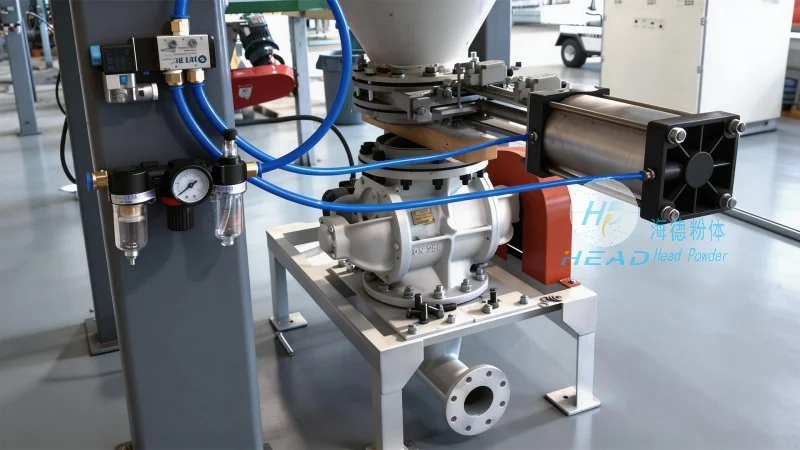
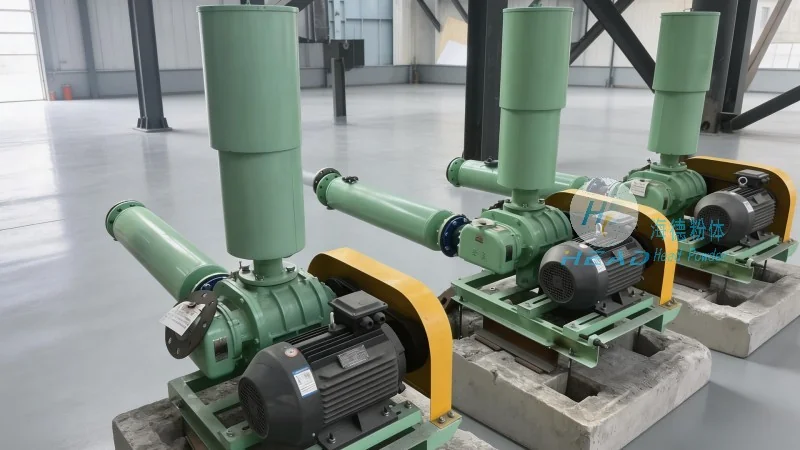
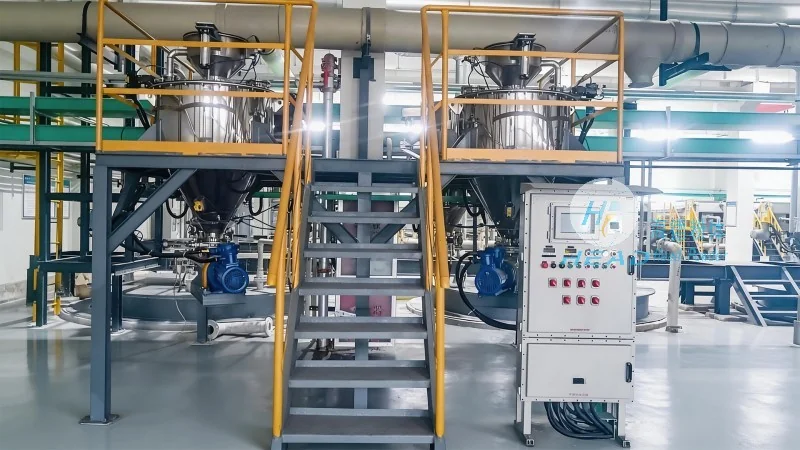
Pneumatic conveying uses air pressure to transport bulk materials like cement raw materials through a pipeline system. This method is widely used in the cement industry due to its ability to handle fine powders and its flexibility in system design. The primary advantages of pneumatic conveying include high transport efficiency, minimal material degradation, and the ability to integrate with other process equipment. However, it also has notable disadvantages, such as higher energy consumption, potential for material segregation, and the need for specialized equipment to prevent blockages and maintain system integrity. The system typically involves a blower, hopper, and pipeline network, with options for both positive and negative pressure operation. For companies like Shandong HeadPowder Engineering Co., Ltd., pneumatic conveying solutions are designed to optimize material flow while ensuring compliance with industry standards.
Belt Conveyors for Raw Material Transport
Belt conveyors are a traditional and widely adopted method for transporting bulk materials, including cement raw materials, over long distances. These systems consist of a continuous loop of material-handling belt supported by rollers and pulleys. The primary advantage of belt conveyors is their high capacity and ability to handle large volumes of material with minimal maintenance. They are also relatively cost-effective for long-distance transport and can be easily integrated into existing plant layouts. However, belt conveyors have significant drawbacks, including the risk of material spillage, belt wear and tear, and the need for regular maintenance to prevent breakdowns. Additionally, they are less suitable for transporting fine powders, as the material can fall through the belt or cause uneven distribution. Shandong HeadPowder Engineering Co., Ltd. offers customized belt conveyor solutions that address these challenges, incorporating features like tension control systems and material feeding mechanisms to enhance performance and longevity.
Screw Conveyors: A Compact Solution
Screw conveyors, also known as auger conveyors, use a rotating screw to move materials along a tube or trough. This method is particularly suitable for transporting bulk materials in a vertical or inclined direction, making it ideal for applications where space is limited or where material needs to be elevated. The main advantages of screw conveyors include their compact design, low energy consumption, and ability to handle a wide range of materials, including fine powders and granules. They are also relatively simple to install and maintain, with fewer moving parts compared to other systems. Nevertheless, screw conveyors have limitations, such as the risk of material bridging or clogging, especially with cohesive materials. The screw speed and trough design must be carefully selected to prevent these issues. For industrial applications, Shandong HeadPowder Engineering Co., Ltd. provides screw conveyor systems tailored to specific material characteristics and operational requirements, ensuring reliable and efficient material transport.
Bucket Elevators for Vertical Transport
Bucket elevators are vertical conveying systems that use a continuous chain or belt with attached buckets to lift materials from a lower to a higher level. This method is commonly used in cement plants to transport raw materials vertically, often over several stories. The primary advantage of bucket elevators is their high vertical lifting capacity and ability to handle large volumes of material with minimal space requirements. They are also relatively energy-efficient and can be integrated with other process equipment. However, bucket elevators have significant drawbacks, including the risk of material spillage at the discharge point, potential for bucket wear and tear, and the need for regular inspection to prevent mechanical failures. The system requires careful alignment and maintenance to ensure smooth operation. Shandong HeadPowder Engineering Co., Ltd. specializes in designing and manufacturing bucket elevators that meet the specific needs of the cement industry, incorporating features like wear-resistant buckets and advanced control systems to enhance durability and performance.
Conclusion: Choosing the Right Conveying Method
The selection of a cement raw material conveying method depends on various factors, including the type of material, plant layout, distance of transport, and budget constraints. Each method has its own set of advantages and disadvantages, and the optimal choice is often a balance between efficiency, cost, and operational requirements. For industrial operators seeking reliable and efficient conveying solutions, Shandong HeadPowder Engineering Co., Ltd. offers comprehensive expertise and customized systems tailored to the unique needs of the cement industry. With a focus on quality and innovation, the company provides solutions that enhance production efficiency, reduce operational costs, and ensure compliance with industry standards. Whether considering pneumatic, belt, screw, or bucket elevators, Shandong HeadPowder Engineering Co., Ltd. is committed to delivering high-performance conveying systems that meet the demands of modern cement production.




