For industries dealing with foam plastics, selecting the right conveying method is crucial for efficiency, cost-effectiveness, and material integrity. Shandong HeadPowder Engineering Co., Ltd., a leading provider in the field with operations in Shandong, China, offers insights into the common foam plastic conveying methods, highlighting their pros and cons to help businesses make informed decisions.
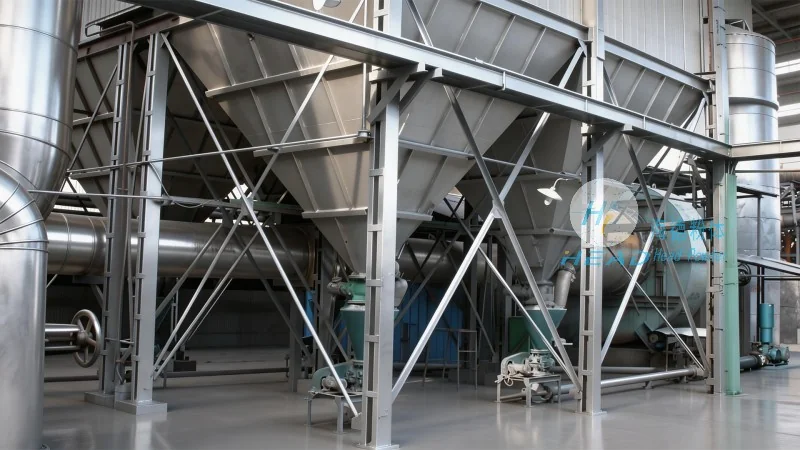
Introduction to Foam Plastic Conveying
Conveying foam plastics requires specialized equipment due to their lightweight, porous, and often fragile nature. Traditional bulk material handling systems may not be suitable, as foam materials can be easily damaged or lose their structural integrity during transport. Therefore, understanding the characteristics of foam plastics and the capabilities of different conveying methods is essential for optimizing production processes. HeadPowder, with its expertise in material handling solutions, provides comprehensive guidance on selecting the most appropriate conveying system for foam plastic applications.
1. Gravity Conveying Systems
Gravity conveying systems utilize the natural force of gravity to move foam plastics from one location to another. These systems typically consist of inclined chutes or conveyor belts that allow materials to slide down under the influence of gravity. The primary advantage of gravity conveying is its low energy consumption, as it does not require motors or other power sources. This makes it an economical choice for short-distance transfers where the material can flow freely without excessive friction or pressure. However, gravity systems are limited by the need for a sufficient slope and the physical properties of the foam, such as density and shape. For irregularly shaped or lightweight foam pieces, the risk of material jams or uneven flow increases, potentially leading to inefficiencies or material damage. Additionally, gravity conveying may not be suitable for vertical or long horizontal distances, as the required slope may become impractically steep or long.
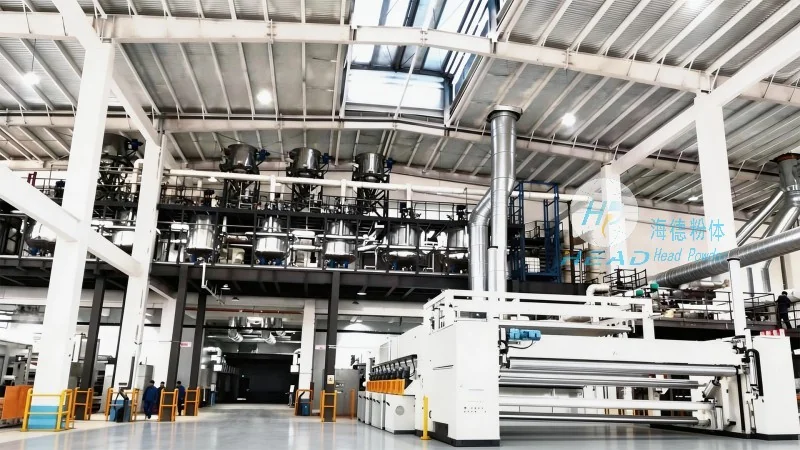
2. Mechanical Conveying Methods
Mechanical conveying systems employ mechanical components, such as belts, screws, or rollers, to transport foam plastics. The most common types include belt conveyors, screw conveyors, and roller conveyors. Belt conveyors use a continuous belt to move materials along a path, making them ideal for horizontal or slightly inclined transport. They are versatile and can handle a wide range of foam types, including irregularly shaped or lightweight pieces. The advantages of belt conveyors include high capacity, low maintenance, and the ability to transport materials over long distances. However, they may experience issues with material buildup on the belt, especially for sticky or porous foam, which can affect performance and require regular cleaning. Screw conveyors, also known as auger conveyors, use a rotating screw to push materials forward. They are particularly effective for vertical or inclined transport and can handle materials with varying densities. The main benefits include compact design, low space requirements, and the ability to mix or blend materials during transport. Nevertheless, screw conveyors can cause excessive pressure and friction on foam materials, potentially leading to compression or damage to the foam's structure. This is especially problematic for delicate or low-density foam products.
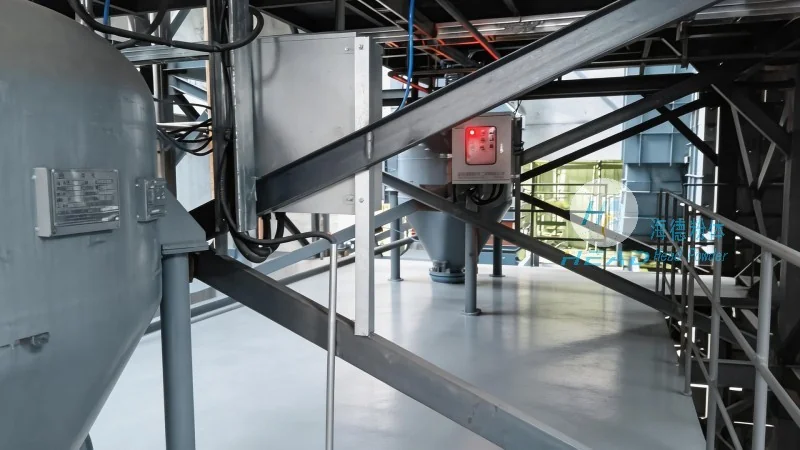
3. Pneumatic Conveying Systems
Pneumatic conveying systems use air or other gases to transport foam plastics through a pipeline. These systems are classified into two main types: pressure and vacuum. Pressure systems force air and material through the pipeline using a blower or compressor, while vacuum systems create a negative pressure to draw materials into the line. Pneumatic conveying offers several advantages, including the ability to transport materials over long distances, vertical or horizontal, with minimal material degradation. It is also suitable for handling fine or powdery foam materials that might be difficult to move with other systems. The system can be designed to be fully enclosed, preventing dust or debris from escaping and maintaining a clean environment. However, pneumatic conveying has significant drawbacks, particularly in terms of energy consumption and material handling. The high air pressure required to move foam materials can lead to increased operational costs. Additionally, the system may experience issues with material separation or blockages, especially if the foam is lightweight or has a tendency to cling to the pipeline walls. Maintenance of the air filtration and compression equipment is also more complex compared to other conveying methods.
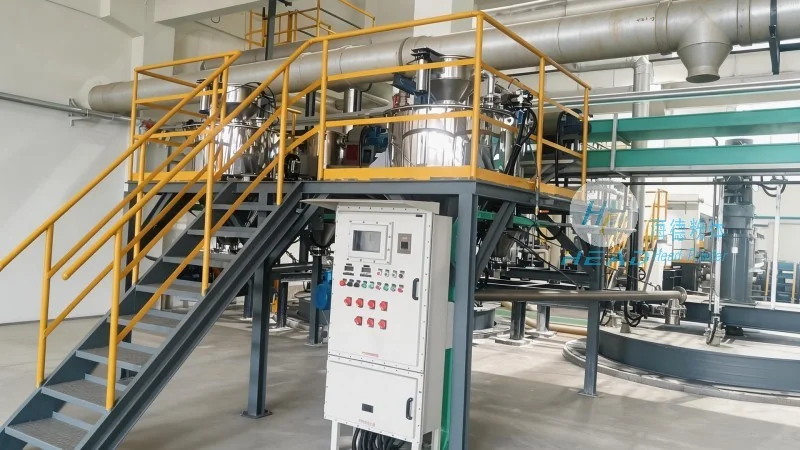
4. Hydraulic Conveying Methods
Hydraulic conveying systems use fluid power to transport foam plastics. These systems typically involve a hydraulic pump that drives a piston or cylinder to move materials through a pipeline. Hydraulic systems are known for their high force and precision, making them suitable for heavy or dense foam materials. The primary advantage is the ability to handle materials with high pressure and force, ensuring reliable transport even in challenging conditions. However, hydraulic conveying is generally less common for foam plastics due to its complexity and higher cost. The system requires specialized components, such as hydraulic pumps, cylinders, and control valves, which can increase maintenance and operational expenses. Additionally, hydraulic systems may not be suitable for lightweight or delicate foam materials, as the high pressure could cause deformation or damage. The complexity of the system also limits its application to specific industrial settings where the benefits outweigh the drawbacks.
Conclusion and Recommendations
Choosing the right foam plastic conveying method depends on several factors, including the material properties, distance to be covered, required capacity, and budget constraints. Gravity systems are ideal for short, horizontal distances with suitable slope and material properties. Mechanical systems, particularly belt conveyors, offer versatility and high capacity for various foam types. Pneumatic systems are suitable for long distances and enclosed transport but require careful consideration of energy costs and maintenance. Hydraulic systems are best for heavy or dense foam materials where high force is needed but may not be cost-effective for general use. Shandong HeadPowder Engineering Co., Ltd. recommends conducting a thorough analysis of the specific application requirements to select the most appropriate conveying method. By understanding the advantages and disadvantages of each system, businesses can optimize their material handling processes, reduce costs, and ensure the integrity of their foam products. With its expertise in foam plastic handling solutions, HeadPowder provides tailored advice and equipment to meet the unique needs of each client, ensuring efficient and reliable transport of foam materials.




