When it comes to handling glass microspheres, specifically GGBS (Glass Microsphere), selecting the right conveying method is crucial for efficiency and material integrity. This article provides a detailed comparison of common GGBS conveying methods, highlighting their advantages and disadvantages to help industrial operators make informed decisions.
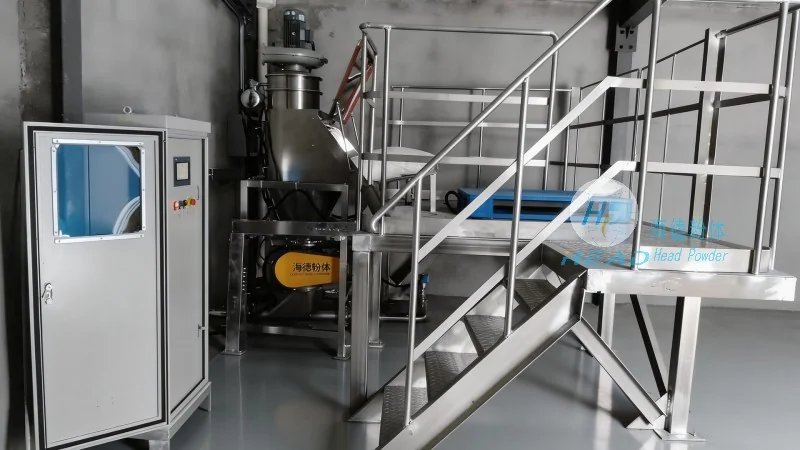
Overview of GGBS and Conveying Importance
GGBS, or glass microspheres, are lightweight, hollow particles commonly used as a lightweight aggregate in construction materials. Their unique properties, such as low density and high strength, make them valuable in applications like lightweight concrete, insulation, and other building products. Efficient conveying of GGBS is essential to maintain particle integrity, minimize dust generation, and ensure consistent material flow in production lines. The choice of conveying method directly impacts operational costs, safety, and product quality.
1. Screw Conveyors for GGBS Handling
Screw conveyors are a widely used method for transporting GGBS due to their simplicity and adaptability. These systems consist of a rotating screw (or auger) inside a trough, which moves material along the length of the conveyor. The primary advantage of screw conveyors is their ability to handle a wide range of materials, including powders and granules, without the need for additional components like buckets or belts. They are particularly effective for vertical or inclined transport, making them suitable for elevating GGBS from lower to higher levels in a facility. However, screw conveyors have limitations when dealing with very fine or cohesive GGBS powders, as they may experience clogging or reduced efficiency. Additionally, the friction between the screw and the material can generate heat, potentially affecting the material's properties if the temperature rises significantly.
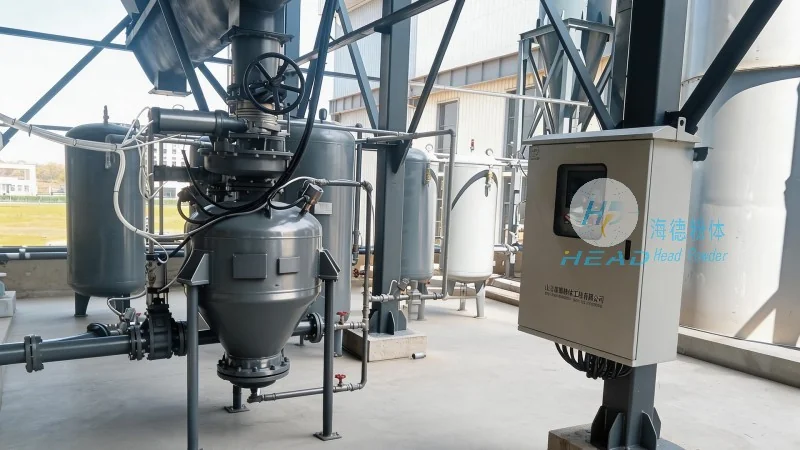
2. Pneumatic Conveying Systems for GGBS Transport
Pneumatic conveying uses air or gas to transport GGBS particles through a pipeline. This method is ideal for applications requiring long-distance or high-velocity transport, as it can move materials over several hundred meters with minimal equipment. The main advantage of pneumatic systems is their ability to handle fine powders without the need for mechanical components that might cause particle attrition. They also offer better containment of dust, reducing environmental and health risks. However, pneumatic conveying can be energy-intensive, especially for high-volume or long-distance transport. The system requires careful design to prevent pressure drops and ensure consistent air flow, which can be challenging with highly abrasive GGBS particles. Moreover, the cost of compressed air and maintenance of air filters can add to operational expenses.
3. Belt Conveyors for Bulk GGBS Movement
Belt conveyors are commonly used for bulk handling of GGBS, especially in large-scale production facilities. These systems utilize a continuous belt that moves material along a path, often supported by rollers. The primary advantage of belt conveyors is their high capacity and ability to transport large volumes of material over long distances. They are particularly effective for horizontal or slightly inclined transport, making them suitable for moving GGBS from storage to processing areas. However, belt conveyors may experience issues with fine GGBS powders, as they can cause dust accumulation on the belt surface, leading to reduced efficiency and potential safety hazards. Additionally, the maintenance of belts and pulleys is necessary to prevent wear and tear, which can increase long-term costs.
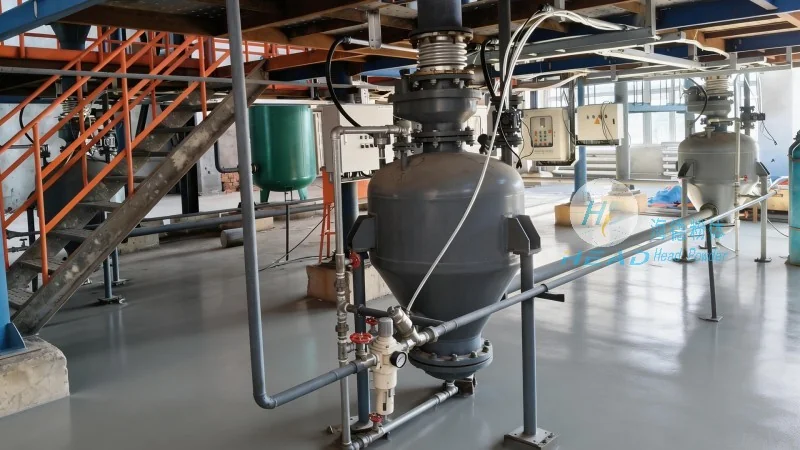
4. Bucket Elevators for Vertical GGBS Transport
Bucket elevators are specialized equipment designed for vertical transport of GGBS, often used in applications where material needs to be lifted to significant heights. These systems consist of a series of buckets attached to a chain or belt, which moves material upward in a vertical shaft. The main advantage of bucket elevators is their high vertical lifting capacity and ability to handle large volumes of material efficiently. They are particularly effective for transporting GGBS from silos or storage bins to upper levels of a facility. However, bucket elevators have limitations when dealing with very fine or cohesive GGBS powders, as they may experience clogging in the buckets or chain. The system also requires regular maintenance to ensure smooth operation and prevent mechanical failures, which can impact production continuity.
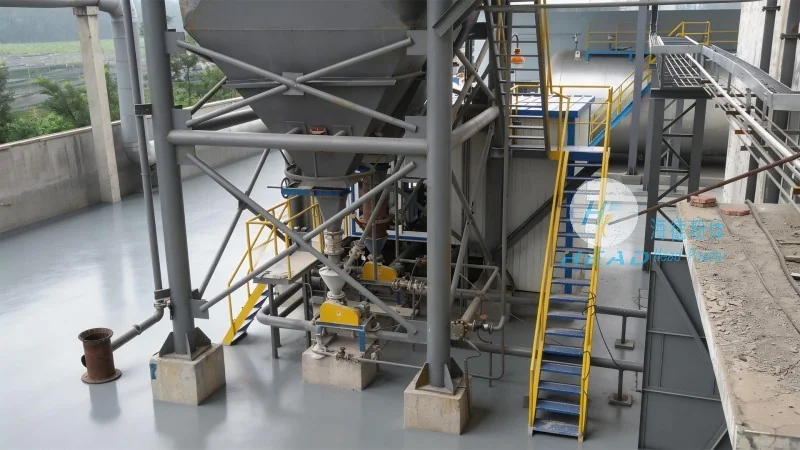
5. Comparison and Selection Criteria
When choosing a conveying method for GGBS, several factors must be considered to ensure optimal performance. The first is the material's characteristics, such as particle size, density, and cohesive properties. For example, screw conveyors may be suitable for coarse GGBS, while pneumatic systems are better for fine powders. The second factor is the distance and direction of transport—vertical or horizontal, short or long distances. The third is operational costs, including energy consumption, maintenance, and initial investment. The fourth is safety considerations, such as dust control and equipment reliability. By evaluating these factors, industrial operators can select the most appropriate conveying method for their specific GGBS handling needs.
Conclusion
Each conveying method for GGBS has its own set of advantages and disadvantages, and the best choice depends on the specific application and operational requirements. Screw conveyors offer simplicity and adaptability but may struggle with fine powders. Pneumatic systems provide efficient long-distance transport but are energy-intensive. Belt conveyors excel in bulk handling but require careful dust management. Bucket elevators are ideal for vertical transport but need regular maintenance. Understanding these trade-offs is essential for optimizing GGBS handling processes and ensuring consistent product quality. As a leading provider of GGBS solutions, Shandong HeadPowder Engineering Co., Ltd. offers expertise and equipment tailored to meet the diverse needs of industrial clients, helping them achieve efficient and reliable material transport in their operations.




