In the realm of battery manufacturing, particularly for aluminum-based batteries, the role of material handling systems cannot be overstated. These systems are responsible for the efficient movement, storage, and processing of raw materials and intermediate products throughout the production cycle. Understanding what an aluminum battery material handling system entails, along with its design principles, is crucial for industries aiming to enhance productivity and maintain quality standards.
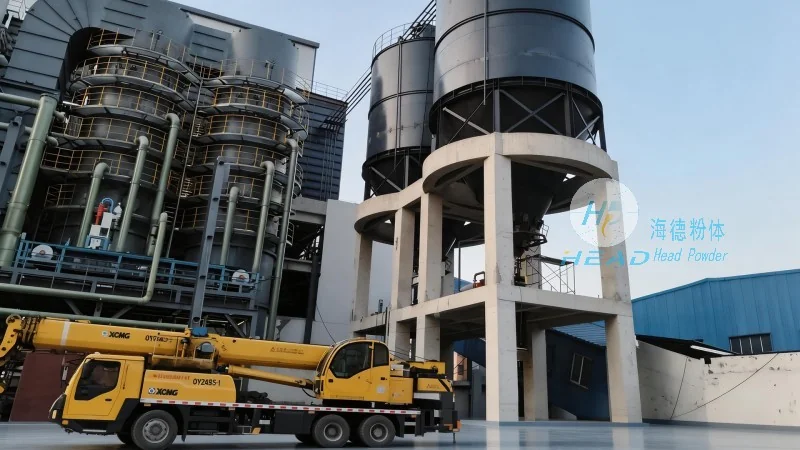
About HeadPowder: Your Trusted Partner in Material Handling Solutions
HeadPowder, formally known as Shandong HeadPowder Engineering Co., Ltd., is a prominent engineering company headquartered in Shandong, China. With a strong focus on innovation and precision engineering, HeadPowder specializes in the design, development, and manufacturing of advanced material handling systems. The company’s expertise lies in tailoring solutions to meet the specific requirements of the battery industry, ensuring that each system is optimized for performance, reliability, and cost-effectiveness.
Core Components and Functions of the System
An aluminum battery material handling system typically comprises several key components, each playing a vital role in the overall operation. These include conveyor systems for transporting materials, storage solutions such as silos or hoppers for raw material management, and automated sorting or processing units for intermediate products. The integration of these components is designed to create a seamless workflow, minimizing downtime and maximizing operational efficiency. For instance, conveyor belts may be equipped with sensors to detect material levels or blockages, triggering automated responses to maintain continuous operation.
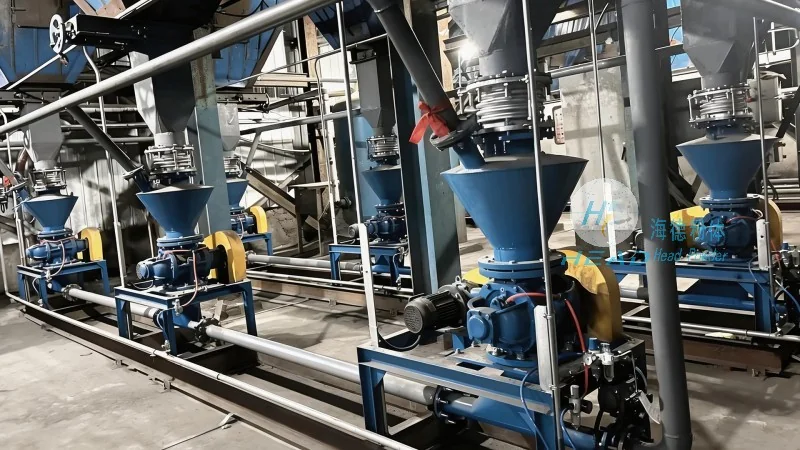
Design Principles Underpinning the System
The design principles of an aluminum battery material handling system are rooted in several critical factors. First, the system must prioritize material integrity, ensuring that aluminum powders or other components are not damaged or contaminated during transport. This often involves the use of specialized materials for conveyor belts and containers, as well as gentle handling mechanisms to prevent particle degradation. Second, the design emphasizes energy efficiency and cost-effectiveness, with features like variable speed drives and optimized material flow paths reducing operational costs over time. Third, the system is built for scalability and adaptability, allowing for future expansions or modifications as production needs evolve. These principles collectively ensure that the system not only meets current manufacturing requirements but also remains viable for future growth.
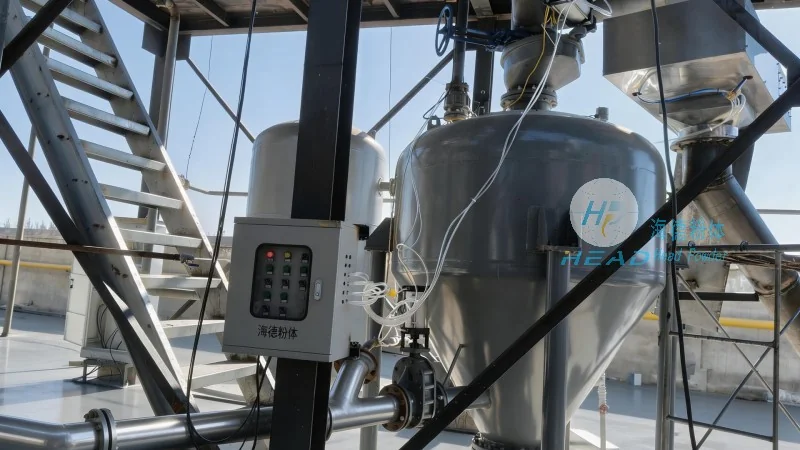
Application in Aluminum Battery Production
The aluminum battery material handling system is integral to the entire production process, from raw material intake to final product packaging. In the initial stages, raw aluminum powders or other materials are received and stored in bulk containers. The system then facilitates the transfer of these materials to processing units, where they are mixed or treated as per the battery manufacturing specifications. Throughout this process, the system ensures that materials are handled consistently, reducing the risk of human error and maintaining uniform product quality. As the production progresses, the system may also handle finished battery components, such as cells or modules, for packaging and distribution. The efficiency of the material handling system directly impacts the overall throughput of the production line, making it a critical investment for manufacturers.
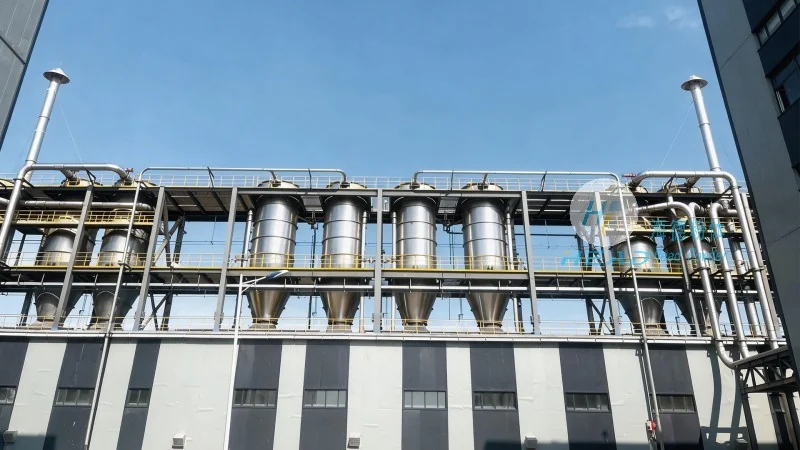
Advantages of Implementing Such a System
Adopting an aluminum battery material handling system offers numerous advantages for battery manufacturers. Primarily, it enhances operational efficiency by streamlining material flow and reducing manual labor. This leads to faster production cycles and lower labor costs. Additionally, the system improves product quality by minimizing material handling errors and contamination risks. This is particularly important in the battery industry, where even minor impurities can affect battery performance and lifespan. Furthermore, the automated nature of the system reduces the likelihood of workplace accidents, contributing to a safer working environment. Finally, the scalability of these systems allows manufacturers to adapt to increasing production demands without significant infrastructure changes, providing long-term value.
Conclusion
In conclusion, an aluminum battery material handling system is a sophisticated solution designed to optimize material flow in aluminum battery production. Its design principles, which prioritize efficiency, material integrity, and adaptability, are crucial for meeting the demands of modern manufacturing. HeadPowder, with its expertise and commitment to quality, provides reliable solutions that help manufacturers enhance productivity and maintain high standards in their operations. As the battery industry continues to evolve, such systems will remain essential for staying competitive and ensuring sustainable growth.




