Denitrator material handling systems are critical components in industrial processes, particularly in facilities that utilize denitrification technologies to reduce nitrogen oxide emissions. These systems are engineered to efficiently transport denitrator materials, such as urea or other reducing agents, to the point of application within the system. The design of these systems is tailored to meet the specific requirements of the industrial application, ensuring optimal performance, safety, and reliability.
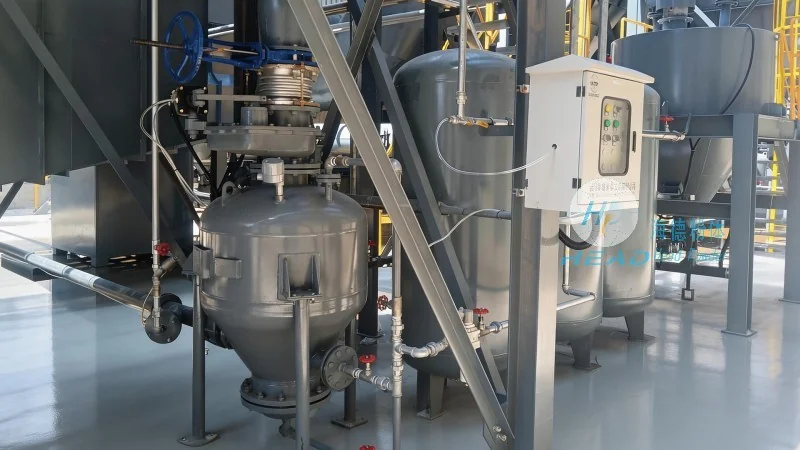
Introduction to Denitrator Material Handling Systems
Denitrator material handling systems are specialized equipment designed to transport denitrator materials, typically urea, from storage to the injection point in flue gas treatment systems. These systems are integral to the overall denitrification process, as the efficient delivery of the reducing agent directly impacts the effectiveness of nitrogen oxide reduction. The systems are engineered to handle the unique properties of denitrator materials, including their granular or liquid form, and to ensure consistent flow rates and accurate dosing. By integrating advanced control systems and robust material handling components, these systems provide reliable operation in demanding industrial environments.
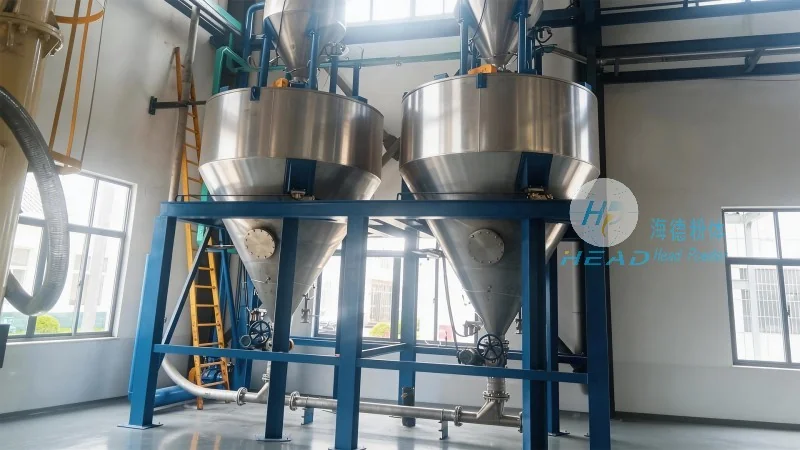
Key Components of a Denitrator Material Handling System
The denitrator material handling system typically consists of several key components that work in concert to ensure efficient material transport. These components include storage silos or tanks for the denitrator material, conveying equipment such as screw conveyors or pneumatic systems, feeding mechanisms to control the flow rate, and injection equipment to deliver the material to the flue gas stream. Each component is designed to handle the specific characteristics of the denitrator material, such as its density, flowability, and potential for caking or agglomeration. The storage silos are often equipped with agitators or air cannons to prevent material bridging or buildup, ensuring consistent material flow. The conveying equipment is selected based on the material's properties and the required distance and elevation changes. The feeding mechanisms, such as rotary valves or metering pumps, are calibrated to provide precise dosing, which is crucial for maintaining the desired nitrogen oxide reduction efficiency. The injection equipment, such as spray nozzles or atomizers, ensures that the denitrator material is properly mixed with the flue gas, maximizing the contact time and reaction efficiency.
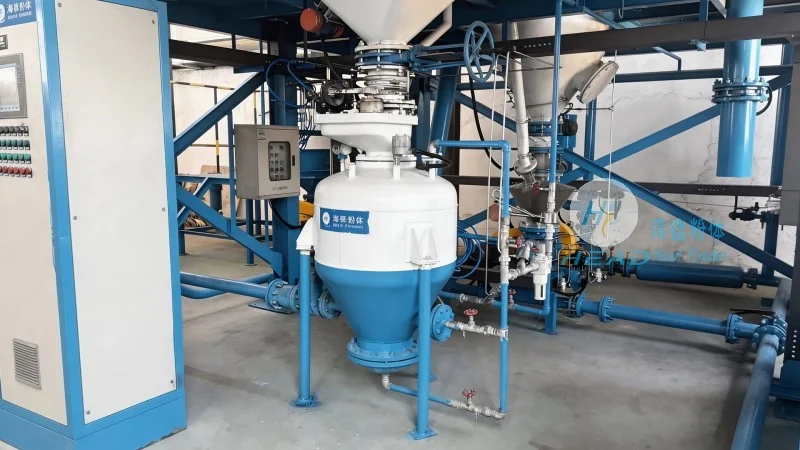
Design Principles for Efficient Material Handling
The design of a denitrator material handling system is guided by several key principles to ensure optimal performance and reliability. One of the primary principles is the minimization of material degradation or loss during transport. This is achieved through the use of appropriate materials for the construction of the system components, such as stainless steel or corrosion-resistant alloys, to prevent material contamination or wear. The system is also designed to minimize pressure drops and energy consumption, which is critical for cost-effective operation. The design incorporates features such as smooth surfaces, minimal bends, and appropriate slope angles to ensure that the material flows freely without excessive friction or blockages. Additionally, the system is equipped with monitoring and control systems that allow for real-time adjustment of the flow rate and pressure, ensuring that the denitrator material is delivered at the correct rate and under the optimal conditions. The design also considers the safety aspects, including explosion-proof components and emergency shutdown systems, to protect personnel and equipment from potential hazards associated with the handling of denitrator materials.
Applications and Benefits of Denitrator Material Handling Systems
Denitrator material handling systems are widely used in various industrial sectors, including power generation, petrochemical, and industrial boilers, where nitrogen oxide emissions need to be controlled. The systems are designed to handle different types of denitrator materials, such as urea, ammonia, or other reducing agents, depending on the specific requirements of the application. The primary benefit of these systems is the ability to achieve high levels of nitrogen oxide reduction while maintaining operational efficiency and cost-effectiveness. By ensuring consistent and accurate dosing of the denitrator material, the systems help to maintain the optimal operating conditions of the denitrification process, reducing the need for frequent adjustments or maintenance. The robust design of the systems also ensures long-term reliability, minimizing downtime and maintenance costs. Furthermore, the systems are designed to be flexible and adaptable, allowing for easy integration with existing industrial processes and future expansion or upgrades.
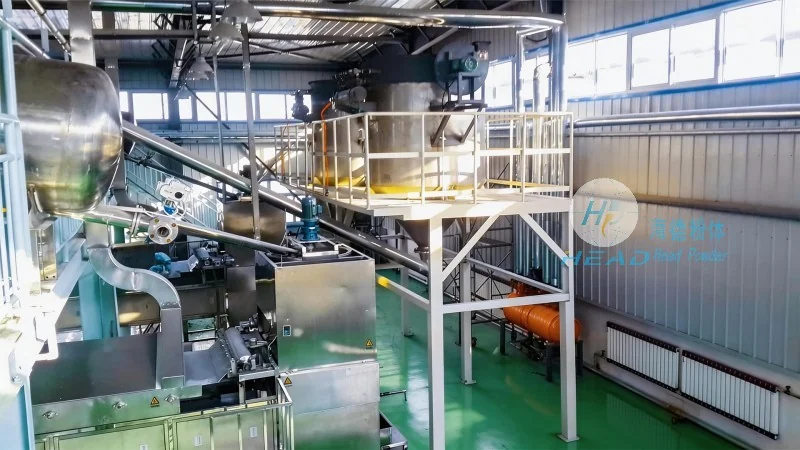
Conclusion and Company Overview
Denitrator material handling systems are essential for the effective operation of denitrification processes, providing reliable and efficient transport of denitrator materials to the point of application. The design principles and components of these systems are tailored to meet the specific requirements of industrial applications, ensuring optimal performance, safety, and cost-effectiveness. Shandong HeadPowder Engineering Co., Ltd., a leading provider of denitrator material handling systems, specializes in designing and manufacturing high-quality systems that meet the stringent requirements of industrial clients. With a focus on innovation, quality, and customer satisfaction, the company has established itself as a trusted partner in the industry, providing solutions that help clients achieve their environmental and operational goals. The company's systems are designed to be robust, reliable, and adaptable, ensuring long-term performance and minimal maintenance. By leveraging advanced engineering and manufacturing techniques, Shandong HeadPowder Engineering Co., Ltd. continues to provide cutting-edge solutions for denitrator material handling, contributing to the reduction of nitrogen oxide emissions and the protection of the environment.




