Lithium manganese oxide (LMO) is a critical component in modern battery technology, widely used in electric vehicles, portable electronics, and renewable energy storage systems. The efficient and reliable transportation of LMO materials throughout the production process is essential for maintaining high-quality battery cells and optimizing manufacturing efficiency. A specialized material handling system designed for LMO is therefore a key element in the battery manufacturing industry, ensuring that raw materials are handled safely and effectively from receipt to processing and packaging.
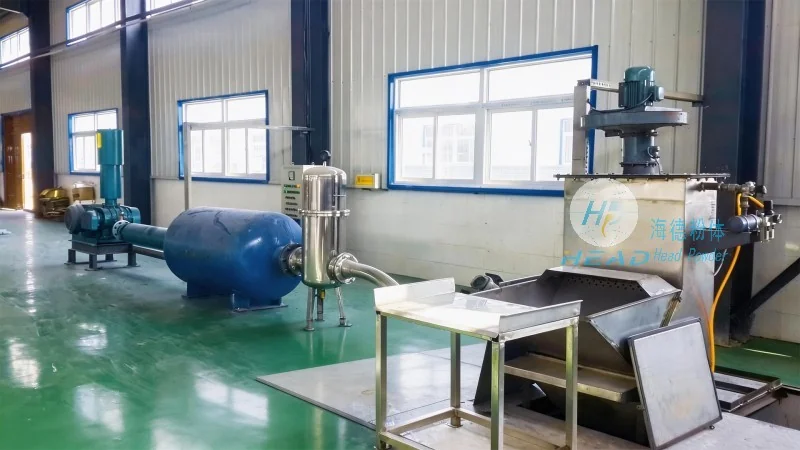
Core Components and Design Principles of the Material Handling System
The design of a lithium manganese oxide material handling system is built on several fundamental principles to address the unique properties of LMO powders. These include ensuring minimal dust generation, preventing contamination, and maintaining consistent material flow. The system typically incorporates advanced engineering solutions such as enclosed conveyor systems, vacuum or pneumatic transport mechanisms, and specialized storage silos. Each component is selected to minimize particle degradation and ensure that the material remains in its optimal state for subsequent processing steps. For instance, the use of stainless steel or food-grade materials in contact surfaces helps to prevent chemical reactions that could alter the LMO's performance characteristics.
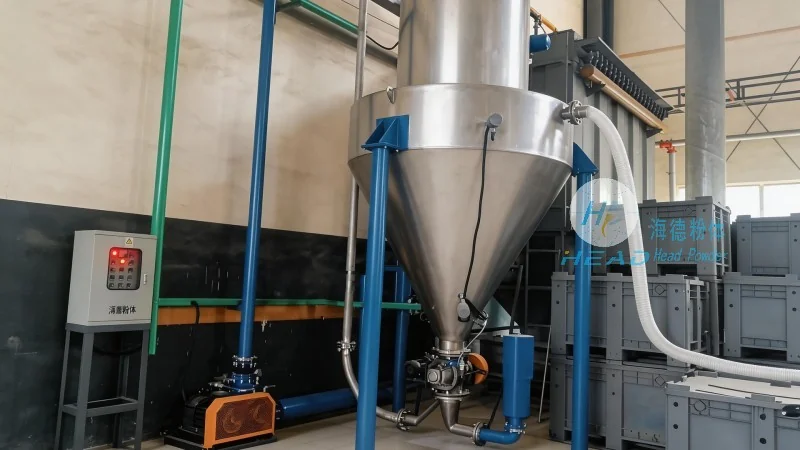
Key Features and Functional Aspects
One of the primary features of a well-designed LMO material handling system is its ability to handle the material in a dust-free environment. This is achieved through the integration of dust collection systems and sealed transfer points, which capture and filter any airborne particles. The system also includes automated controls that monitor material levels, flow rates, and operational status, providing real-time data to operators. This automation not only enhances safety but also improves overall process control, reducing the risk of human error and ensuring consistent product quality. Additionally, the system is engineered for scalability, allowing it to adapt to changes in production volume or material specifications without significant modifications.
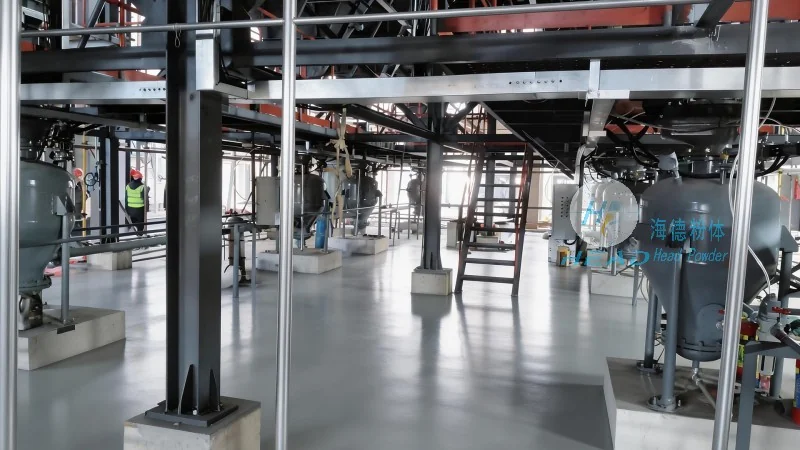
Application in Battery Manufacturing Processes
The lithium manganese oxide material handling system plays a crucial role in the battery manufacturing workflow. From the initial receipt of raw LMO powders to their integration into the electrode production stage, the system ensures that materials are transported in a controlled manner. The enclosed conveyor belts and transfer mechanisms prevent cross-contamination with other materials, which is vital for maintaining the purity of the LMO. During the mixing and blending phases, the system's precise control over material flow allows for consistent composition of the electrode slurry, directly impacting the final battery performance. Furthermore, the system's design facilitates easy integration with other production equipment, such as mixing tanks and extrusion lines, creating a seamless production line that enhances overall efficiency.
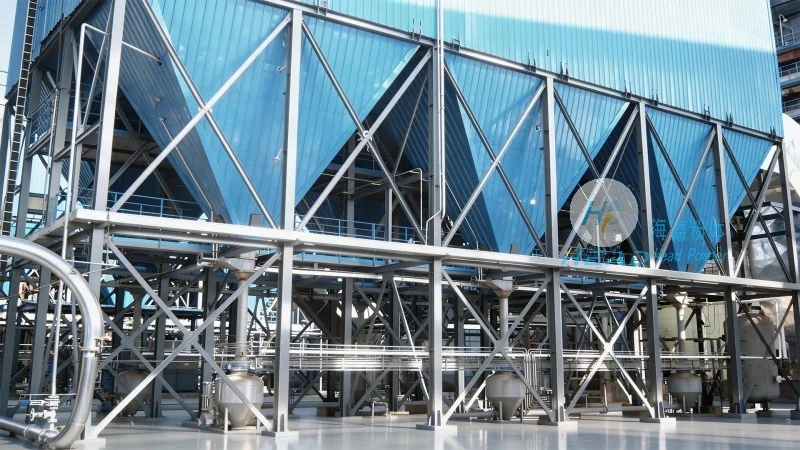
Company Overview: Shandong HeadPowder Engineering Co., Ltd.
Shandong HeadPowder Engineering Co., Ltd., commonly known as HeadPowder, is a leading provider of specialized material handling solutions tailored for the battery and chemical industries. With a focus on innovation and customer-centric design, HeadPowder has developed advanced systems that address the unique challenges of handling materials like lithium manganese oxide. The company's engineering team leverages extensive experience in powder processing and material science to design systems that meet the highest standards of safety, efficiency, and reliability. HeadPowder's facilities are located in Shandong, China, where the company operates a state-of-the-art research and development center dedicated to improving material handling technologies. The company's commitment to quality and customer satisfaction has established it as a trusted partner for manufacturers seeking to optimize their production processes.




