For those in the animal feed or pharmaceutical industries, understanding the technology behind material handling systems is crucial. A Lysine material handling conveyor is a specialized piece of equipment designed to transport Lysine, a critical amino acid used in animal feed formulations and pharmaceutical applications. This system is engineered to ensure efficient, safe, and reliable movement of Lysine from storage to processing or packaging stages. The design principles of such a conveyor are tailored to meet the specific demands of Lysine handling, which includes considerations for its chemical properties, handling requirements, and the need for high-purity standards.
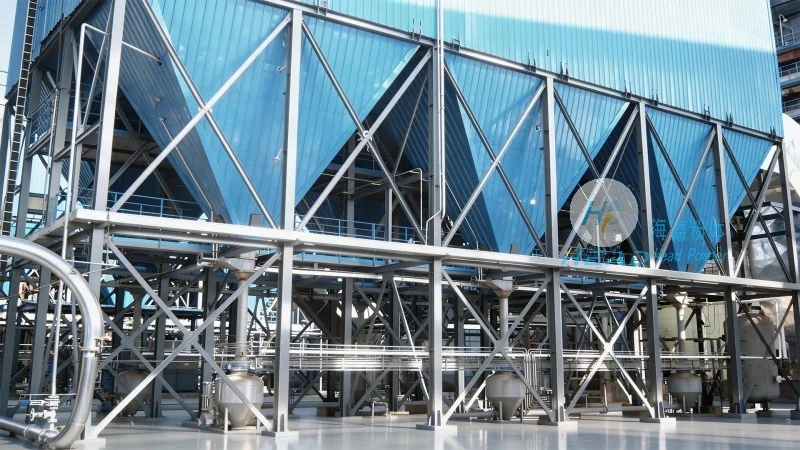
Understanding Lysine Material Handling Conveyors
Lysine is an essential amino acid that plays a vital role in protein synthesis, making it a key component in animal feed, particularly for poultry and swine. Due to its importance, the handling of Lysine requires specialized equipment to maintain its purity and prevent contamination. A Lysine material handling conveyor is specifically designed to address these challenges, ensuring that the material is transported without degradation or loss of quality. The system typically integrates features such as sealed containers, gentle handling mechanisms, and precise control systems to protect the product throughout the process.
Key Design Principles of Lysine Material Handling Conveyors
The design of a Lysine material handling conveyor is guided by several critical principles aimed at optimizing performance and maintaining product integrity. First, the system must ensure minimal exposure to air and moisture, as Lysine is hygroscopic and can degrade when exposed to moisture. This is achieved through the use of airtight and sealed conveying components, such as enclosed screw conveyors or pneumatic systems with moisture-resistant materials. Second, the conveyor must provide gentle handling to prevent the breakdown of Lysine crystals or agglomerates, which could affect the material's flow properties and end-use performance. This is often accomplished through the use of low-speed, smooth surfaces and minimal impact points in the conveying path.
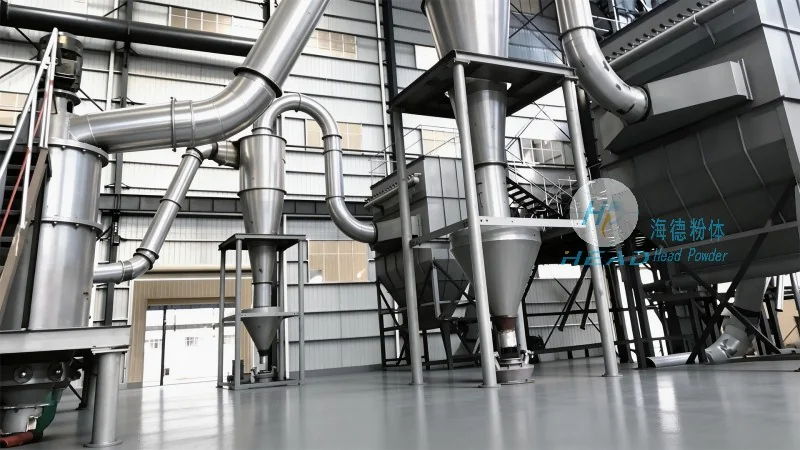
Third, the design must incorporate precise control mechanisms to regulate the flow rate and pressure within the system. This is essential for maintaining consistent product quality and preventing overloading or underloading of the conveyor. Advanced control systems, including sensors and variable speed drives, are commonly used to monitor and adjust the conveying process in real-time. Additionally, the system must be constructed from materials that are compatible with Lysine, such as stainless steel or food-grade plastics, to prevent chemical reactions or contamination.
Components and Features of a Lysine Material Handling Conveyor
A Lysine material handling conveyor typically consists of several key components that work together to achieve efficient material transport. The primary components include a hopper for material storage, a conveying mechanism (such as a screw or belt conveyor), and a discharge system for delivering the material to the next stage of processing. The hopper is designed with a sloped bottom to facilitate smooth material flow and prevent clogging. The conveying mechanism is engineered to handle the specific bulk density and flow characteristics of Lysine, ensuring consistent and reliable transport. The discharge system may include a rotary valve or a gate valve to control the release of material to downstream equipment.
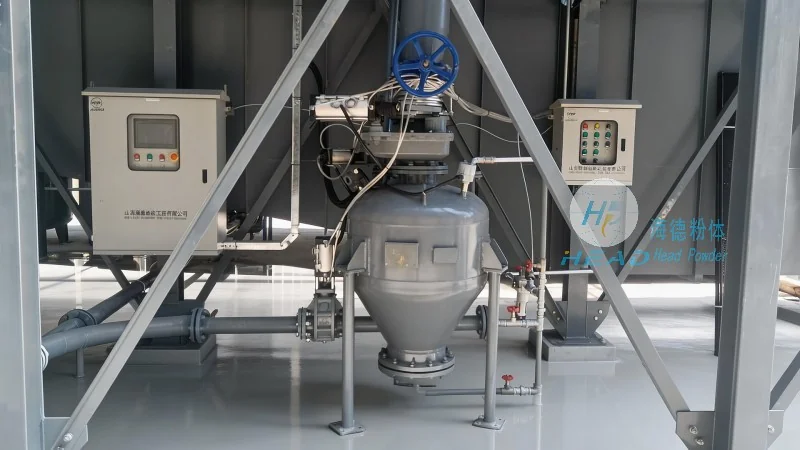
Additional features often included in Lysine material handling conveyors are cleaning and maintenance systems. These are critical for maintaining the high-purity standards required for Lysine products. The system may include removable components that can be easily cleaned and sanitized to prevent cross-contamination. Some designs also incorporate dust collection systems to minimize airborne Lysine particles, which is important for both safety and product quality. Furthermore, the conveyor may be equipped with monitoring and alarm systems to detect any issues, such as blockages or overfilling, and alert operators in real-time.
Applications and Benefits of Lysine Material Handling Conveyors
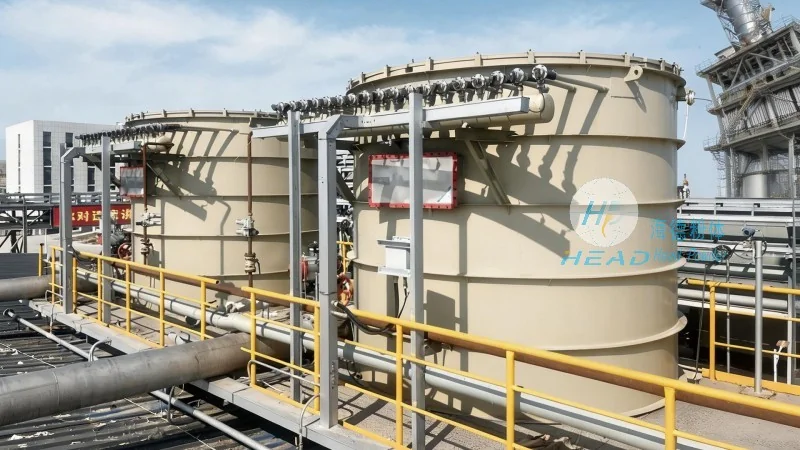
Lysine material handling conveyors are widely used in the production of animal feed and pharmaceutical products. In animal feed manufacturing, these systems are used to transport Lysine from storage silos to mixing and blending equipment, ensuring that the correct dosage is added to feed formulations. In pharmaceutical applications, the conveyor may be used to transport Lysine to packaging lines or to other processing units, where it is further processed into finished products. The benefits of using a specialized Lysine material handling conveyor include improved efficiency, reduced product loss, and enhanced safety. By maintaining the purity and quality of Lysine throughout the handling process, these systems help to ensure that the final product meets the stringent standards required by the industry.
Conclusion
In summary, a Lysine material handling conveyor is a critical piece of equipment in industries that rely on Lysine as a key ingredient. The design principles behind such a system are focused on maintaining product purity, ensuring gentle handling, and providing precise control over the conveying process. By incorporating specialized components and features, these conveyors help to optimize material flow, reduce downtime, and enhance overall operational efficiency. For companies in the animal feed or pharmaceutical sectors, investing in a well-designed Lysine material handling conveyor is essential for meeting production demands while upholding the high standards of product quality.




