Understanding the corn kernels material conveying line is essential for those involved in the agricultural processing industry. This system is specifically engineered by Shandong HeadPowder Engineering Co., Ltd. to handle the transportation of corn kernels from one processing stage to another with efficiency and precision. The design principles behind such a line are crucial for ensuring optimal performance, minimal material loss, and compliance with industry standards.
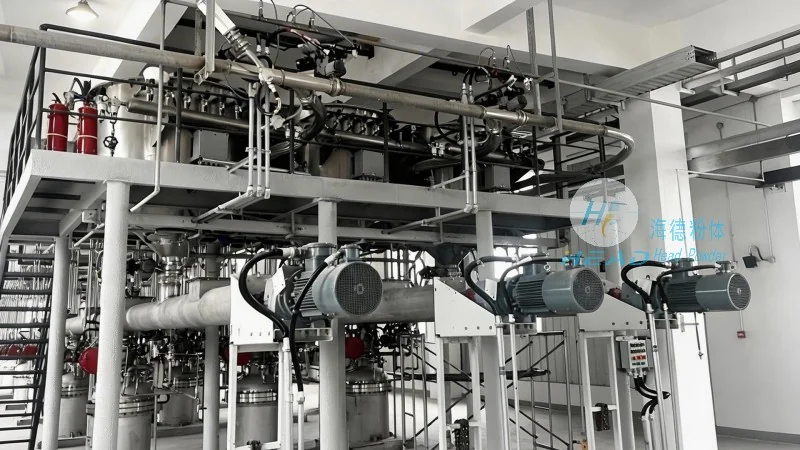
Definition and Purpose of a Corn Kernels Material Conveying Line
A corn kernels material conveying line is a specialized industrial system designed to transport corn kernels through various processing stages. These stages may include cleaning, drying, grinding, or packaging. The primary purpose of this line is to ensure a continuous and smooth flow of material, reducing the need for manual handling and increasing overall operational efficiency. The system typically integrates multiple components such as hoppers, conveyors, and control mechanisms to achieve this seamless transfer.
Key Design Principles for an Efficient Conveying Line
The design of a corn kernels material conveying line is based on several critical principles that ensure its effectiveness. First, the system must be capable of handling the specific physical properties of corn kernels, including their size, shape, and moisture content. This involves selecting appropriate conveyor types, such as belt conveyors or screw conveyors, that can accommodate the material's characteristics without causing damage or degradation. Second, the design emphasizes energy efficiency and cost-effectiveness. Engineers aim to minimize power consumption while maximizing throughput, which is vital for maintaining profitability in agricultural processing operations.
Third, the conveying line must prioritize material handling safety and hygiene. Given that corn kernels are often used in food production, the system must be constructed from materials that are non-toxic, easy to clean, and resistant to corrosion. Additionally, the design incorporates features like dust collection and air filtration to maintain a clean working environment and prevent contamination. Fourth, the system is designed for scalability and adaptability. As processing needs change, the conveying line can be modified or expanded to accommodate increased production volumes or different product types, ensuring long-term operational flexibility.
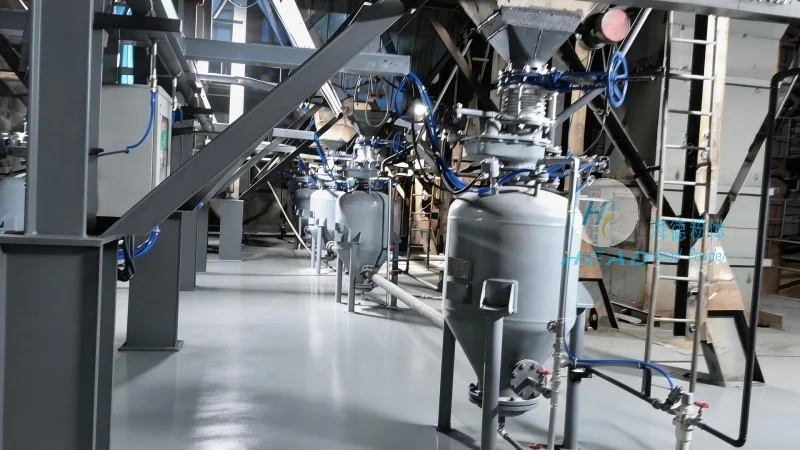
Components and Functionality of the Conveying Line
The corn kernels material conveying line consists of several interconnected components, each playing a vital role in the overall process. The primary components include hoppers, which serve as storage bins for the corn kernels, ensuring a steady supply to the conveyor system. Hoppers are typically equipped with level sensors to monitor the material level and trigger feeding mechanisms when necessary. The conveyor itself is the core of the system, responsible for moving the kernels from one location to another. Common types of conveyors used in this application include belt conveyors, which are ideal for transporting large quantities of material over short to medium distances, and screw conveyors, which are suitable for vertical or inclined transport and can handle bulk materials effectively.
Control systems are another essential component, managing the operation of the entire line. These systems use sensors and automation technology to regulate the speed of the conveyor, control the flow of material, and monitor system performance. This automation ensures that the conveying process is consistent and reliable, reducing the risk of bottlenecks or material jams. Additionally, the line may include accessories such as chutes, dividers, and feeders to direct the material along the desired path and ensure uniform distribution. These components work together to create a cohesive system that meets the specific requirements of corn kernel processing.
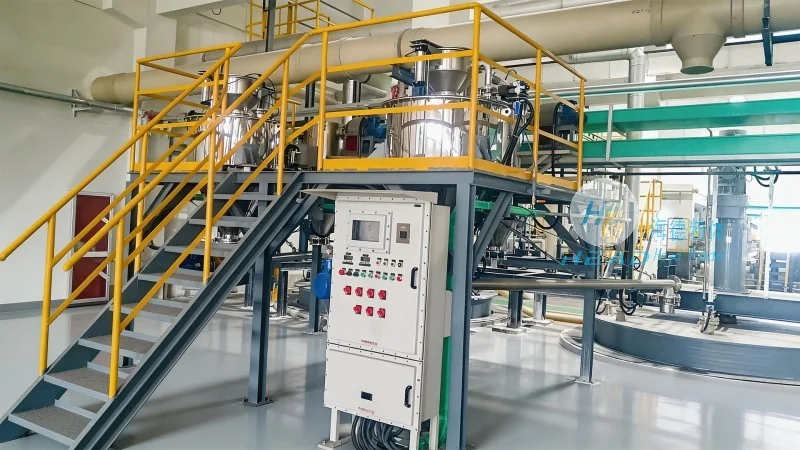
Benefits of Implementing a Corn Kernels Material Conveying Line
Adopting a corn kernels material conveying line offers numerous benefits for agricultural processing facilities. One of the most significant advantages is the improvement in operational efficiency. By automating the material handling process, the line reduces labor costs and minimizes the time required for each processing stage. This leads to higher throughput and increased productivity, allowing businesses to meet market demands more effectively. Another key benefit is the reduction in material loss and damage. Manual handling of corn kernels can result in breakage or contamination, but an automated conveying line minimizes these risks, preserving the quality of the final product.
Furthermore, the system enhances workplace safety by eliminating the need for manual lifting and moving of heavy loads. This reduces the risk of workplace injuries and creates a safer working environment. The design also focuses on hygiene, which is critical in food processing industries. The materials used in the construction of the conveying line are easy to clean and maintain, ensuring compliance with food safety regulations. This helps businesses maintain their reputation and meet customer expectations for high-quality products.
Conclusion
In conclusion, a corn kernels material conveying line is a sophisticated industrial system designed to efficiently transport corn kernels through various processing stages. The design principles, including material handling efficiency, energy conservation, safety, and adaptability, are crucial for its success. By integrating components such as hoppers, conveyors, and control systems, the line ensures a smooth and continuous flow of material, leading to improved operational efficiency, reduced costs, and enhanced product quality. For businesses in the agricultural processing industry, investing in such a system is a strategic move that can significantly enhance their competitiveness and sustainability.




