When it comes to the efficient and safe transportation of potassium chloride (KCl), specialized material handling systems are essential. A potassium chloride material handling conveyor is a critical piece of industrial equipment designed to move this chemical compound through various stages of processing, storage, and distribution. Understanding its design principles is key to optimizing operations in industries such as chemical manufacturing, mining, and agriculture. Developed by Shandong HeadPowder Engineering Co., Ltd., a leading manufacturer in the field, these conveyors are engineered to meet the unique demands of handling potassium chloride.
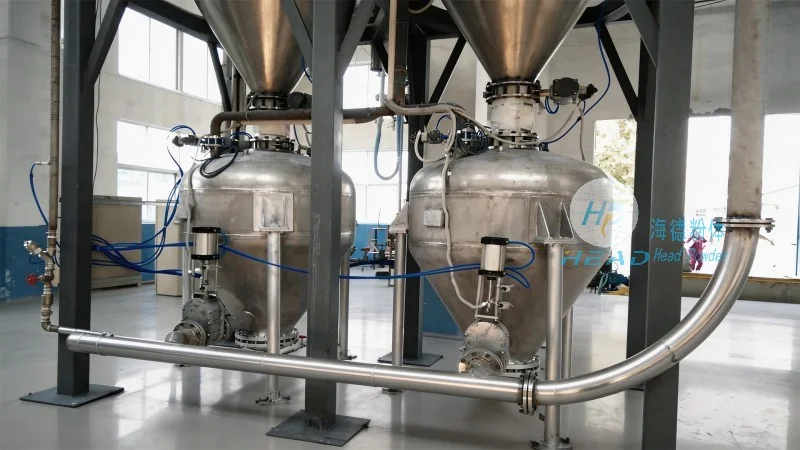
Introduction to Potassium Chloride Material Handling Conveyors
Potassium chloride is a widely used inorganic salt, commonly found in fertilizers, pharmaceuticals, and food products. Its handling requires careful consideration due to its granular or crystalline form, which can pose challenges in terms of flow, dust control, and material integrity. A dedicated conveyor system addresses these challenges by providing a reliable method to transport KCl from one point to another within a facility. The design of such a conveyor is tailored to the specific properties of potassium chloride, ensuring efficient operation and minimal risk of material degradation or environmental contamination.
Key Design Principles for Potassium Chloride Conveyors
The design of a potassium chloride material handling conveyor involves several critical principles aimed at optimizing performance, safety, and longevity. These principles include material selection, structural design, drive mechanisms, and control systems. Each component is chosen to withstand the unique characteristics of potassium chloride, such as its abrasive nature and potential for static buildup.
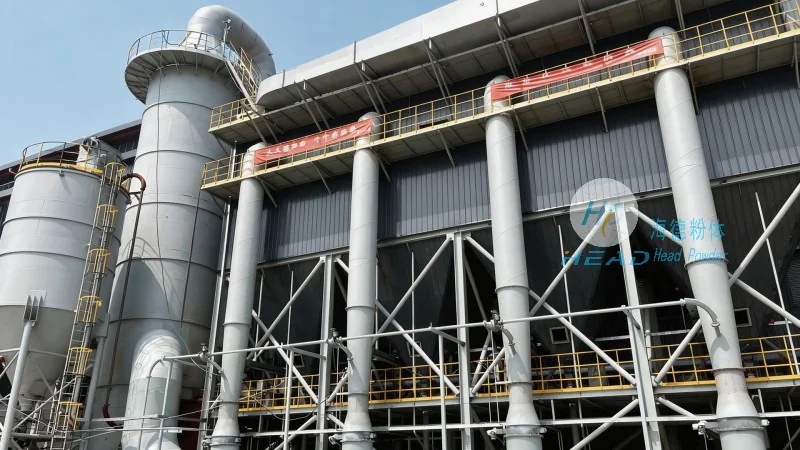
Firstly, the material of construction is a crucial factor. Components in contact with potassium chloride, such as conveyor belts, idlers, and frames, are typically made from materials resistant to chemical corrosion and abrasion. Common choices include stainless steel, polyethylene, or specialized rubber compounds that can handle the granular or crystalline form of KCl without degradation. This ensures that the conveyor maintains its structural integrity over time, even with continuous exposure to the material.
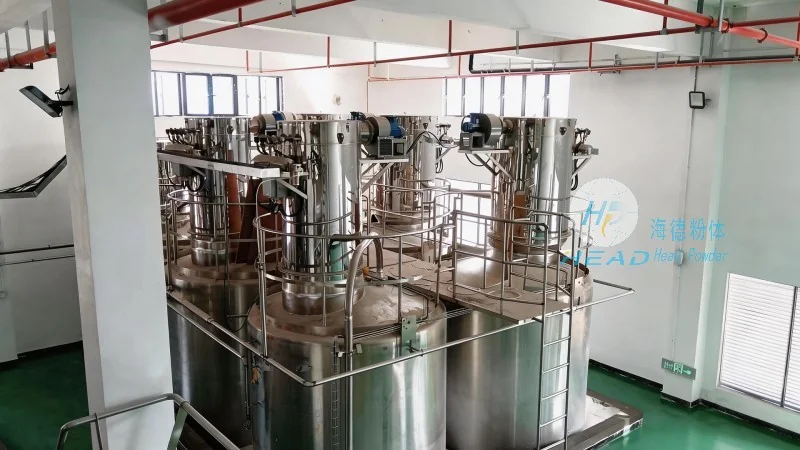
Secondly, the structural design of the conveyor system is engineered to accommodate the flow characteristics of potassium chloride. The conveyor may feature sloped or inclined sections to facilitate the natural flow of the material, reducing the need for excessive mechanical force. The use of smooth, non-stick surfaces on the conveyor belt or trough helps prevent material buildup and ensures consistent movement. Additionally, the design may include features like vibration or agitation mechanisms to break up clumps or prevent material bridging, which can occur with certain types of KCl.
Thirdly, the drive system is designed to provide consistent and controlled movement of the material. Motorized drives, such as chain drives or gear motors, are commonly used to ensure the conveyor operates at a steady speed, minimizing variations in material flow. The speed of the conveyor is typically adjustable to match the processing requirements of the facility, allowing for flexibility in handling different batch sizes or production rates.




